
Gender
Auditor-General Unveils Gender-Responsive Audit Framework to Boost Accountability, Inclusion

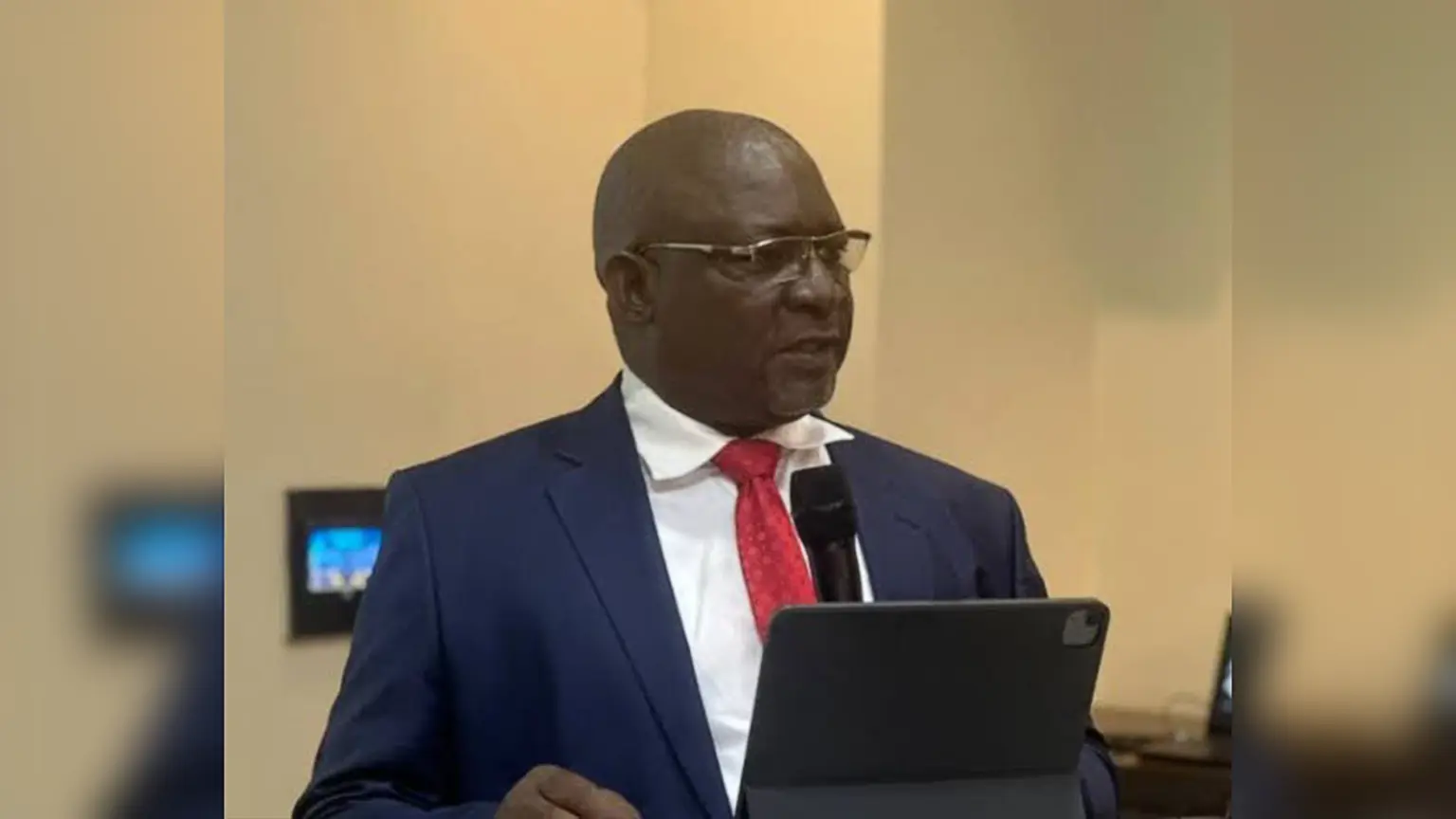
The Auditor-General for the Federation (OAGF), Shaaka Chira, has unveiled a Gender-Responsive Audit Framework aimed at strengthening public sector auditing and ensuring government programmes and expenditures promote gender equity, social inclusion and improved development outcomes.
Chira launched the framework in Abuja during the Women in Public Sector Audit (WIPSA) Leadership Dialogue organised by the Paradigm Leadership Support Initiative (PLSI) in partnership with the Society of Women Accountants of Nigeria (SWAN) and the International Budget Partnership (IBP).
He described the framework as a strategic tool that will enable auditors to assess whether public policies, programmes and spending are implemented equitably to meet the needs of women, men, girls, boys and other vulnerable groups.
According to him, gender-responsive auditing is not a separate category of audit but a cross-cutting approach that can be integrated into existing audit processes, particularly performance audits.
The Auditor-General commended PLSI for developing the framework, noting that it underwent a collaborative technical review and aligns with internationally recognised public sector auditing standards and best practices.
He said the framework would serve as a practical guide for subnational audit institutions, helping them incorporate gender considerations into their work while maintaining the principles of independence, objectivity, professional judgment and evidence-based reporting.
Chira also urged state audit institutions to complement the framework with existing International Standards of Supreme Audit Institutions (ISSAI) guidance and the Office of the Auditor-General for the Federation’s Performance Audit Manual to enhance audit quality.
Speaking at the event, Executive Director of PLSI, Segun Elemo, said the initiative was informed by findings from the organisation’s 2025 Subnational Audit Efficacy (SAE) Index.
According to him, the report revealed that only three of Nigeria’s 36 State Audit Institutions are headed by women, while just five Local Government Audit Institutions have female leaders. He added that none of the country’s 36 states conducted a Gender-Responsive Audit during the 2024 financial year.
Elemo said the findings highlight the underrepresentation of women in public audit leadership and expose gaps in evaluating whether public spending targeted at women, girls and vulnerable groups delivers inclusive and equitable outcomes.
He explained that the Gender-Responsive Audit Framework is designed as a practical implementation guide to support auditors in integrating gender and inclusion considerations throughout audit planning, execution, reporting and follow-up.
“It is not intended to replace existing constitutional provisions, audit laws, ISSAI standards or institutional methodologies but to complement them with practical tools, indicators and methodologies for assessing equitable outcomes,” he said.
Also speaking, the Executive Director of the Policy Innovation Centre (PIC), Dr. Osasuyi Dirisu, stressed that inclusive governance requires inclusive accountability systems.
He argued that public sector auditing should go beyond verifying financial compliance to assessing whether government investments are delivering meaningful and equitable benefits to citizens across different social groups.