
General News
INEC Warns Editors: AI Deepfakes, Unverified Results Threaten 2027 Elections

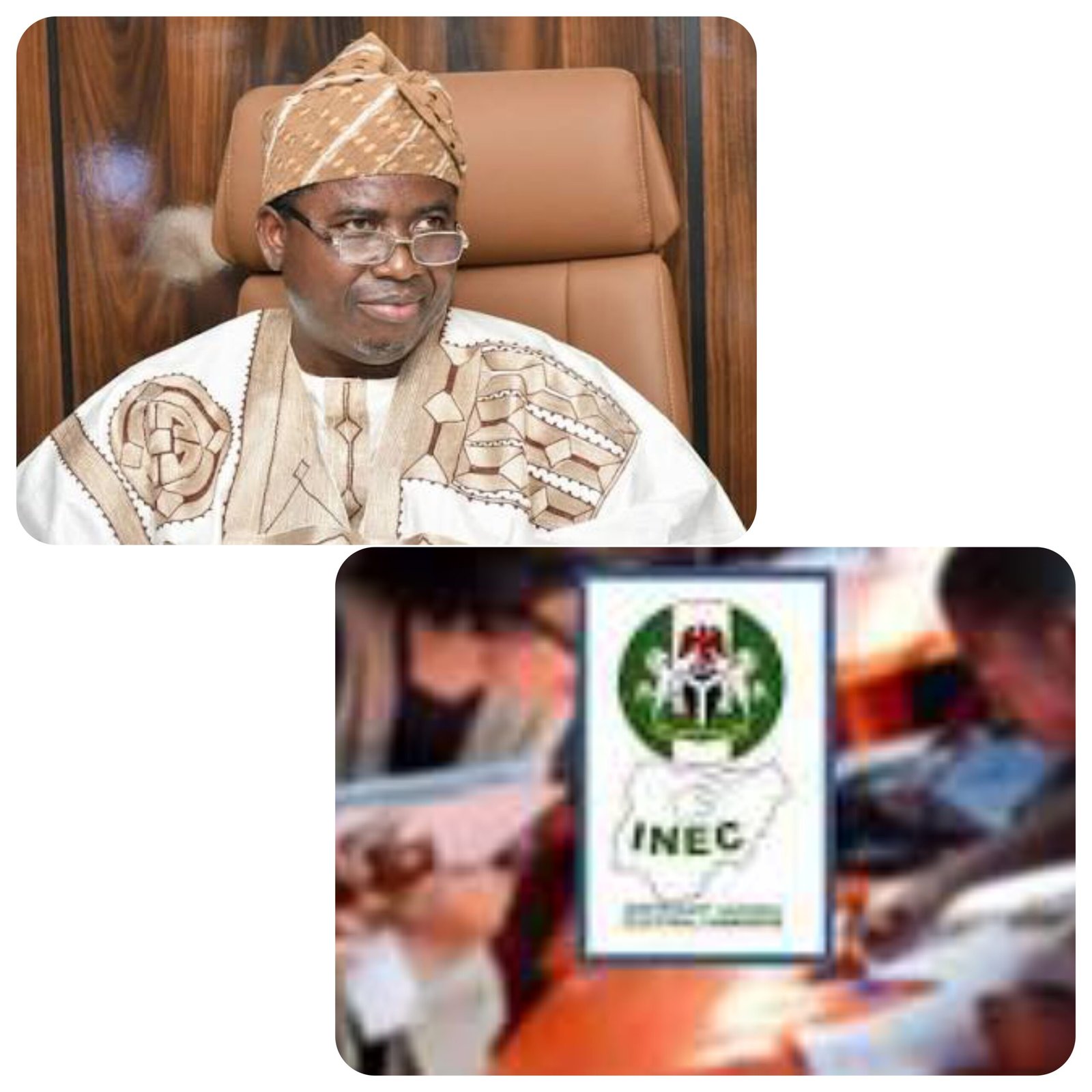
The Independent National Electoral Commission, INEC, has warned Nigerian editors against the growing threat of artificial intelligence driven disinformation, deepfakes and unofficial election results ahead of the 2027 general elections.
INEC Chairman, Prof. Joash Amupitan, SAN, gave the warning on Thursday at the 24th All Nigeria Editors Conference, ANEC 2026, in Enugu, where he urged media organisations to strengthen fact checking and digital verification systems to protect public trust in the electoral process.
The conference, organised by the Nigerian Guild of Editors, is themed “The Ballot, the Media and the Task of Keeping Democracy Alive,” with a sub theme, “When Lies Look Real: Detecting and Debunking AI Disinformation Before, During and After Election.”
Amupitan said the rapid development of generative AI, voice cloning, deepfake video technology and automated bot networks had transformed the disinformation landscape, making it possible to create convincing but false audio, videos, photographs and official looking documents.
He warned that malicious actors could deploy fabricated videos of electoral officials announcing fake results, cloned voices of INEC officials giving false instructions and manipulated result sheets designed to create the impression of electoral fraud.

According to him, the greater danger of synthetic disinformation is its ability to undermine confidence in genuine information from legitimate institutions.
“When deepfakes render lies believable, real truth is greeted with skepticism,” Amupitan said, stressing that the erosion of public trust could have serious consequences for democratic participation and stability.
INEC Sets Up AI Division
The INEC chairman disclosed that the Commission had established a dedicated Artificial Intelligence Division within its ICT Department as part of measures to respond to emerging technological threats.
He said INEC had also begun deploying AI tools within its Results Management process to identify discrepancies and administrative errors before results undergo final validation.
Amupitan, however, stressed that AI would not replace human oversight, saying automated checks would remain subject to human auditing and legal verification.
He said the Commission had developed an AI Roadmap and Governance Framework based on five principles: human oversight, transparency and accountability, data protection, cybersecurity and public trust.
The Commission has also engaged technology and electoral partners on cybersecurity, cloud infrastructure protection, threat mitigation and responsible AI deployment, according to the chairman.
Editors Warned Against Unofficial Results
Amupitan also urged media organisations to exercise caution in reporting election results, particularly figures circulated by political actors or other sources on social media.
He said editors should resist the pressure to publish first at the expense of accuracy, warning that premature reporting of unverified results could create conflicting narratives and damage public confidence in the electoral process.

“Let’s resist premature result declarations. Under the Electoral Act, statutory authority to declare election results rests exclusively with INEC,” he said.
He called on news organisations to establish or strengthen fact checking desks and incorporate digital verification tools, deepfake detection technology and forensic image analysis into their newsroom workflows.
He also urged editors to use their platforms to educate voters on how to identify fabricated documents, synthetic content and other forms of AI generated manipulation.
Amupitan Calls For Better Welfare For Journalists
The INEC chairman also linked the economic welfare of journalists to the credibility and independence of the media.
He told media owners and managers that journalists working under severe financial pressure, unpaid salaries and inadequate welfare could be more vulnerable to inducement, fake news and brown envelope practices.
“We cannot demand unyielding ethical fortitude from a journalist whose basic economic survival is constantly threatened,” he said.
Amupitan disclosed that INEC had introduced the Consolidated Election Management Body Salary Structure, CEMBSS, effective from January 1, 2026, alongside an upgraded salary and welfare package for its workforce.
He also said the Commission increased overhead allocations to its state offices by 150 per cent from July 1, 2026, arguing that institutional welfare and operational capacity were essential to maintaining integrity.
INEC Begins Nationwide Readiness Assessment
On preparations for the 2027 elections, Amupitan said INEC had commenced a nationwide six zone Interactive Meetings and Readiness Assessment tour, beginning in Lagos on September 7.
He said the recent Osun governorship election provided an opportunity to assess the Commission’s operational and technological preparedness, but acknowledged that the 2027 elections would present a much larger logistical challenge.

Amupitan said the presidential and National Assembly elections are scheduled for January 16, 2027, while the governorship and State Houses of Assembly elections are scheduled for February 6, 2027.
He described the media and electoral commission as having complementary responsibilities in protecting Nigeria’s democracy.
“INEC cannot secure the information space alone. We control the electoral infrastructure, but you control the distribution channels of public information,” he told the editors.
He therefore urged the Nigerian Guild of Editors and media organisations to strengthen collaboration on fact checking and verification ahead of the 2027 elections, saying credible information would remain critical to protecting public confidence in the electoral process.