
Business
Kenya Moves To Centralise County Funds, Targets 1,400 Bank Accounts

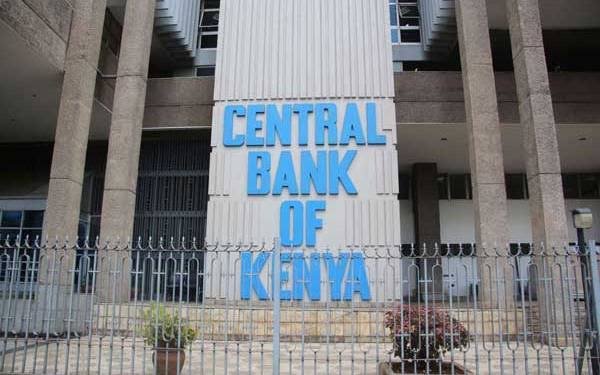
Kenya is planning to consolidate funds belonging to county governments under a centralised banking framework that would bring public deposits and payments under the management of the Central Bank of Kenya (CBK).
The proposed reform, contained in the Public Finance Management (Amendment) Bill, 2026, is aimed at strengthening oversight of public finances, improving cash management and reducing unnecessary government borrowing costs.

The proposal was discussed before a Senate committee on Wednesday, November 18, following recommendations by CBK Governor, Kamau Thugge.
Under the proposed Treasury Single Account (TSA) framework, county government revenues, available balances and expenditure would be consolidated to give the National Treasury a clearer picture of public funds across the country.
Thugge said the Central Bank supported the amendment, arguing that keeping government deposits in commercial banks while the government borrows elsewhere increases public financing costs.

“We fully support this proposed amendment,” he told senators.
He recommended that county governments retain only one imprest account with commercial banks, while their main operational and project accounts would be domiciled with the Central Bank.
The proposed changes are expected to affect more than 1,400 commercial bank accounts currently operated by county governments.
Key provisions include requiring written approval from the National Treasury before counties open or close bank accounts, routing county revenues and payments through the TSA, and restricting commercial bank accounts largely to imprest and petty cash transactions.

However, the proposal has triggered concerns among lawmakers over its implications for county autonomy and the delivery of public services.
Senator Boni Khalwale of Kakamega questioned whether requiring National Treasury approval for county banking arrangements could undermine the constitutional independence of county governments.
The committee’s Vice Chairperson, Tabitha Mutinda, also expressed concern that additional approval procedures could delay government operations at the county level.
Responding, Thugge maintained that the approval process would largely be a one-off exercise, adding that county treasuries would retain control over their day-to-day financial activities.
He also disclosed that about 99 per cent of county transactions were already conducted digitally, making it possible for governments to manage deposits and payments remotely, including in areas without physical CBK branches.
Meanwhile, the National Treasury and the Office of the Controller of Budget have raised concerns over the proliferation of county bank accounts, including accounts allegedly operating outside existing financial regulations.
Kenya’s proposed reform bears similarities to Nigeria’s Treasury Single Account policy, introduced to consolidate government funds and strengthen public financial management.
Nigeria’s Federal Government had merged more than 20,000 government bank accounts under the TSA by August 2017, according to the then Accountant-General of the Federation, Ahmed Idris.
The policy centralised government revenues and payments through the Central Bank of Nigeria, with the objectives of improving transparency, reducing financial leakages and eliminating the cost of maintaining multiple government accounts.
Following the consolidation, the Federal Government reported monthly savings of N4.7 billion.
Kenya’s proposed framework is expected to undergo further legislative consideration as lawmakers weigh the potential financial benefits against concerns about the autonomy and operational flexibility of county governments.