
General News
ADC SLAMS TINUBU ADMINISTRATION FOR ALLEGED NEGLECT OF NIGERIA’S WORSENING INSECURITY

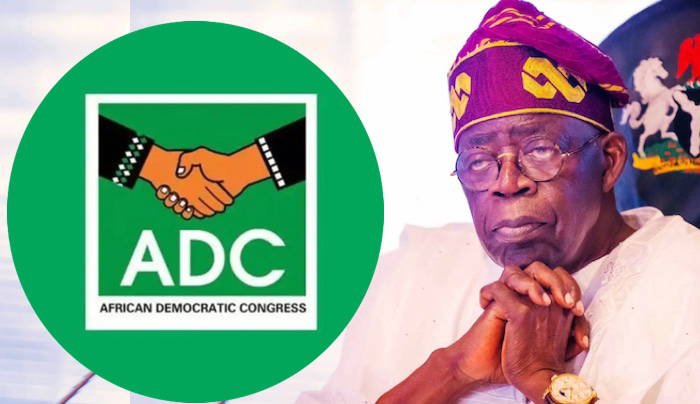
The African Democratic Congress (ADC) has launched a scathing critique of President Bola Ahmed Tinubu’s handling of Nigeria’s escalating security crisis, accusing him of prioritizing political and social appearances over addressing the country’s dire insecurity. The party’s National Publicity Secretary, Mallam Bolaji Abdullahi, condemned the President’s “brazen insensitivity” to citizens’ plight amidst relentless banditry, abductions and killings across multiple states.
Recent attacks in Kwara and Kogi States, coupled with widespread school closures in Northern Nigeria and persistent mass abductions, underscore the ADC’s assertion that Tinubu’s claims of security progress are “a tragic denial of reality”. The party dismissed the President’s remarks on national unity as “political rhetoric”, stressing that genuine unity stems from “responsible leadership and empathy, not ceremonial appearances”.
“We recall that earlier in the year, hundreds of people were killed by gunmen in Plateau State in attacks that lasted several months, but the President never thought it necessary to visit the state at the time. Instead, the President remained in the cosy comfort of the Presidential Villa to condemn the attacks he should have prevented and issued directives that no one obeyed,” Abdullahi stated.
The ADC proposes a five-point rescue plan for Nigeria’s deepening insecurity:
1. *Acknowledge Insecurity Scale*: Formally recognize the true extent of nationwide insecurity.
2. *Community Engagement*: Directly engage affected communities and local leaders.
3. *Elevate Security Alertness*: Ensure joint military, police and local network deployments.
4. *Transparency in Security*: Commit to regular public reporting on security operations.
5. *Security Spending Audit*: Establish transparent monitoring of federal security funds.
“Nigeria is under attack. This administration must stop treating national security as a political talking point. The time for symbolic gestures is over — what the country needs now is responsible leadership, operational urgency, and measurable results,” the ADC declared.
The criticism comes amid reports of President Tinubu ordering a comprehensive overhaul of national security strategies, with the National Security Adviser indicating the President’s active involvement in addressing insecurity despite international engagements.







General News
Alue-Do Festival Assault: First Lady Oluremi Tinubu Condemns Attack on Women, Calls for Justice

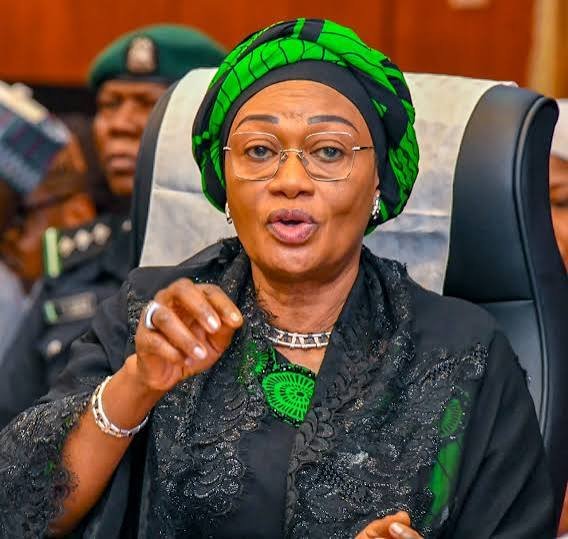
The First Lady of Nigeria, Oluremi Tinubu, has strongly condemned the reported assault of women and girls during the Alue-Do Festival in Ozoro, Delta State, describing the incident as “horrific” and unacceptable.
Reacting to viral footage from Ozoro, the First Lady expressed outrage over scenes showing young girls being physically and sexually assaulted, as well as subjected to degrading treatment during what was meant to be a cultural celebration.
While acknowledging Nigeria’s rich cultural diversity, Mrs. Tinubu stressed that no tradition or custom should be used as justification for violating the dignity and rights of women and girls.
She commended the efforts of the Nigeria Police Force for making arrests in connection with the incident and urged authorities to ensure that all perpetrators are brought to justice.
The First Lady also called on victims to seek immediate medical and psychological support, offering prayers for their healing, peace, and strength in the aftermath of the ordeal.
The incident has sparked widespread concern and renewed calls for stricter measures to protect women and girls during cultural and public events across the country.
General News
World Water Day 2026: Oluremi Tinubu Calls for Gender Equity Through Improved Water Access
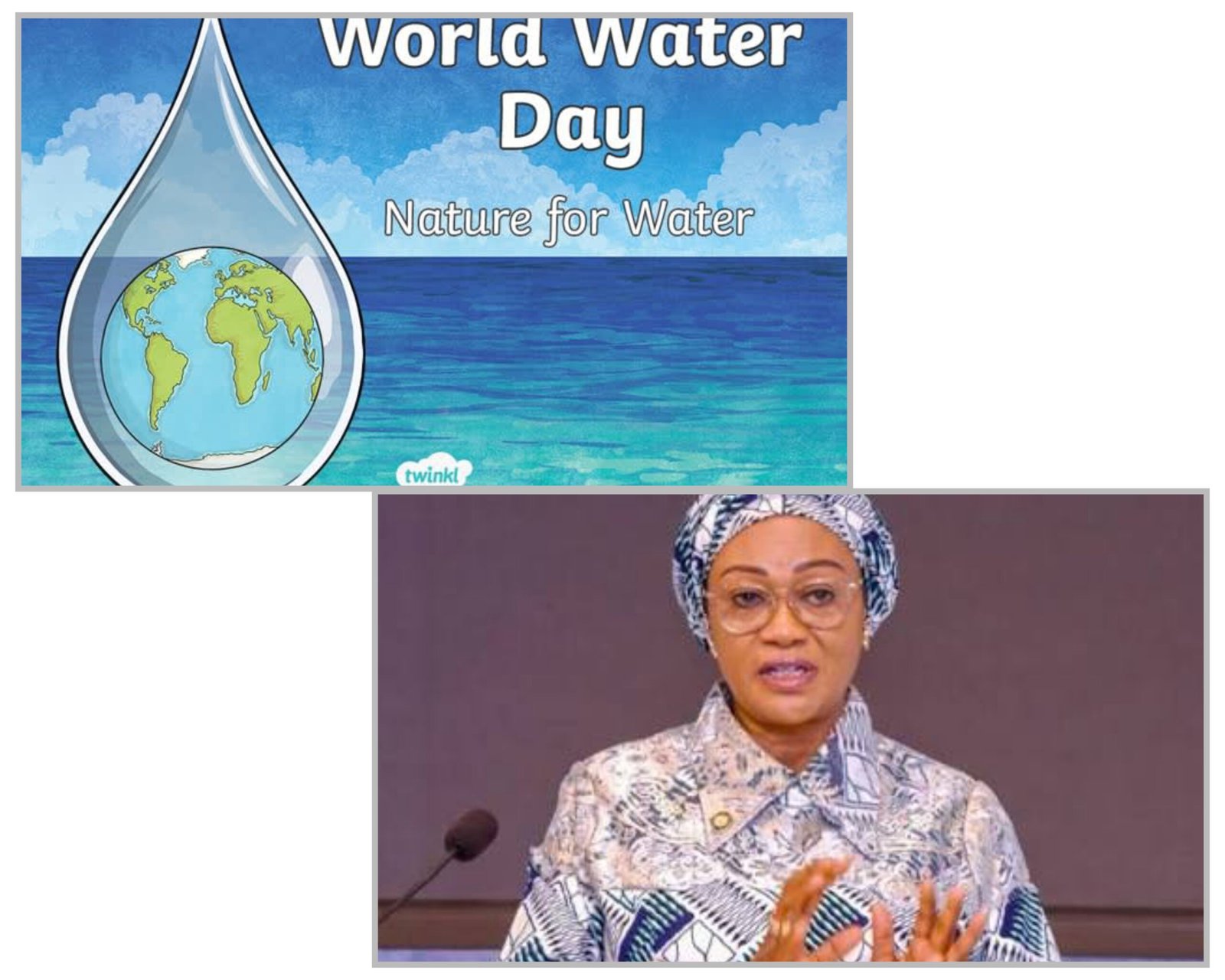
The First Lady of Nigeria, Oluremi Tinubu, has called for collective action to promote gender equality through improved access to water and sanitation, as the world marks World Water Day 2026.
In a message commemorating the day, Senator Tinubu highlighted this year’s theme, “Water and Gender,” alongside the campaign slogan, “Where Water Flows, Equality Grows,” emphasizing the strong link between water access and gender equity.
She noted that in many communities, women and girls bear the burden of sourcing water, often trekking long distances to streams, a situation that negatively impacts their education, health, and economic opportunities.
“When we ensure safe, clean, and accessible water, we do more than quench thirst; we open doors for girls to stay in school, for women to pursue livelihoods, and for families to live healthier lives,” she said.
The First Lady urged Nigerians to work together to ensure equitable access to water resources across the country, stressing that improved water systems can drive social and economic development.
She concluded by encouraging citizens to embrace the spirit of the global observance and reaffirm commitments toward building a more inclusive society.
“Let us work together to ensure that where water flows in Nigeria, equity truly grows,” she added.
World Water Day is observed annually on March 22 to raise awareness on the importance of freshwater and advocate for sustainable management of water resources worldwide.
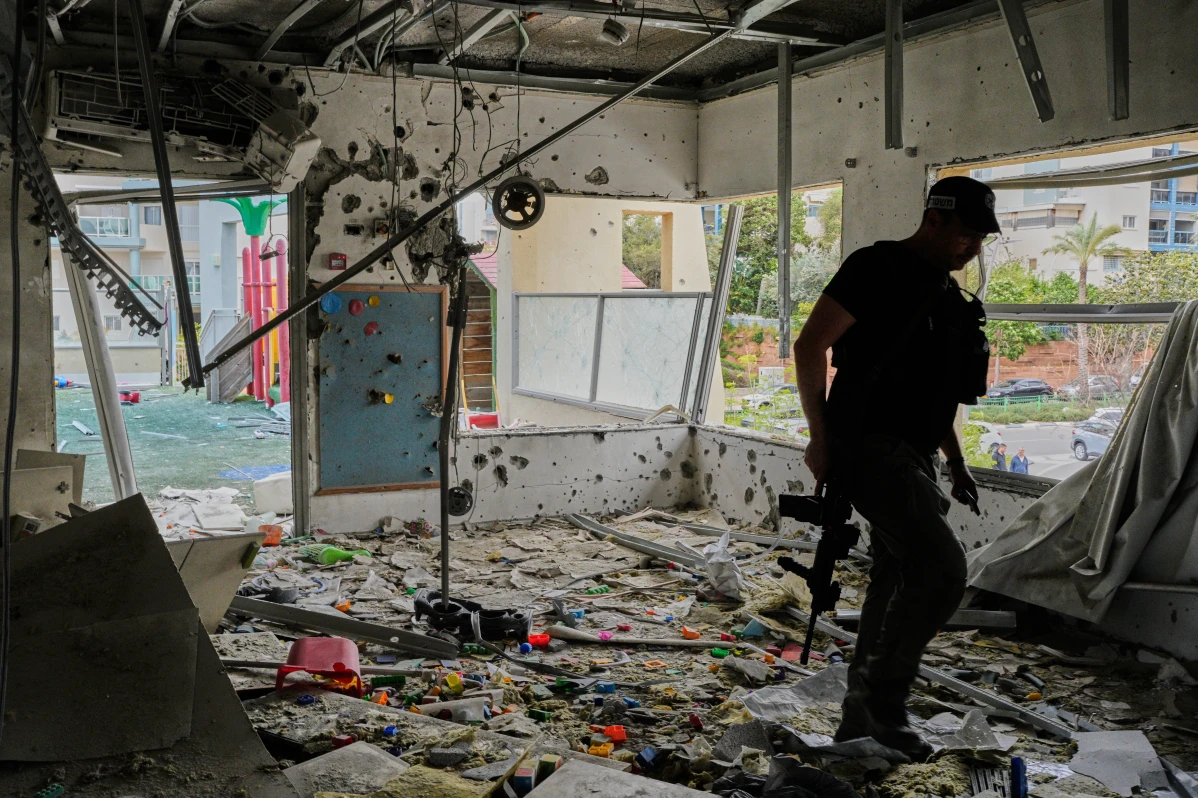
Fresh hostilities in the ongoing Iran-Israel conflict intensified early Sunday, with Iran launching strikes near Israel’s main nuclear research centre, leaving dozens injured and raising fears of wider regional escalation.
According to reports, missiles hit areas close to the nuclear facility in Dimona and the southern city of Arad. Rescue services confirmed that nearly 70 people were injured in Arad alone, with several in serious condition and multiple residential buildings severely damaged.
The Israeli military said it had begun retaliatory strikes targeting locations in Tehran, further escalating the conflict, which has now entered its fourth week.
Iran warned that any attack on its energy facilities would trigger retaliatory strikes on U.S. and Israeli infrastructure across the region. The threat followed a statement by former U.S. President Donald Trump, who warned that the United States could target Iranian power plants if Tehran fails to reopen the strategically vital Strait of Hormuz within 48 hours. Iranian authorities described such threats as provocative, vowing a firm response if carried out.
Saudi Arabia also confirmed that its air defence systems intercepted missiles and drones targeting its territory, including areas near key oil installations, with no casualties reported. In a separate incident, a projectile struck near a commercial vessel off the coast of the United Arab Emirates, causing an explosion but leaving the crew unharmed.
Iran’s state media reported that the death toll within the country has surpassed 1,500 since the conflict began, raising humanitarian concerns. Legal experts have also warned that targeting civilian infrastructure such as power plants could violate international law.
Israeli Prime Minister Benjamin Netanyahu described the situation as “a very difficult moment,” as emergency teams continued search-and-rescue operations in affected areas.
In Yemen, Iran-backed Houthi rebels warned they could join the conflict if attacks against Iran intensify, cautioning that further escalation could disrupt global energy supplies and economic stability.
Despite diplomatic signals, including a temporary U.S. move to ease sanctions on Iranian oil shipments, there are no clear signs of de-escalation, with both sides continuing military operations. Analysts warn the conflict risks expanding into a broader regional war with significant global implications.