
Education
Amnesty Programme Boosts Education: 220 Nigerians Studying in UK, 8,000 Enrolled Locally


Amnesty Programme Boosts Education: 220 Nigerians Studying in UK, 8,000 Enrolled Locally
The Federal Government has disclosed that no fewer than 220 Nigerians are currently studying in the United Kingdom under the Presidential Amnesty Programme (PAP), while over 8,000 beneficiaries are pursuing various academic programmes within Nigeria.
Established in 2009, the Presidential Amnesty Programme was designed to address militancy in the Niger Delta by disarming and rehabilitating former agitators. Over time, the initiative has evolved into a comprehensive platform focused on education, skills acquisition, and empowerment to promote sustainable peace and development in the region.
Under the scheme, beneficiaries receive fully funded scholarships covering tuition, accommodation, monthly stipends, and book allowances for both undergraduate and postgraduate studies.
Participants are drawn from key Niger Delta states, including Abia, Akwa Ibom, Bayelsa, Cross River, Delta, Edo, Imo, Ondo, and Rivers.
In 2025 alone, the programme sponsored 161 beneficiaries for postgraduate studies in the United Kingdom, with an additional 34 deployed to various UK universities for the 2025–2026 academic session.
Administrator of the programme, Dennis Otuaro, reaffirmed the government’s commitment to expanding the initiative, with a renewed focus on critical and emerging fields such as data science, cybersecurity, and energy law.
According to him, the goal is to build a knowledge-driven Niger Delta by equipping beneficiaries with relevant global skills that can contribute to national development.
The programme continues to play a key role in transforming lives and fostering stability in the oil-rich region, while also positioning Nigerian youths for global competitiveness.


The Edo State Police Command has arrested students involved in a viral bullying incident at Igbinedion Education Centre, following widespread public outrage.
Police authorities confirmed that all individuals linked to the incident have been identified and taken into custody, with plans to charge them in a family court in line with juvenile justice and child protection laws.
The case gained national attention after disturbing videos surfaced online showing a student being physically assaulted by fellow students. In one of the clips, the victim was reportedly beaten, kicked, and humiliated while others watched and recorded the incident.
Preliminary investigations revealed that the violence stemmed from an earlier altercation between students. Authorities said a disagreement involving offensive remarks escalated into physical attacks, with a cycle of retaliation contributing to the incidents captured on video.
The Edo State Police spokesperson stated that the arrests followed a “thorough and painstaking investigation,” adding that all suspects would face legal proceedings in accordance with the law.
In response to the incident, the police have also intensified the “Operation Safe Schools” initiative across the state to address gaps in supervision and prevent similar occurrences.
The school management had earlier taken disciplinary action by expelling students directly involved, while the Edo State Ministry of Education condemned the act, describing it as unacceptable and contrary to the values of discipline and safety expected in schools.
Authorities have urged parents, guardians, and school administrators to take greater responsibility in guiding students and ensuring that grievances are handled through proper channels rather than violence.
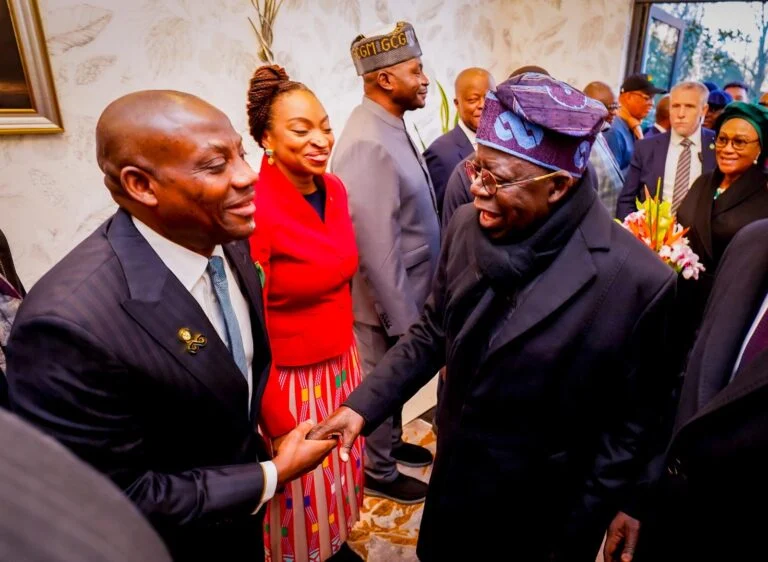
Dr. Maruf Alausa, Minister of Education, is in London alongside senior government officials to receive President Bola Tinubu ahead of high-level meetings aimed at strengthening Nigeria’s education and skills development sector.
During the visit, Dr. Alausa underscored the launch of the second phase of Nigeria’s Technical and Vocational Education and Training (TVET) reform programme, emphasizing strategic partnerships with international institutions, investors, and development organizations, including Big Win Philanthropy.
The reform initiative seeks to reposition technical education as a key driver of youth employment and economic growth, addressing the country’s long-standing challenges of graduate unemployment and skills mismatch. Discussions are set to include collaboration with University of Birmingham and Coventry University, with the aim of enhancing research, faculty exchange, and the establishment of a full campus in Nigeria to improve access to international-standard higher education.
Dr. Alausa noted that strengthening global partnerships is critical to reversing the outflow of Nigerian students abroad, attracting foreign investment, and boosting local capacity in education and technical skills.
Officials say the outcomes of the London engagements are expected to shape the next phase of reforms in Nigeria’s education sector, particularly in technical training, international collaboration, and infrastructure development.
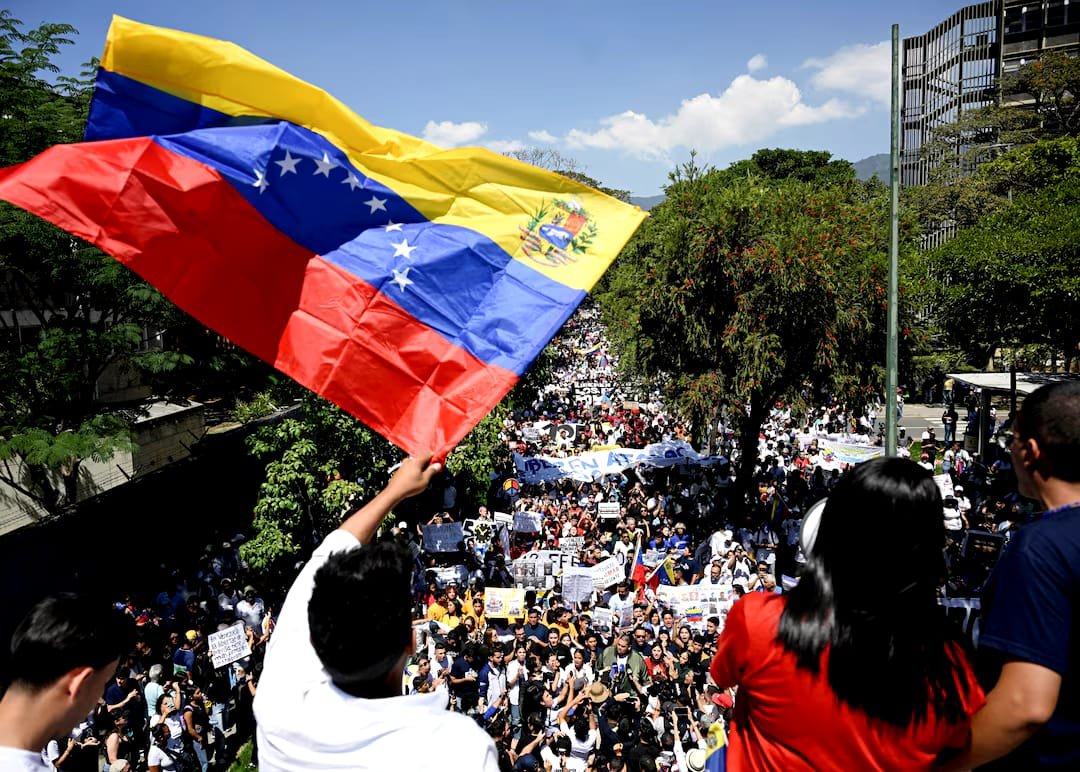
University students across Venezuela have begun returning to the streets in renewed demonstrations, marking a significant shift after years of political repression and fear under the country’s former leadership.
In recent weeks, hundreds of students from the Central University of Venezuela in the capital, Caracas, staged marches that moved beyond university campuses into public streets, an action that had long been considered dangerous due to the risk of arrests, violence, or intimidation by security forces.
The protests reflect a resurgence of youth activism following the dramatic capture of former president Nicolás Maduro in early January, an event that many students say has created a rare opening for public dissent and demands for political reform.
Carrying national flags and chanting slogans for freedom, student demonstrators marched alongside relatives of political detainees, demanding the release of prisoners, institutional reforms, and credible democratic elections. Many protesters also called for improved conditions in the country’s struggling university system, including higher salaries for lecturers and better funding for campuses.
For many young activists, the moment represents a generational awakening. A large number of the protesters are in their early twenties and grew up entirely under the political system known as Chavismo, which began with former president Hugo Chávez in 1999 and continued under Maduro.
Student leaders say the renewed demonstrations show that fear is gradually giving way to hope. While many celebrate the political changes that have occurred in recent months, they remain cautious about the country’s future and stress the need for a democratic transition led by Venezuelans themselves.
Despite the renewed activism, human rights observers warn that Venezuela’s repressive security structures remain largely intact, meaning protesters could still face risks as demonstrations continue.