
Business
Canada Hits Back With Tariffs as Trade War With US Escalates

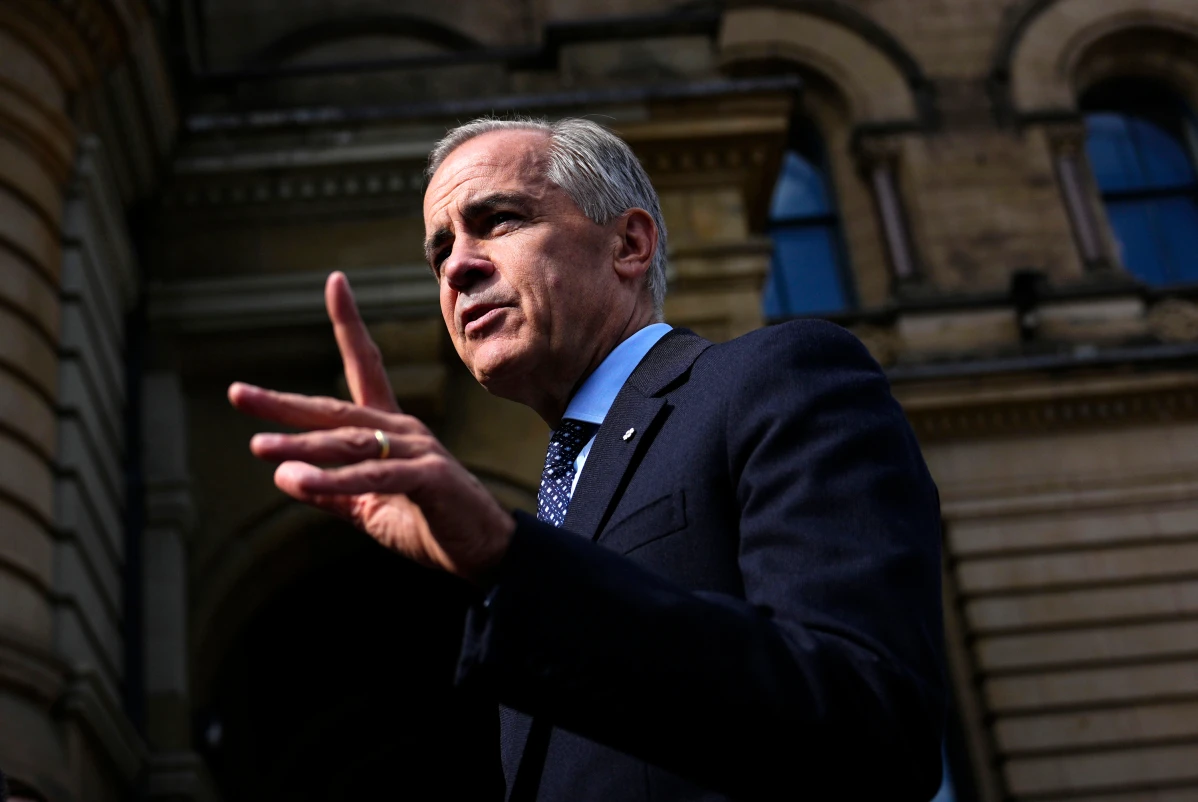
Canada has escalated its trade confrontation with the United States, imposing new tariffs on about $20 billion worth of U.S. goods as Prime Minister Mark Carney retaliates against President Donald Trump’s latest trade measures.
The Canadian tariffs took effect shortly after midnight on Tuesday, marking another major step in an 18-month-old trade dispute between the two closely connected economies. The move follows the collapse of trade negotiations between Ottawa and Washington last month.
The new Canadian duties range from 15% to 50% and cover a range of American products, including steel, furniture, clothing, electronics and agricultural goods. They are designed to counter U.S. tariffs imposed on Canadian exports.
The dispute has become increasingly bitter despite the two countries’ enormous economic ties. About 80% of Canadian exports to the United States had remained duty-free under the USMCA, but Washington’s latest measures have bypassed many of those exemptions.
The latest escalation followed the breakdown of negotiations in August.
The United States imposed 50% tariffs on roughly $20 billion of Canadian products, prompting Carney to announce that Ottawa would respond with its own tariffs beginning September 8. Canadian officials said Washington had failed to provide sufficient guarantees that tariff rates agreed in any future deal would remain stable.
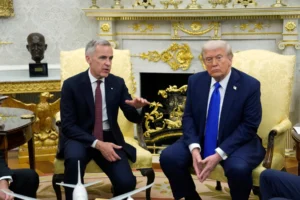
Carney has argued that Canada cannot accept an agreement that leaves its industries vulnerable to sudden tariff increases or undermines the country’s ability to make independent trade arrangements with other nations.
He has also increasingly framed the dispute as an issue of Canadian economic sovereignty, rather than simply a disagreement over individual products.
The confrontation has continued to widen beyond the original tariff dispute.
Trump recently threatened to prevent Canadian aircraft manufacturer Bombardier from selling its jets in the United States unless the company moves production to American soil. Bombardier has a significant U.S. presence and relies heavily on American suppliers, making the threat another potential flashpoint between Washington and Ottawa.
Trump has also threatened significantly higher tariffs on Canadian automobiles, adding further uncertainty for the deeply integrated North American auto industry.
The economic consequences could extend well beyond governments.
Canadian consumers and businesses could face higher prices for American imports, while U.S. companies that rely on Canadian customers or Canadian raw materials could also feel the pressure.
Canada is particularly dependent on access to the U.S. market, while the United States also relies heavily on Canada for products including oil, fertilizer, metals and other industrial inputs. Analysts therefore warn that prolonged tariffs could hurt businesses and consumers on both sides of the border.

The political fallout is already visible. A recent Reuters/Ipsos poll found that only 20% of Americans supported Trump’s latest Canada tariffs, while 57% opposed them. In Canada, however, the confrontation has helped strengthen support for Carney’s stance as he presents himself as defending the country’s interests against pressure from Washington.
For now, there is little sign of a quick resolution.
Carney has said Canada remains willing to negotiate, but insists that any agreement must provide greater certainty and protect Canadian interests. The United States, meanwhile, has continued to threaten additional measures.
The latest tariffs therefore represent more than another round of economic retaliation. They signal a deeper deterioration in the relationship between two countries whose economies have been closely intertwined for decades.
With businesses on both sides facing increased costs and uncertainty, the question now is whether the tariff battle will eventually force the two governments back to the negotiating table, or develop into an even broader trade confrontation.