Opinion
Crude Oil Spillage/Pollution Remains One of the Greatest Contributors to Ecosystem Destruction Globally

By AVM RTD Akugbe Iyamu MNSA fsi
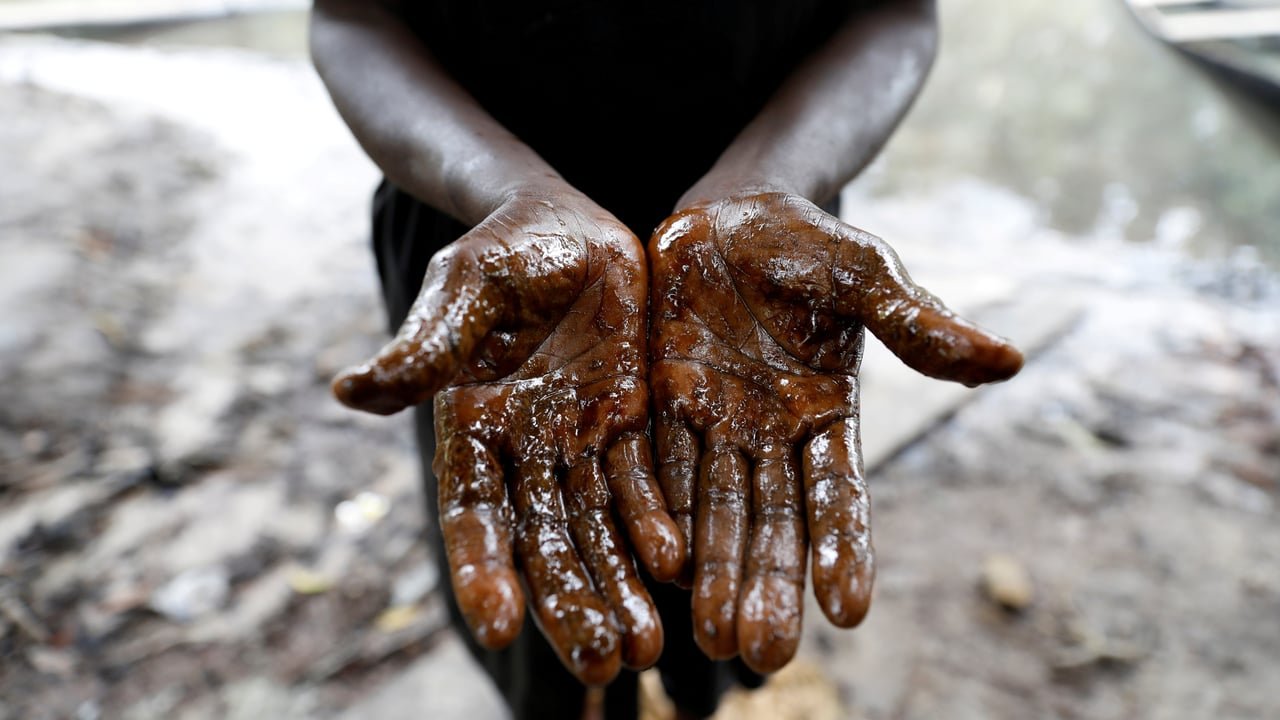
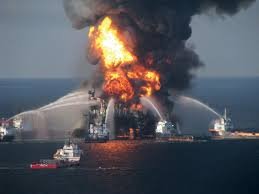
Oil spills in Nigeria, particularly in the Niger Delta have caused extensive, long-term environmental, economic, and health damages, with cleanup costs estimated at over $12 billion.
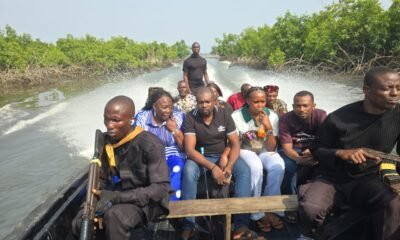
Frequent spills, often caused by theft and sabotage including ageing infrastructure result in massive economic losses of up to $20 billion annually. These incidents have prompted legal battles, with oil companies like Shell paying millions in compensation. The retinue of oil spillage is frequent with the niger delta with massive oil spillage is happening in Bayelsa.
It is spilling from the well owned by SPDC in Ekeremo area and polluting rivers in Bayelsa and Delta states killing aquatic ecosystems. There has been a good history of oil spillage in recent years starting from 1979 in Ondo state.
Nigeria’s largest spill was an offshore well-blow out in January 1980 when an estimated 200,000 barrels of oil (8.4million US gallons) spilled into the Atlantic Ocean from an oil industry facility and that damaged 340 hectares of mangrove. At this point, it is essential to define the various levels of spills:
Small Spills and Large Spills.
Large spill is considered six (6) gallons or more and a small spill is considered less than six (6) gallons however, consideration must be given to the type of oil that has been spilled (i.e. a hazardous material of a smaller quantity may require HazMat assistance). The oil does not spill itself, it is normally triggered by
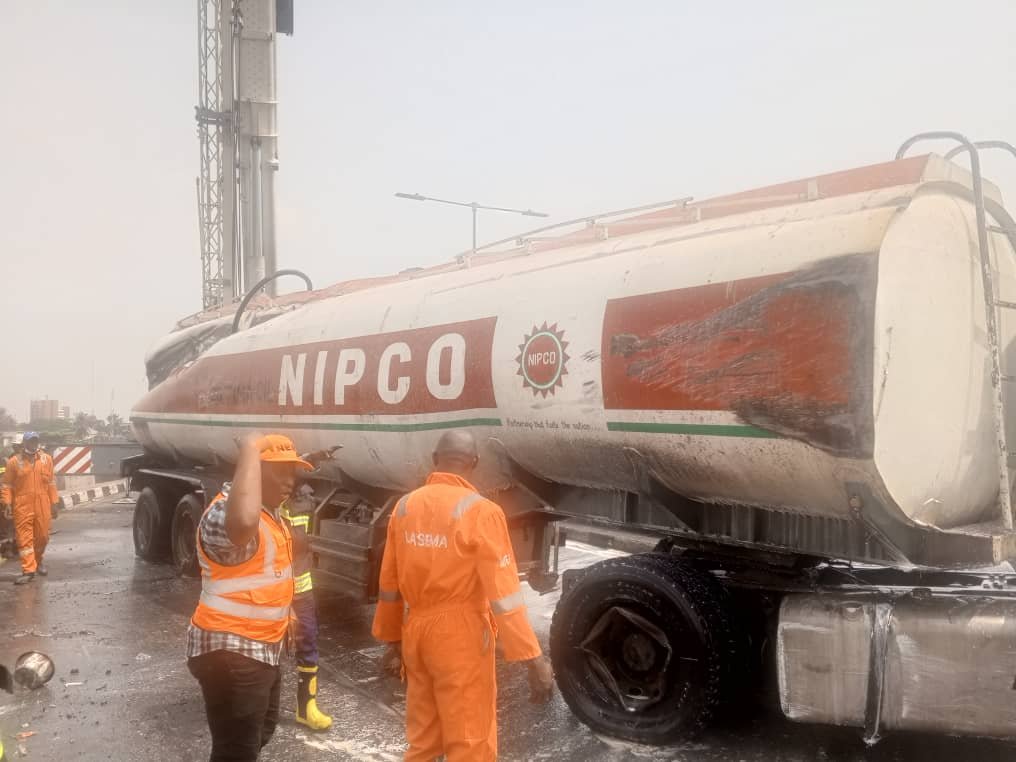
accidents involving tankers, barges, pipelines, refineries, drilling rigs, and storage facilities are the most common cause of oil spills, but recreational boats can also release oil out on the water or in marinas. The highest oil spillage in Nigeria history happened in Ondo state in 1979.
While oil exploration began in Araromi, Ondo State as early as 1908, the major infamous oil spillage often associated with 1979 in the region refers to the massive Forcados terminal tank failure, the 1979 Forcados Terminal Spill in July 1979 when the Forcados terminal experienced a massive oil spill, estimated at 570,000 barrels.
This incident is recorded as one of the largest in Nigerian history, spilling over a 21-day period and severely affecting aquatic life and surrounding swamps. Nigeria has a fair amount of success in dealing with oil spillage which involves a combination of regulatory oversight by NOSDRA, immediate containment actions (booms, skimmers, burning), and long-term bioremediation in primarily addressing devastation in the Niger Delta.
Despite these efforts, over 10,000 incidents occurred between 2011-2022, driven by sabotage and aging infrastructure, with cleanup costs are estimated in the billions. Globally, oil spillage is of great concern hence oil spill management focuses on rapid containment and cleanup using a tiered approach (local, national, international) to minimize environmental and economic damage.
Key strategies include deploying booms and skimmers for containment, using dispersants, in situ burning, and bioremediation. Modern management integrates satellite tracking, AI for modeling, and stringent, pre-emptive measures. Pollution remains the greatest contribution to social, economic and environmental hazards. Let’s collectively deal with its various types.
AVM RTD AKUGBE IYAMU MNSA fsi
CONSULTANT ON CLIMATE CHANGE AND ANALYST ON ENVIRONMENTAL POLICIES
PRESIDENT ASSOCIATION OF ENVIRONMENTAL PROTECTION AND CLIMATE CHANGE PRACTITIONERS