
Africa
ECOWAS Envoys Meet in Lomé to Review Progress, Plan Next Phase of Regional Agenda

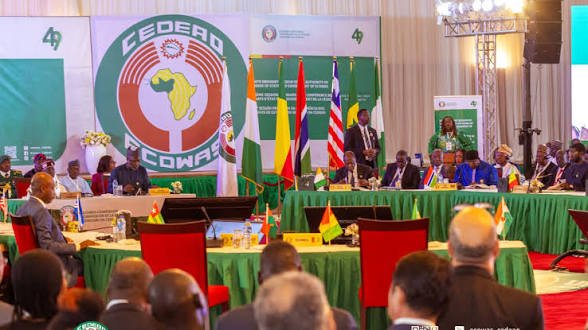
Resident and Permanent Representatives of the Economic Community of West African States (ECOWAS) have commenced a strategic retreat in Lomé, Togo, to evaluate progress made under the Commission’s 2022–2026 mandate and outline priorities for the remaining period.
The five-day retreat, scheduled from March 9 to 13, 2026, brings together ECOWAS Resident and Permanent Representatives posted across member states, as well as members of the cabinet of the President of the ECOWAS Commission.
The meeting also includes outgoing representatives, creating an opportunity for dialogue, reflection, and the sharing of experiences between former and newly appointed envoys.
Participants are expected to review achievements recorded since the beginning of the Commission’s current mandate while identifying key strategies and priorities for the remaining phase.
In her welcome address, the ECOWAS Resident Representative in Togo, Ms. Dewey Emily Gray, described the retreat as timely, noting that it provides the regional bloc with an opportunity to reflect on its performance and future direction.
According to her, the presence of both outgoing and newly appointed representatives will help strengthen institutional memory and ensure a shared understanding of ECOWAS goals among member states.
The retreat was officially declared open on behalf of the President of the ECOWAS Commission, Omar Alieu Touray, by his Chief of Staff, Mr. Abdou Kolley.
Kolley highlighted the critical role played by Resident and Permanent Representations in promoting ECOWAS programmes and initiatives across the region since the launch of the Commission’s 2022–2026 mandate.
He noted that the representatives serve as a vital bridge between the Commission and member states, helping to facilitate the implementation of regional policies and development programmes.
During the retreat, participants are expected to deliberate on ways to strengthen coordination among member states, enhance the visibility of ECOWAS activities, and improve collaboration with national authorities and other regional stakeholders.
The meeting will also provide an opportunity to reflect on lessons learned over the past four years and explore new strategies aimed at deepening regional integration, cooperation, and development in West Africa.
Observers believe the outcome of the Lomé retreat could shape the final phase of the Commission’s current mandate as ECOWAS continues to pursue its objectives of regional stability, economic integration, and collective development.

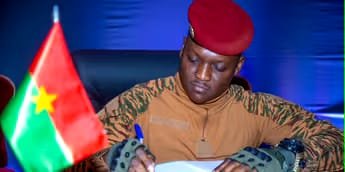
The government of Burkina Faso has adopted a new National Development Plan (PND) for 2026–2030, a five-year economic roadmap estimated at about $64 billion, aimed at transforming the country’s economy, strengthening stability, and promoting inclusive growth.
Officials said the ambitious development framework is designed to guide national investment priorities over the next five years, focusing on rebuilding key sectors of the economy, improving infrastructure, and creating jobs.
According to government sources, the plan will prioritize investments in agriculture, energy, infrastructure, industrial development, and social services, with the aim of boosting productivity and improving living standards across the country.
Authorities noted that the program is also intended to address economic vulnerabilities while supporting national security and stability, as the West African nation continues to confront security challenges that have affected economic activity in recent years.
The government said both public and private sector investments will play a key role in financing the plan, with support expected from international development partners and regional institutions.
Economic analysts say the success of the initiative will depend largely on effective implementation, improved governance, and the country’s ability to attract foreign investment despite ongoing security concerns.
The new strategy replaces the country’s previous development framework and is expected to guide policy decisions, investment planning, and reforms through 2030 as Burkina Faso seeks to strengthen economic resilience and accelerate growth.
Officials say the plan reflects the government’s commitment to sustainable development and long-term economic transformation.
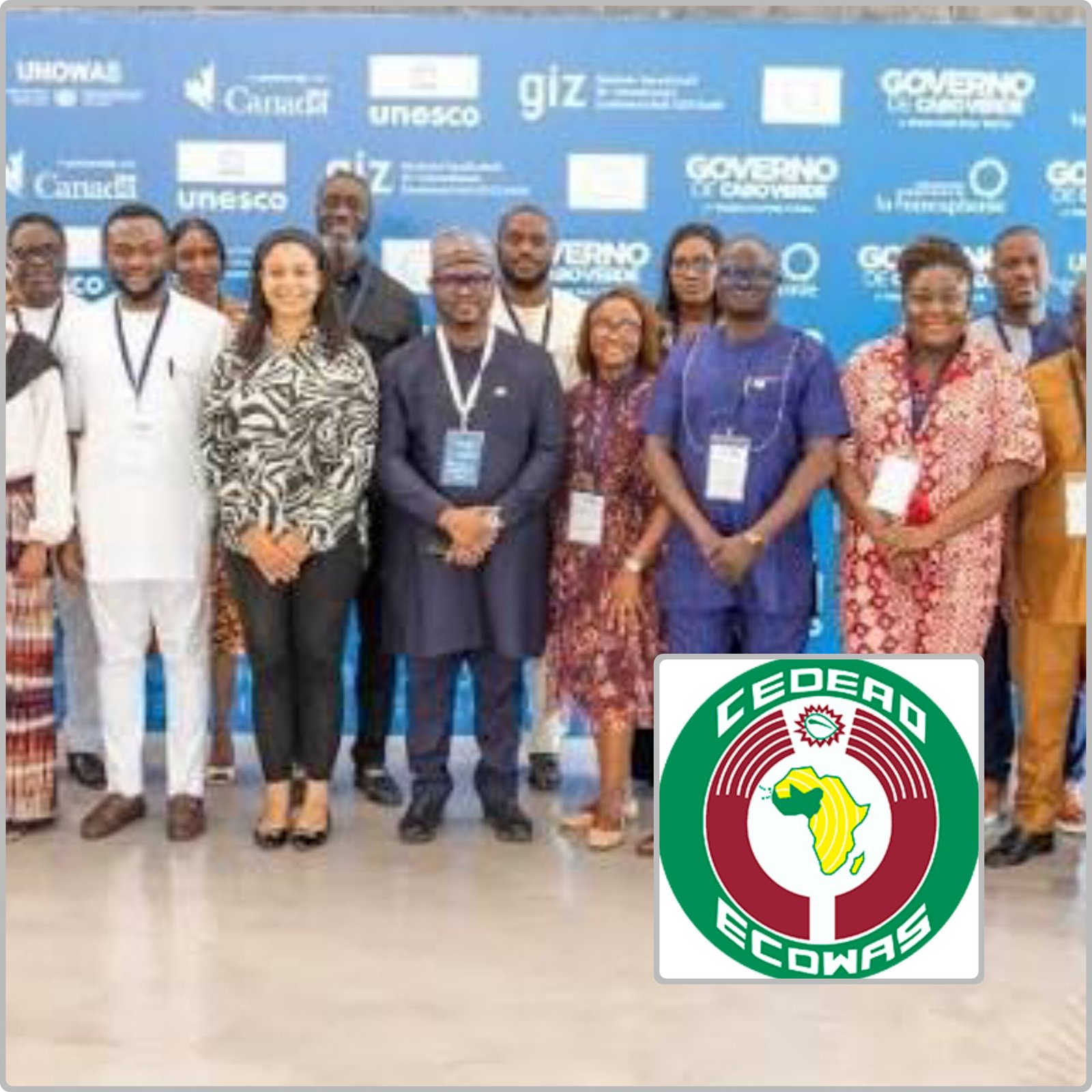
Directors-General of national television stations across West Africa have gathered in Cotonou to strengthen collective action against misinformation about the Economic Community of West African States (ECOWAS) and enhance public media collaboration in promoting regional integration.
The two-day meeting, organised by the ECOWAS Commission’s Directorate of Communication with support from the German Government, brought together heads of national broadcasters and ECOWAS National Bureaus from 12 member states.
Participants underscored the importance of strengthening public television networks in countering misinformation and improving visibility of ECOWAS programmes, policies, and achievements across the sub-region.
The President of the ECOWAS Commission, Omar Alieu Touray, represented by his Senior Special Adviser, Mr. Abdoulie Gassama, highlighted the critical role national broadcasters play in shaping public understanding of regional initiatives.
He described public television stations as trusted institutions with the reach and credibility necessary to bridge communication gaps between ECOWAS institutions and citizens. He stressed that effective communication remains essential for sustaining confidence in the bloc’s peacebuilding, economic integration, and democratic governance efforts.
The meeting comes amid growing concerns over the rapid spread of false narratives on digital platforms, making coordinated media engagement more urgent. Stakeholders are expected to explore content-sharing frameworks, joint programming opportunities, and structured partnerships to ensure consistent and accurate reporting on ECOWAS activities.
Opening the session, the Chairman of the ECOWAS Administrative and Financial Committee, Komba Momoh, called for practical outcomes from the dialogue.
Represented by Ms. Laygbay Lilian Amadu, Deputy Director of the ECOWAS Country Office in Sierra Leone, she urged participants to move beyond discussions and focus on actionable strategies that would support sustained programming and broader coverage of regional initiatives.
She emphasized that stronger cooperation between ECOWAS and national broadcasters would promote transparency, counter misinformation, and encourage greater public ownership of regional policies.
The Cotonou deliberations are expected to produce concrete commitments aimed at institutionalising collaboration between the ECOWAS Commission and public television networks.
Officials said the initiative represents a strategic step toward strengthening the regional body’s communication ecosystem and ensuring that West Africa’s integration narrative is accurately projected across member states.
President Bola Ahmed Tinubu has reaffirmed Nigeria’s commitment to the swift implementation of South Sudan’s revitalised peace agreement, calling for the immediate and unconditional release of First Vice President Riek Machar and other detained opposition figures.
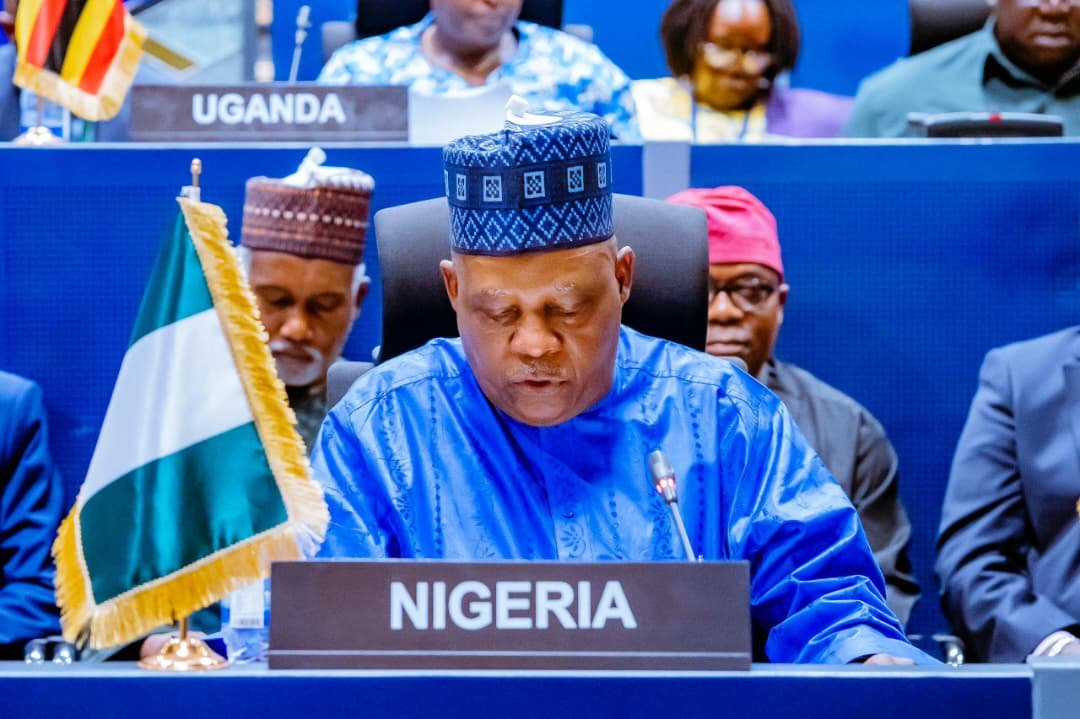
Tinubu made the call at the African Union High-Level Ad Hoc Committee meeting on South Sudan, known as the C-5 Plus Summit, held on the sidelines of the 39th Ordinary Session of the Assembly of Heads of State and Government of the African Union in Addis Ababa, Ethiopia. He was represented by Vice President Kashim Shettima.
The Nigerian leader urged South Sudanese authorities to convene an all-inclusive national dialogue and reconciliation forum, stressing that national unity and elite consensus are crucial for a successful transition He also called on stakeholders to prioritise inclusive, peaceful, and transparent elections to build trust in the country’s leadership.
Tinubu noted that insecurity and political tensions in South Sudan have slowed progress in key transitional areas, including security sector reforms and constitution drafting. He reiterated Nigeria’s readiness to support efforts toward lasting peace and sustainable development in the country.
Meanwhile, Nigeria has pledged to host and provide full infrastructural support for the Combined Maritime Task Force in the Gulf of Guinea. According to Shettima, Nigeria will supply office facilities, ships, helicopters, and temporary personnel to enhance maritime security and combat transnational organised crimes in the region.
The commitment was announced during the AU summit, where Nigeria also advocated stronger continental collaboration to address security threats, debt challenges, and mineral exploitation across Africa.
The presidency said the moves reflect Nigeria’s broader push for peace, stability, and institutional strengthening on the continent.