General News
EFCC Issues Final Warning to Content Creators Over Unauthorized Use of Agency’s Identity

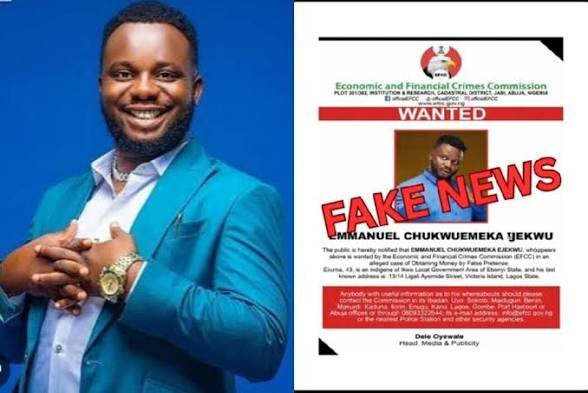
The Economic and Financial Crimes Commission has issued a stern warning to content creators and skit makers across Nigeria, directing them to immediately stop using the commission’s name, logo, uniforms, and any official likeness in their productions without prior written approval.
In a video message shared on its official X page on April 24, 2026, the anti-graft agency expressed deep concern over what it described as a growing trend of individuals incorporating EFCC identity elements into online content without authorisation. The commission warned that any violators of this directive will face full prosecution.

The EFCC stated, “It has come to the attention of the Economic and Financial Crimes Commission that some individuals and content creators are using the name, logo and likeness of EFCC in skits and other media content.” The agency further noted that many of these unauthorised portrayals are problematic, adding, “Many of these skits misrepresent our values and standard operating procedures.”

The commission made it clear that it has not granted permission for any such use, emphatically declaring, “We wish to inform the general public that the EFCC has not authorised any such use. The EFCC does not endorse, sponsor or approve any comedy, drama or online content that uses our identity without written consent.”
In a direct warning to the entertainment industry and digital content creators, the commission instructed, “Therefore, the public is hereby advised to cease and desist from using our name, logo, uniforms or any identifying elements in skits or promotional content without prior written approval. Be warned, all who violate these instructions shall be prosecuted.”
This latest directive comes amid rising concerns by the commission over increasing cases of impersonation and fraudulent activities. Intelligence available to the EFCC indicates that fraudsters have been deploying deceptive tactics, including staging fake sting operations and targeting unsuspecting youths at eateries and recreational spots in major cities, all while posing as genuine anti-graft officials to tarnish the agency’s image.