Finance
FEDERAL GOVERNMENT BEGINS PAYMENT OF OUTSTANDING DEBTS TO CONTRACTORS

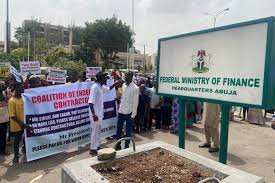
The Federal Government has initiated steps to settle outstanding debts owed to verified contractors who have completed projects for its Ministries, Departments, and Agencies (MDAs). According to the Office of the Accountant General of the Federation (OAGF), the government maintains accurate records of contracts executed by its MDAs and remains committed to ensuring that all completed projects meeting required standards are paid for.

The OAGF confirmed that the government has commenced the clearance of five months’ arrears related to the N35,000 wage award for federal workers. Disbursements began in May and will continue on a structured schedule, with the next payment due after June 2025 salaries are processed.



Estimates suggest the government currently owes contractors between ₦200 billion and ₦400 billion, driven by delayed budget releases, liquidity constraints, and procurement inefficiencies. The OAGF emphasized that only contractors who adhered to due process and met contract specifications would be eligible for payments.
“The government maintains accurate records of contracts executed by its Ministries, Departments, and Agencies (MDAs) and remains committed to ensuring that all completed projects meeting required standards are paid for,” the OAGF said in a statement.
The government’s decision to settle outstanding debts comes amid growing concerns about the economic impact of delayed payments, including stalled infrastructure projects, job losses, and financial hardship for smaller contractors. Industry experts have repeatedly flagged the consequences of delayed payments, and the government has implemented reforms in contract verification and engaged the Debt Management Office to manage the situation carefully, ensuring inflationary risks are minimized.
The wage award was introduced as a temporary relief measure following the removal of fuel subsidies and the subsequent economic strain on public sector workers. Despite initial delays, the structured disbursement has offered partial respite to affected civil servants.