
General News
Gas Prices Surge in UK, Europe After Attacks on Qatar, Iran Energy Facilities

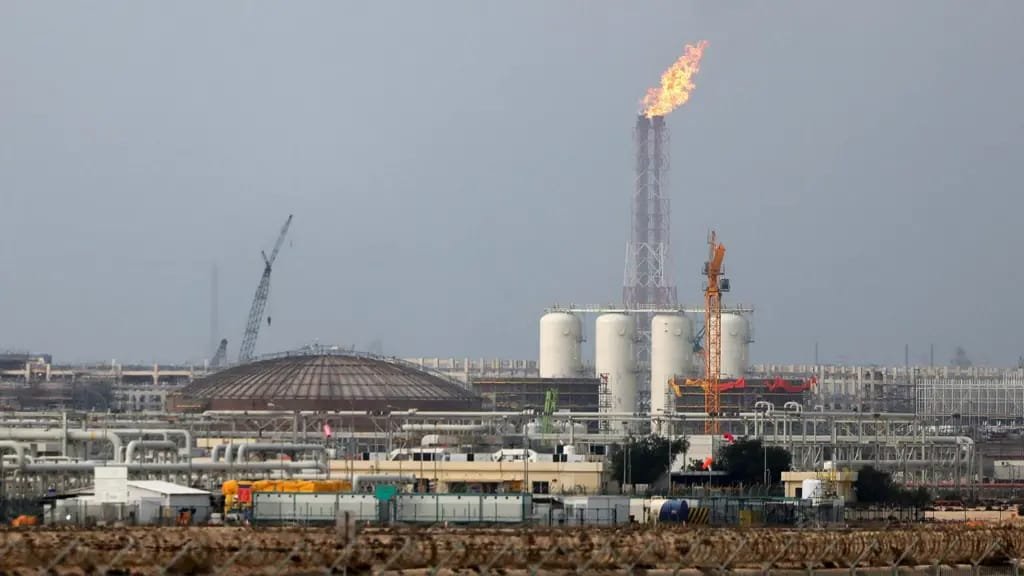
Gas prices across the United Kingdom and Europe have surged sharply following coordinated attacks on key energy infrastructure in Qatar and Iran, intensifying fears of a global energy crisis.
The escalation comes amid ongoing conflict in the Middle East, where Iranian strikes targeted major liquefied natural gas (LNG) facilities, including critical infrastructure in Qatar; one of the world’s largest gas exporters. The attacks forced production shutdowns and disrupted global supply chains, particularly affecting Europe’s already fragile energy market.
As a result, benchmark European gas prices have spiked dramatically, with reports indicating increases of over 20% in recent trading sessions. In the UK, wholesale gas prices have also jumped significantly, reaching their highest levels since 2022.
The situation has been worsened by disruptions in the Strait of Hormuz, a critical shipping route through which a significant portion of the world’s LNG supply passes. Tanker traffic has slowed or halted due to security risks, tightening supply, and pushing prices even higher.
Qatar’s suspension of LNG production following the attacks has further deepened the crisis. As one of the top global suppliers, any disruption to its output has immediate ripple effects on both European and Asian markets.
Energy analysts warn that if the conflict persists, gas and electricity prices could continue to rise, placing additional pressure on households and industries. Countries heavily reliant on gas imports are expected to be the hardest hit, with potential increases in electricity costs and inflation.
In the UK, rising wholesale prices are already translating into higher projected energy bills, with regulators expected to adjust price caps in the coming months if volatility continues.
The latest developments have also triggered instability in global financial markets, as investors react to the growing risk of prolonged disruption to energy supplies.

A traditional ruler in Nigeria has taken major steps to strengthen security within his domain by acquiring a surveillance drone and recruiting 118 security personnel amid rising concerns over safety.
The monarch announced the initiative as part of a broader strategy to tackle criminal activities, including kidnapping, armed robbery, and other threats affecting residents. According to sources within the community, the newly recruited personnel will work alongside existing local vigilante groups and security agencies to enhance intelligence gathering and rapid response.
The deployment of a drone is expected to significantly improve surveillance capabilities, particularly in hard-to-reach areas such as forests and rural boundaries, often used by criminal elements as hideouts.
Community leaders have welcomed the move, describing it as a proactive and technology-driven approach to addressing insecurity. They noted that the combination of manpower and modern equipment could help deter crime and restore confidence among residents.
Security experts say the initiative reflects a growing trend where traditional institutions and local authorities are stepping in to complement government efforts in combating insecurity across various parts of the country.
While the development has been widely praised, some observers have also called for proper coordination with official security agencies to ensure accountability and prevent overlaps in operations.
The monarch reaffirmed his commitment to protecting lives and property, stating that the safety of his people remains his top priority.

Uber has announced plans to invest up to $1.25 billion in electric vehicle maker Rivian as part of a major push into the fast-growing robotaxi market.
The deal will see Uber and its partners initially acquire about 10,000 fully autonomous vehicles based on Rivian’s upcoming R2 model, with an option to expand the fleet to as many as 50,000 units in the coming years.
The partnership is expected to roll out its first robotaxi services in cities such as San Francisco and Miami starting in 2028, with a broader expansion planned across up to 25 cities in the United States, Canada, and Europe by 2031.
Uber’s investment will be made over several years and is tied to Rivian achieving key milestones in autonomous driving technology. The company has committed an initial $300 million, with additional funding dependent on progress toward full self-driving capabilities.
The move marks a significant step in Uber’s strategy to position itself as a central platform for autonomous ride-hailing services, despite not developing its own self-driving technology. Instead, the company is partnering with multiple firms to build a large-scale robotaxi network.
For Rivian, the agreement represents a major boost as it expands beyond electric trucks and SUVs into autonomous mobility. The collaboration is also expected to accelerate the development of advanced driverless systems and strengthen its presence in the competitive electric vehicle market.
Industry analysts say the partnership highlights intensifying competition in the global robotaxi race, as companies invest heavily in autonomous technology to shape the future of transportation.
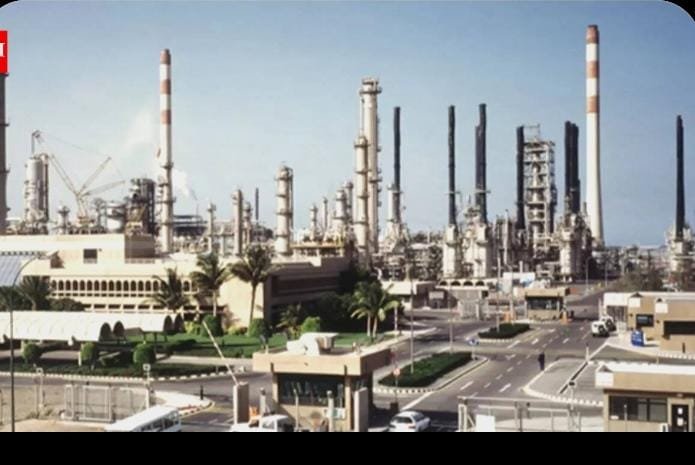
A drone has struck a major oil refinery in Yanbu, Saudi Arabia, as Iran intensifies retaliatory attacks across the Gulf following recent Israeli strikes on its energy infrastructure.
Saudi Arabia’s Ministry of Defence confirmed that the drone hit the SAMREF refinery, a key facility on the Red Sea coast capable of processing about 400,000 barrels of oil per day. Authorities said the impact caused limited damage and no casualties, though the full extent of the disruption is still being assessed.
The attack comes as part of a broader wave of Iranian missile and drone strikes targeting critical oil and gas infrastructure across the region, including facilities in Qatar, Kuwait, and the United Arab Emirates.
The escalation follows an earlier Israeli strike on Iran’s South Pars gas field; one of the world’s largest, prompting Tehran to retaliate against energy assets it considers linked to its adversaries.
Saudi air defences reportedly intercepted additional incoming threats aimed at the Yanbu port, highlighting the scale of the coordinated assault.
Despite the attack, oil loading operations at Yanbu have resumed after a temporary suspension, suggesting that the damage may not significantly affect Saudi export capacity in the short term.
However, the strike has heightened fears of wider disruption to global energy supplies. Brent crude prices have surged above $115 per barrel, reflecting growing concerns about instability in one of the world’s most critical oil-producing regions.
Analysts warn that continued attacks on energy infrastructure could trigger prolonged supply shocks, further driving up fuel prices and increasing the risk of a broader regional conflict