
General News
Gas Prices Surge in UK, Europe After Attacks on Qatar, Iran Energy Facilities

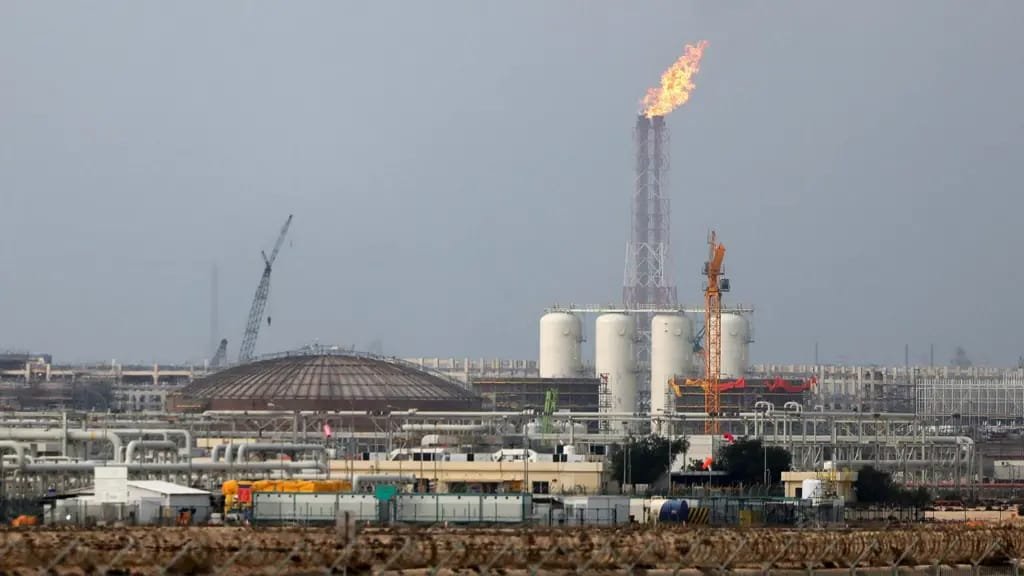
Gas prices across the United Kingdom and Europe have surged sharply following coordinated attacks on key energy infrastructure in Qatar and Iran, intensifying fears of a global energy crisis.
The escalation comes amid ongoing conflict in the Middle East, where Iranian strikes targeted major liquefied natural gas (LNG) facilities, including critical infrastructure in Qatar; one of the world’s largest gas exporters. The attacks forced production shutdowns and disrupted global supply chains, particularly affecting Europe’s already fragile energy market.
As a result, benchmark European gas prices have spiked dramatically, with reports indicating increases of over 20% in recent trading sessions. In the UK, wholesale gas prices have also jumped significantly, reaching their highest levels since 2022.
The situation has been worsened by disruptions in the Strait of Hormuz, a critical shipping route through which a significant portion of the world’s LNG supply passes. Tanker traffic has slowed or halted due to security risks, tightening supply, and pushing prices even higher.
Qatar’s suspension of LNG production following the attacks has further deepened the crisis. As one of the top global suppliers, any disruption to its output has immediate ripple effects on both European and Asian markets.
Energy analysts warn that if the conflict persists, gas and electricity prices could continue to rise, placing additional pressure on households and industries. Countries heavily reliant on gas imports are expected to be the hardest hit, with potential increases in electricity costs and inflation.
In the UK, rising wholesale prices are already translating into higher projected energy bills, with regulators expected to adjust price caps in the coming months if volatility continues.
The latest developments have also triggered instability in global financial markets, as investors react to the growing risk of prolonged disruption to energy supplies.