
International
Germany Cuts Fuel Taxes as Middle East Energy Shock Drives Up Pump Prices

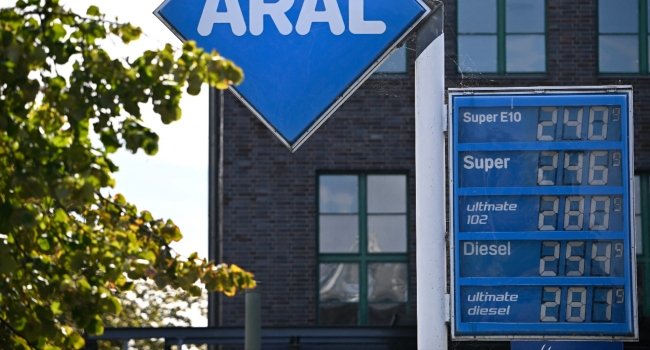
Germany has begun a temporary reduction in fuel taxes aimed at easing the pressure of sharply higher petrol and diesel prices triggered by the continuing conflict and disruption in global energy markets.
The measure took effect on October 1, 2026, with the federal government reducing the energy tax on petrol and diesel by 14 cents per litre. Including the associated reduction in value-added tax, the total relief is expected to amount to about 17 cents per litre. The measure will remain in place until the end of December.
The German government and the states are expected to spend about €2.5 billion on the latest relief package, which is intended to help households, commuters and businesses cope with the surge in fuel costs.
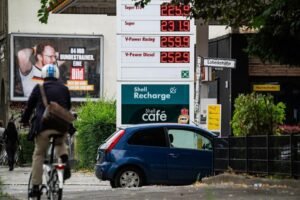
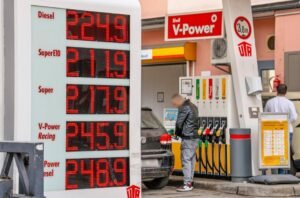
The tax reduction came as German motorists faced record or near-record prices at filling stations. According to Germany’s automobile association ADAC, petrol prices fell by roughly 14 cents per litre on the first day of the measure, while diesel prices dropped by about 15 cents compared with the previous day.
However, the reduction has also drawn criticism from motorists and economists who argue that the relief may not fully reach consumers or may disproportionately benefit people who drive frequently and use larger vehicles.
AFP reported that some German motorists described the reduction as insufficient given the overall level of fuel prices. Motoring organisations have also raised concerns about whether the full benefit of the government measure will be passed on at the pump.
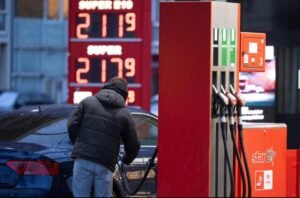
The concern partly reflects Germany’s experience with an earlier fuel-tax reduction introduced in May and June. According to Germany’s Monopolies Commission, energy companies retained around €200 million of the €1.6 billion provided by the government during that earlier programme.
Germany’s latest intervention comes amid a wider European response to the energy shock. Several governments have introduced fuel-tax reductions, subsidies or other measures as crude oil and refined fuel prices have risen sharply. Brent crude moved above $102 per barrel on September 30, adding to pressure on consumers and businesses across Europe.
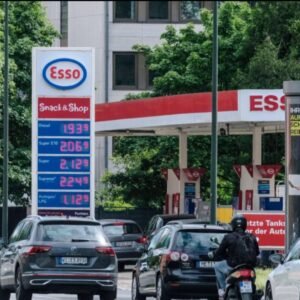
The German government says the country’s physical supply of petrol and diesel remains secure. It also says Germany imports only about 6 per cent of its crude oil directly from the Middle East, with significant supplies coming from Norway, the United States, Libya and the United Kingdom.
The government is also considering further measures if the crisis persists. It plans discussions with the oil industry with the aim of introducing a temporary fuel-price cap from January 2027, while authorities are investigating whether some refiners may have engaged in abusive pricing practices.
Germany’s inflation rate reached 3.3 per cent in September, its highest level since December 2023, with energy inflation rising particularly sharply. The latest fuel-tax reduction is therefore being introduced against a wider backdrop of rising household and business costs.