Energy
Group Raises Concern Over Costly Carbon Credit System Hindering Solar Growth in Nigeria

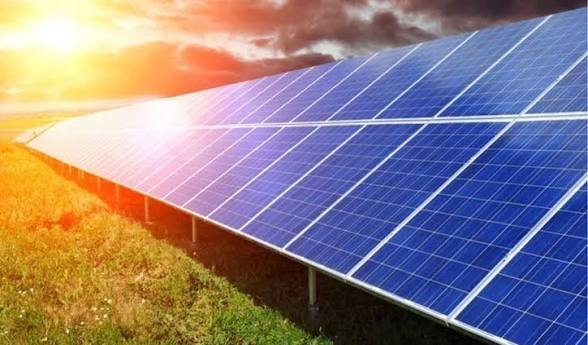
Vectar Energy Nigeria Limited has raised concerns over the high cost and complexity of carbon credit verification in Nigeria, warning that the situation is slowing down the expansion of distributed solar energy and limiting access to affordable electricity.
Speaking at a stakeholders’ consultative forum in Abuja, the company’s founder, Deborah Fadeyi, said Nigeria’s distributed solar sector is at a critical turning point, but is being held back not by lack of demand or technology, but by limited access to credible and scalable climate finance.
Fadeyi noted that Africa faces an estimated $12.5 billion annual electricity access financing gap, stressing the need for innovative solutions. She introduced the proposed “ecoWise Distributed Solar Programme,” designed to support solar projects across Nigeria in generating high-integrity carbon credits.
According to her, the stakeholder consultations are aimed at gathering feedback on the programme’s design, environmental and social safeguards, as well as the monitoring and verification systems required for carbon credit generation.
Also speaking, Carbon Lead Consultant Michael Ozulu explained that the ecoWise initiative would deploy a digital monitoring, reporting, and verification (MRV) platform to track and validate solar energy generation. He said the system would work with mini-grid operators, commercial solar providers, and asset owners across multiple sectors.
Ozulu highlighted the environmental urgency, noting that increased reliance on fossil fuels such as petrol, kerosene, and diesel contributes to rising global temperatures, flooding, and extreme weather patterns. He added that millions of Nigerians still lack reliable electricity, with an estimated 22 million generators in daily use across the country.
Programme Director Rinret Best explained that the initiative would aggregate distributed solar projects nationwide into a unified, verified framework aligned with international standards, enabling broader participation in carbon markets.
Similarly, Carbon Programme Delivery Lead Kashema Bahago emphasised that solar energy remains a viable long-term solution to Nigeria’s power challenges, noting that inadequate electricity supply continues to hamper both household welfare and industrial development.
The group urged policymakers and stakeholders to simplify carbon credit processes and reduce associated costs to unlock investment and accelerate Nigeria’s transition to clean and sustainable energy.