
International
Iran Fires Missiles at Israel as U.S. Senate Blocks Move to Limit Trump’s War Powers


Iran launched a fresh wave of missiles at Israel early Thursday, forcing millions of residents into bomb shelters as the war involving the United States, Israel, and Iran entered its sixth day.
Air raid sirens were reported in several Israeli cities as defence systems moved to intercept the incoming missiles. The attack marks another escalation in the rapidly widening conflict following the U.S. and Israeli strikes on Iranian targets earlier in the week.
The latest development came hours after the U.S. Senate voted against a motion aimed at halting the American air campaign against Iran and requiring congressional authorization for continued military action.
Lawmakers voted 53–47 not to advance the resolution, largely along party lines. Most Republicans voted to preserve President Donald Trump’s authority to direct the war, while Democrats backed the effort to force congressional approval under the War Powers Act.
The vote leaves Trump with broad powers to continue military operations as tensions intensify across the region.
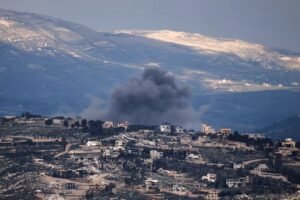
Meanwhile, the conflict
expanded beyond the Middle East on Wednesday when a U.S. submarine sank an Iranian naval warship near Sri Lanka, reportedly killing at least 80 sailors. Authorities said dozens were rescued while others remain missing.
In another development, NATO air defence systems intercepted and destroyed an Iranian ballistic missile heading toward Turkey, marking the first direct threat to a NATO member since the conflict began.

The growing hostilities have raised international concerns about a wider regional confrontation as Iran continues retaliatory strikes and U.S. and allied forces respond.
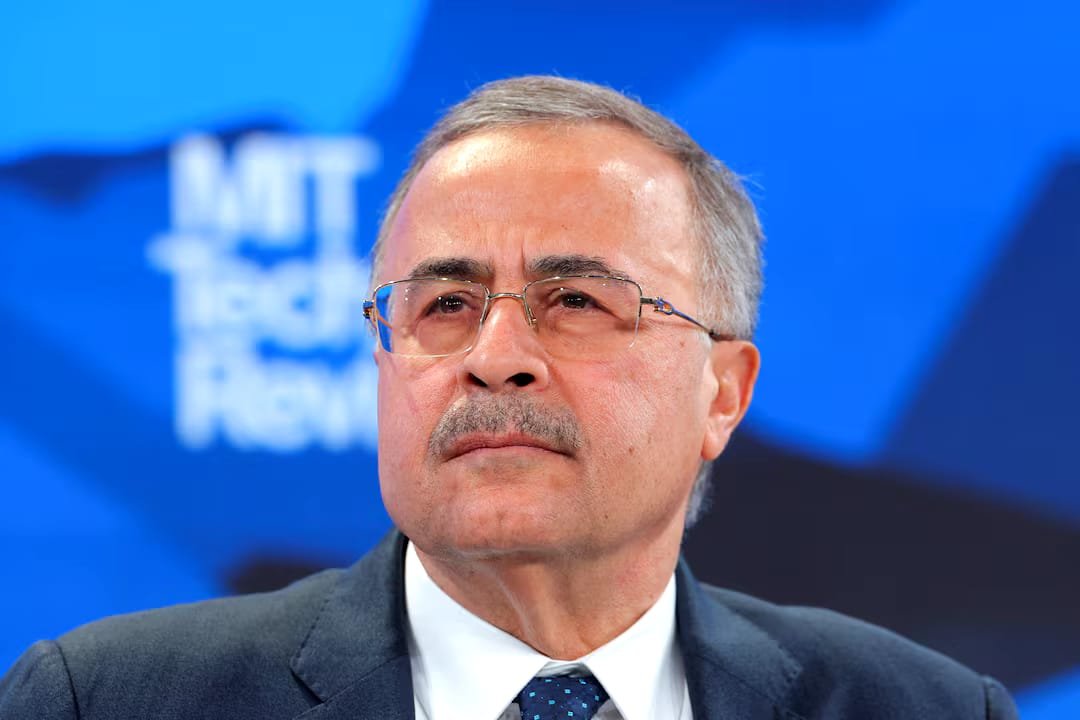
Saudi Aramco, one of the world’s largest oil producers, has warned that global energy markets could face “catastrophic consequences” if the strategic Strait of Hormuz remains blocked amid escalating tensions in the Middle East.
The warning was issued by Aramco’s Chief Executive Officer, Amin Nasser, who said any prolonged disruption to shipments through the narrow waterway would severely affect global oil supplies and trigger significant volatility in energy markets.
The Strait of Hormuz is regarded as one of the most critical oil transit routes in the world, with about one-fifth of global oil consumption passing through the channel daily. A sustained blockade, analysts warn, could remove millions of barrels of crude from international markets, sending prices sharply higher and disrupting global trade.
The warning comes as tensions escalate between Iran and the United States following threats from Iran’s Revolutionary Guards to halt oil exports from the region if attacks by the U.S. and Israel continues.
Energy experts say such a move could trigger one of the most severe supply disruptions in decades, with ripple effects across industries including aviation, shipping, manufacturing, and agriculture.
Despite the growing uncertainty, Saudi Aramco said it is exploring alternative supply routes and using its infrastructure, including pipelines connecting the Persian Gulf to the Red Sea, to ensure the continued flow of oil to global markets.
However, market analysts caution that these alternatives may only partially offset the impact if the Strait of Hormuz remains closed for an extended period.
International
Iran Tightens Grip on Strait of Hormuz, Offers Conditional Passage to Europe and Arab States
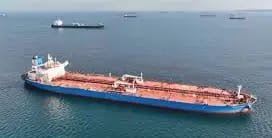
Iran has announced that it may allow conditional safe passage through the strategic Strait of Hormuz for ships from certain European and Arab countries, as tensions continue to escalate in the Middle East.
The offer was reportedly made by Iran’s powerful Islamic Revolutionary Guard Corps (IRGC), which said vessels belonging to countries that take specific political steps against the United States and Israel could be granted unrestricted transit through the waterway.
According to reports carried by Iranian state media, the condition includes expelling U.S. and Israeli ambassadors or distancing themselves diplomatically from the ongoing military campaign against Iran. Countries that comply could be allowed to move their ships safely through the strait despite the ongoing conflict.
The announcement comes amid a deepening regional crisis triggered by ongoing military confrontations involving Iran, the United States, and Israel. The conflict has disrupted maritime traffic in the Strait of Hormuz; one of the world’s most critical energy corridors.
Roughly one-fifth of the world’s oil and significant volumes of liquefied natural gas pass through the narrow waterway between Iran and Oman, making it a vital artery for global energy supplies.
Shipping activity in the area has already slowed significantly as oil tankers and cargo vessels avoid the route due to security concerns. Industry sources say several shipping companies have suspended operations through the strait, raising fears of supply disruptions and sharp increases in global oil prices.
Analysts say Iran’s conditional offer appears to be a strategic attempt to exert political pressure on Western allies while maintaining economic ties with countries willing to distance themselves from Washington and Tel Aviv.
The Strait of Hormuz remains one of the most sensitive geopolitical flashpoints in the world, and any prolonged disruption could have far-reaching consequences for global energy markets and international trade.

Madagascar’s President Michael Randrianirina has dismissed his Prime Minister and the entire cabinet, further deepening the political turbulence gripping the Indian Ocean island nation.
The move, announced on Monday, March 9, 2026, came nearly five months after Randrianirina seized power in a controversial transition of authority in October 2025 following weeks of youth‑led protests that ultimately forced out his predecessor, Andry Rajoelina.
President Randrianirina’s spokesperson, Harry Laurent Rahajason, said in an official statement that the government has “ceased its functions” and that a new prime minister will be appointed soon in accordance with constitutional procedures. No specific reason was given for the dismissal.
In the interim, secretaries‑general of each ministry have been tasked with managing day‑to‑day government operations until a successor administration is formed.
The dismissed prime minister, Herintsalama Rajaonarivelo, was appointed in October 2025 shortly after Randrianirina took over leadership of the country. His departure marks another chapter in Madagascar’s ongoing governance reshuffle during a period of heightened political uncertainty.
Political analysts say the shake‑up reflects deep divisions within Malagasy politics and ongoing efforts by Randrianirina to consolidate authority, even as calls for a clearer roadmap to elections and civilian governance persist from regional partners and international observers.