International
Iran Tightens Grip on Strait of Hormuz, Offers Conditional Passage to Europe and Arab States

Iran has announced that it may allow conditional safe passage through the strategic Strait of Hormuz for ships from certain European and Arab countries, as tensions continue to escalate in the Middle East.
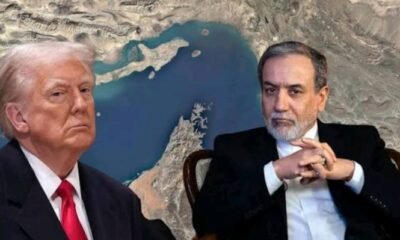
The offer was reportedly made by Iran’s powerful Islamic Revolutionary Guard Corps (IRGC), which said vessels belonging to countries that take specific political steps against the United States and Israel could be granted unrestricted transit through the waterway.
According to reports carried by Iranian state media, the condition includes expelling U.S. and Israeli ambassadors or distancing themselves diplomatically from the ongoing military campaign against Iran. Countries that comply could be allowed to move their ships safely through the strait despite the ongoing conflict.
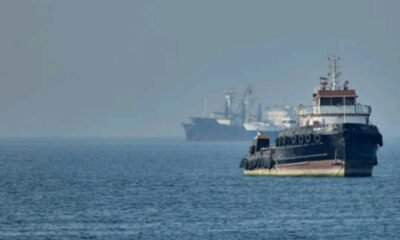
The announcement comes amid a deepening regional crisis triggered by ongoing military confrontations involving Iran, the United States, and Israel. The conflict has disrupted maritime traffic in the Strait of Hormuz; one of the world’s most critical energy corridors.
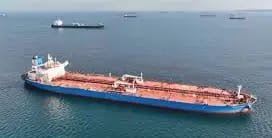
Roughly one-fifth of the world’s oil and significant volumes of liquefied natural gas pass through the narrow waterway between Iran and Oman, making it a vital artery for global energy supplies.
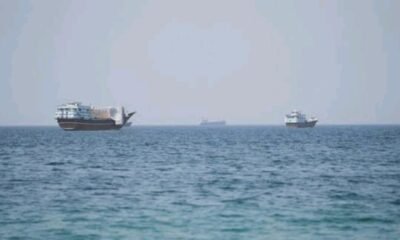
Shipping activity in the area has already slowed significantly as oil tankers and cargo vessels avoid the route due to security concerns. Industry sources say several shipping companies have suspended operations through the strait, raising fears of supply disruptions and sharp increases in global oil prices.
Analysts say Iran’s conditional offer appears to be a strategic attempt to exert political pressure on Western allies while maintaining economic ties with countries willing to distance themselves from Washington and Tel Aviv.
The Strait of Hormuz remains one of the most sensitive geopolitical flashpoints in the world, and any prolonged disruption could have far-reaching consequences for global energy markets and international trade.