International
Iran Tightens Grip on Strait of Hormuz as Trump Rejects ‘Blackmail’

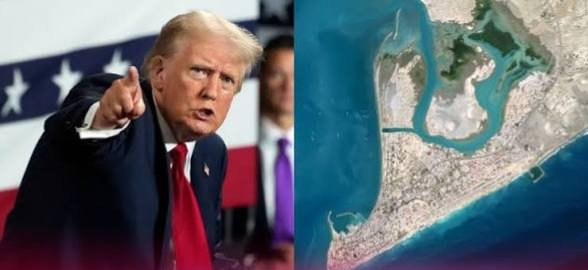
Iran has tightened its control over the strategic Strait of Hormuz, warning that the vital shipping route is once again under strict military oversight, a move that has heightened tensions with the United States.
Iranian authorities said the action was in response to what they described as a continued U.S. blockade of its ports, which they labelled a violation of an existing ceasefire agreement.
Officials also signalled readiness to escalate, with the country’s leadership warning of further military consequences if provoked.
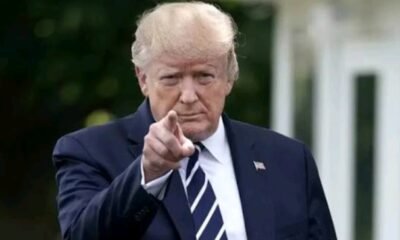
However, U.S. President Donald Trump dismissed Tehran’s actions, insisting Iran could not “blackmail” Washington by restricting access to the narrow waterway, through which a significant portion of global oil supplies passes.
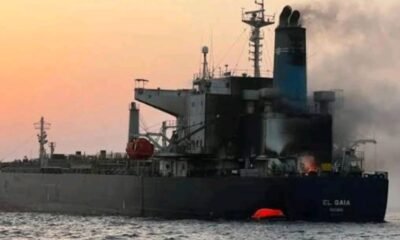
Shipping and maritime sources reported rising insecurity in the area, with at least two vessels allegedly coming under attack while attempting to transit the strait.
India confirmed that two of its flagged ships were affected, summoning the Iranian ambassador to express concern over the incidents.
Iran’s state media indicated that the country now intends to enforce stricter control over the passage, including demanding payments tied to security, safety, and environmental services for vessels navigating the route.
The development has cast fresh uncertainty over the ongoing conflict involving Iran, with fears that disruption to oil and gas shipments could worsen global energy instability.
The strait had briefly reopened following a recent ceasefire arrangement, allowing limited tanker movement, but the latest announcement suggests a reversal of that progress.
Earlier signs of easing tensions, including the movement of a convoy of oil tankers, have now given way to renewed restrictions, as ships reportedly received warnings from Iran’s navy prohibiting passage.
Despite the escalation, Trump said diplomatic engagement was ongoing, describing talks as “very good,” though he acknowledged that no concrete agreement had yet been reached.
He also warned that hostilities could resume if a broader peace deal is not secured before the current ceasefire expires.
The conflict, which began earlier this year, has already had far reaching consequences, including rising oil prices, disruption of global shipping routes, and mounting geopolitical tensions across the Middle East.
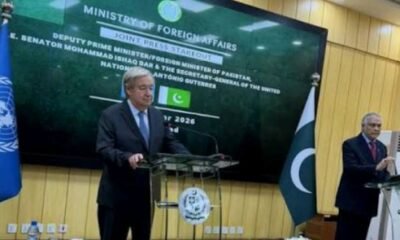
While mediation efforts, including those involving Pakistan, continue, no date has been fixed for the next round of negotiations.
Both sides have floated proposals, but key differences remain, particularly over nuclear restrictions and long term security guarantees.
As uncertainty lingers, hundreds of vessels and thousands of seafarers remain stranded in the Gulf, awaiting clarity on whether safe passage through one of the world’s most critical energy corridors will resume.