
International
Japan Turns to Used Cooking Oil in Push for Sustainable Aviation Fuel


Japan is stepping up nationwide efforts to collect used cooking oil from households and businesses as it races to expand the production of Sustainable Aviation Fuel (SAF), a cleaner alternative to conventional jet fuel that is central to the country’s decarbonization strategy.
The initiative forms part of Japan’s broader goal of sourcing 10 percent of its aviation fuel needs from sustainable sources by 2030. Government agencies, airlines, energy companies, retailers, and local authorities have joined forces under projects such as “Fry to Fly,” which encourages citizens to recycle used cooking oil that can be converted into aviation fuel.

According to industry estimates, Japan aims to produce about 1.7 million kilolitres of sustainable aviation fuel annually by the end of the decade. However, current domestic production remains far below that target, prompting authorities and private companies to intensify collection efforts and expand refining capacity.
Japanese energy firms, including major refiners, are investing in facilities capable of transforming waste cooking oil into low-carbon jet fuel. One of the country’s first large-scale SAF production plants has already commenced operations, producing fuel from used cooking oil collected across Japan.

Officials say household participation is becoming increasingly important because Japan already collects most available waste oil from restaurants and commercial food businesses. New collection points are being established in supermarkets, community centers, and other public locations to increase the volume of feedstock available for fuel production.
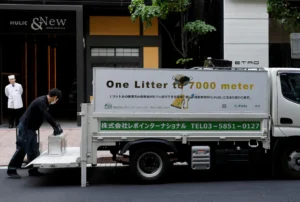
Industry experts caution that even if Japan successfully captures all available domestic waste cooking oil, the supply may still be insufficient to meet future SAF demand. As a result, the country is expected to rely partly on imports and emerging technologies such as bioethanol-based aviation fuel to bridge the gap.
The aviation sector is under growing pressure worldwide to reduce carbon emissions. Sustainable Aviation Fuel is regarded as one of the most viable short-term solutions because it can be used in existing aircraft with minimal modifications while significantly reducing lifecycle greenhouse gas emissions compared to conventional jet fuel.
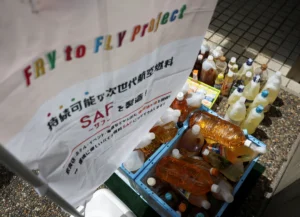
Japan’s renewed focus on cooking oil recycling reflects a broader global trend as countries and airlines seek cleaner fuel alternatives to meet climate commitments and support the transition toward more sustainable air travel.