
International
Hungary’s President Agrees to Step Down After Parliament Votes to Remove Him

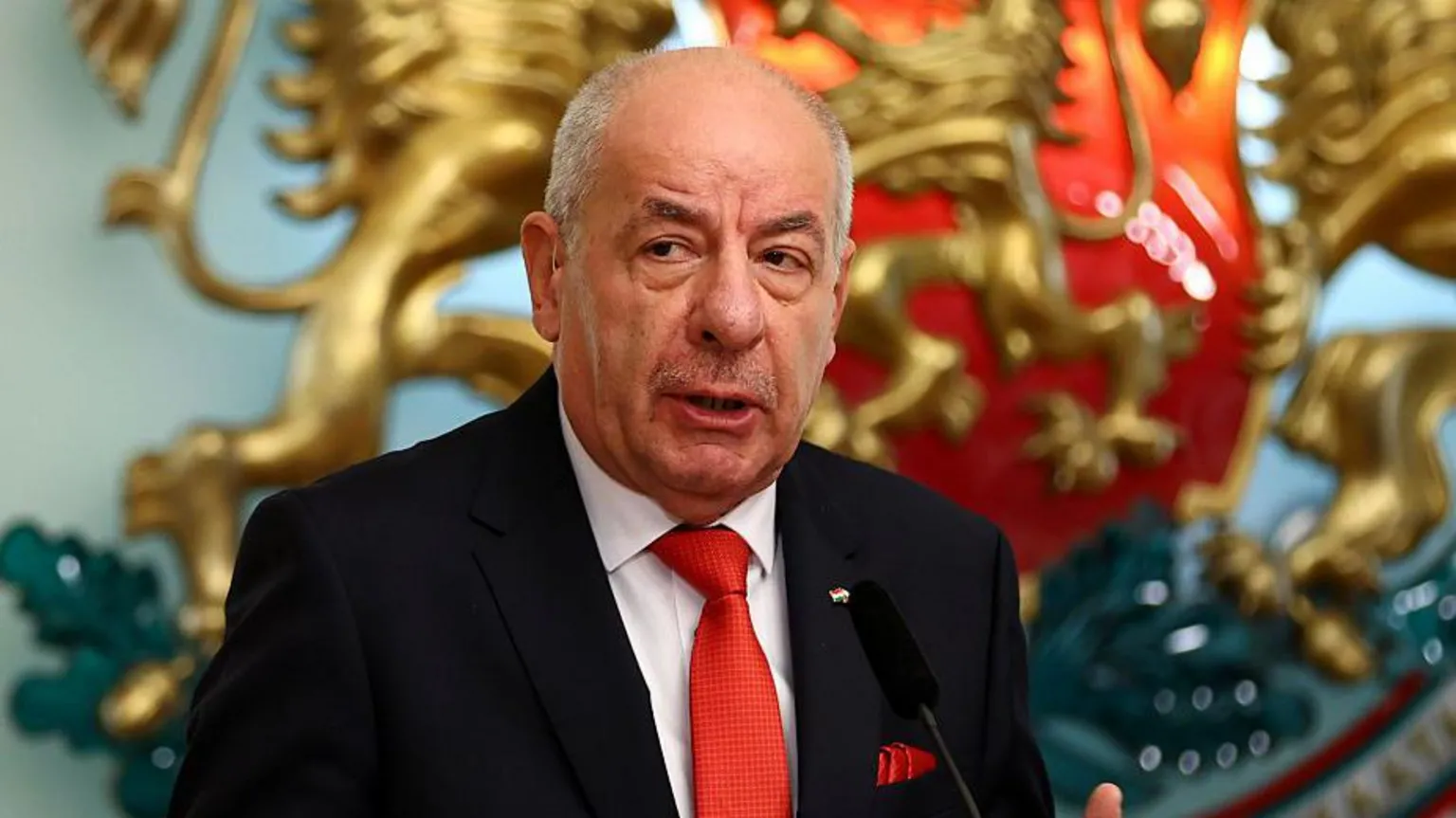
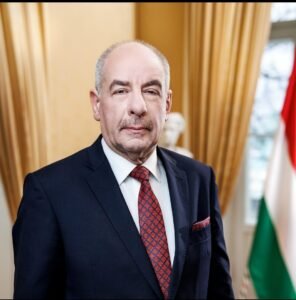
Hungarian President Tamás Sulyok has agreed to step down after signing into law a constitutional amendment that immediately ends his presidency, bringing to a close a political standoff with the country’s new government and marking one of the most significant institutional changes since the April elections.
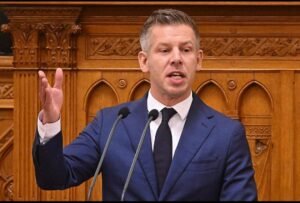
The amendment was passed by Hungary’s parliament after the governing Tisza Party, led by Prime Minister Péter Magyar, used its two-thirds parliamentary majority to approve sweeping constitutional reforms. The legislation cited a “serious loss of confidence” in Sulyok, who had previously refused calls to resign despite repeated demands from the new administration.

Although Sulyok signed the amendment into law, he made clear that he disagreed with the decision. In a public statement, the outgoing president argued that the move represented a setback for Hungary’s democratic institutions and the rule of law. Nevertheless, he said he was constitutionally obliged to sign the legislation once it had been approved by parliament.
The political confrontation stems from Hungary’s dramatic change in leadership earlier this year. In April, Péter Magyar’s pro-European Tisza Party defeated former Prime Minister Viktor Orbán and his Fidesz party in a landslide election, ending Orbán’s 16 years in power. Since taking office in May, Magyar’s government has pledged to dismantle institutions established under the previous administration, arguing that they weakened democratic checks and balances.
Government officials have maintained that removing Sulyok was necessary because he was elected during Orbán’s administration and failed to challenge what they describe as years of democratic backsliding. The constitutional amendment is part of a broader package of reforms intended to reshape Hungary’s political and judicial system.
Beyond ending the president’s term, the amendment introduces several major institutional reforms. These include a 12-year term limit for members of parliament, mandatory retirement at age 70 for Constitutional Court judges, the creation of a new anti-corruption office, and additional judicial reforms aimed at strengthening oversight and accountability.

Critics, including former Prime Minister Viktor Orbán and members of the opposition Fidesz party, have condemned the move as politically motivated and warned that it sets a dangerous precedent by allowing a parliamentary majority to remove a sitting president through constitutional changes. Orbán has described the reforms as an abuse of power, while government supporters argue they are essential to restoring democratic governance.

With Sulyok’s departure taking effect at midnight Monday, Parliament Speaker Ágnes Forsthoffer will assume the role of interim president. Under Hungarian law, parliament now has up to 30 days to elect a new head of state.
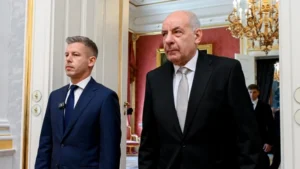
The removal of Hungary’s president underscores the speed and scale of political change following April’s election. While supporters see the reforms as the beginning of a democratic renewal after years of Orbán’s dominance, opponents fear the new government’s rapid restructuring of state institutions could create fresh constitutional and political tensions in the months ahead.