
International
Albertans Vote on Path to Independence as Carney Campaigns to Keep Canada United

Voters in Canada’s oil-rich province of Alberta are heading to the polls on Monday to decide whether the provincial government should begin the legal process for a future binding referendum on independence, in a vote that has intensified debate over national unity.
The referendum is not a direct vote on whether Alberta should leave Canada. Instead, voters are being asked whether the province should remain part of the country or take the constitutional steps required to hold a subsequent binding vote on separation.

Canadian Prime Minister Mark Carney has urged Albertans to reject the proposal, warning that the process could create prolonged political and economic uncertainty at a time when Canada is confronting trade tensions with the United States and threats from US President Donald Trump.
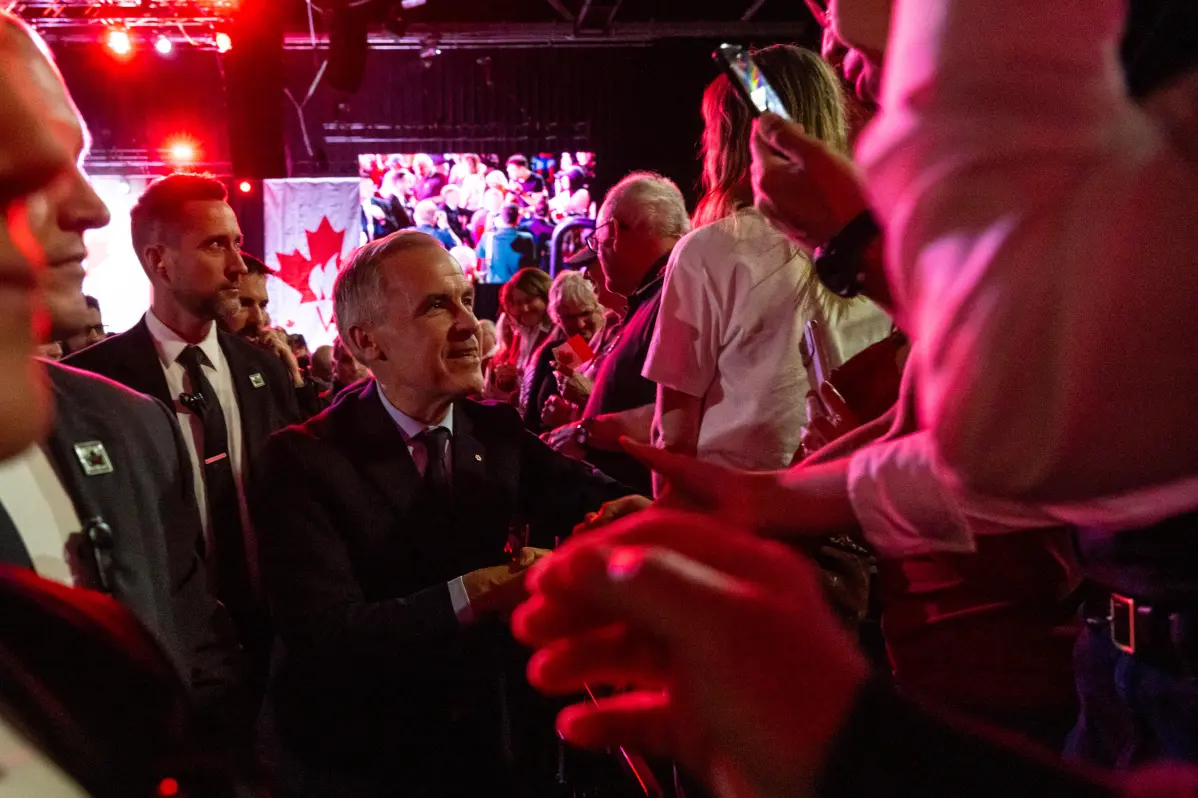
Carney, who grew up in Alberta, spent days campaigning for national unity, appealing to provincial pride and arguing that the country would be better positioned to address economic and security challenges if it remained united.

“Vote like Canada’s future depends on it because it does,” Carney told a pro-Canada rally in Edmonton ahead of the vote.
The independence movement has gained visibility amid longstanding complaints that the federal government’s environmental and energy policies have constrained Alberta’s oil industry. The province holds substantial petroleum reserves and is a major contributor to Canada’s energy sector.

Separatist campaigners argue that Alberta’s economic contributions are not adequately reflected in federal decision-making. Some also cite disputes over resource development, federal regulation and the handling of the COVID-19 pandemic as reasons for seeking greater autonomy.
Alberta Premier Danielle Smith called the referendum following pressure from separatist supporters within her governing United Conservative Party, although she has said she wants the province to remain in Canada. She has indicated that a majority in favour of advancing the process would lead her government to pursue a binding independence referendum.
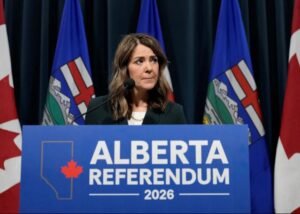
Opinion polling ahead of Monday’s vote suggested that most Albertans preferred to remain in Canada. An Angus Reid survey reported by Reuters found that 66 per cent intended to vote to stay, while the campaign has nevertheless mobilised a significant section of the electorate around demands for a new relationship with Ottawa.
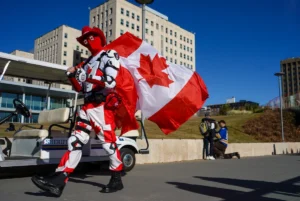
Turnout is expected to be an important factor. More than 1.35 million Albertans had already voted through advance or special ballots, representing approximately 43 per cent of eligible voters, according to the Associated Press.
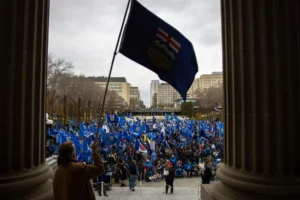
The outcome could influence relations between Alberta and the federal government even if voters reject the proposal. Separatist campaigners have said they intend to continue pressing their demands, while opponents hope a clear result will reduce uncertainty surrounding the province’s future.
Any eventual separation would involve substantial constitutional and political negotiations, including questions about Indigenous treaty rights, borders, currency, public finances and defence. Indigenous leaders have also challenged the idea that Alberta could leave Canada without addressing the rights and treaty relationships of First Nations.

The vote comes as Carney seeks to maintain a united Canadian position amid US trade pressure and renewed debate over the country’s economic future. Alberta’s decision could shape the next stage of its relationship with Ottawa, but Monday’s ballot alone will not make the province independent.