
International
Azerbaijan’s Hijab Restrictions Trigger Rare Protests, 37 Detained

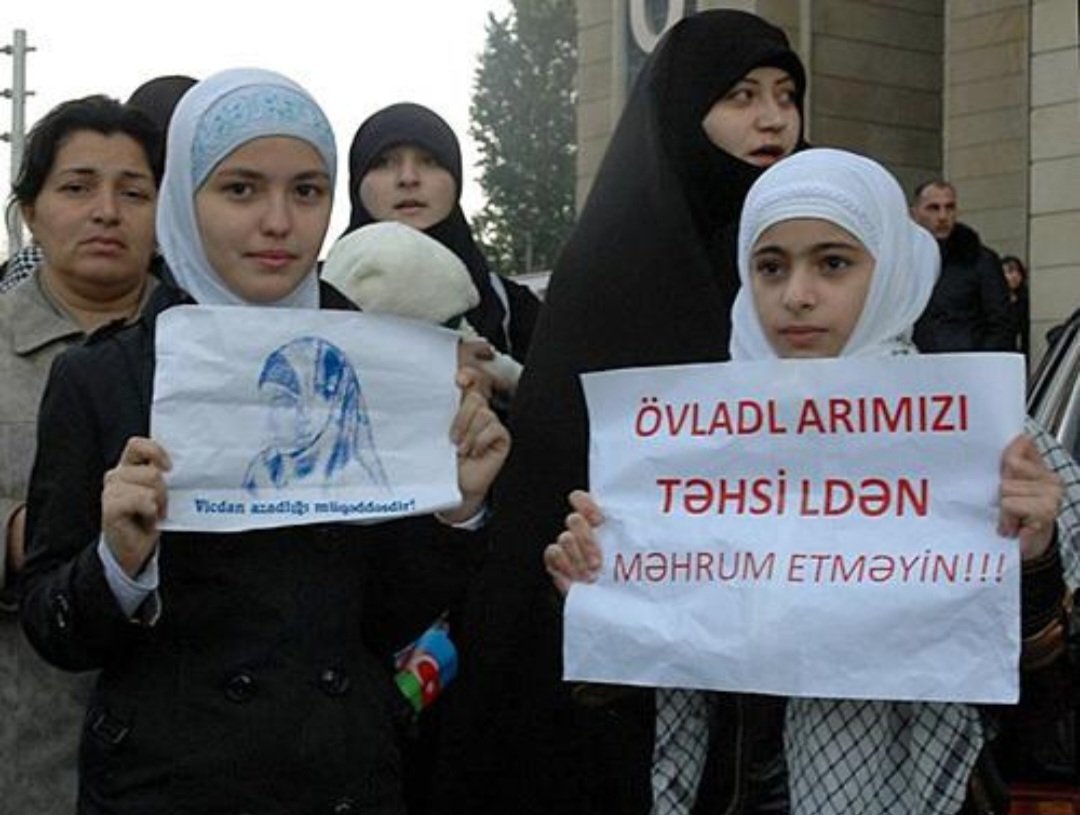
Azerbaijan’s new school uniform restrictions have sparked rare public protests, class boycotts and the detention of 37 people, while triggering an unusual diplomatic dispute with long-time ally Turkey.
The controversy followed amendments to school uniform regulations approved on September 21, which prohibit clothing considered inconsistent with official uniform requirements or the secular character of public education. Although the rules do not explicitly name the Islamic hijab, some schools have reportedly turned away female students wearing headscarves. Similar restrictions have also affected teachers.
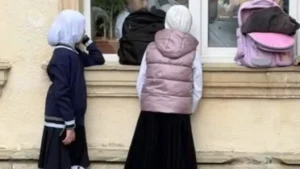
Videos shared on social media show hijab-wearing schoolgirls questioning school officials and protesting their exclusion from classrooms. Local reports say students at some schools boycotted lessons in opposition to the restrictions, while parents and religious-rights advocates have argued that the measures interfere with freedom of religion and access to education.
Azerbaijan’s Interior Ministry said 37 people were detained on October 12 in connection with disturbances during protests against enforcement of the rules. Authorities said the detentions related to alleged disruption of public order, while critics have raised concerns about the government’s handling of dissent.
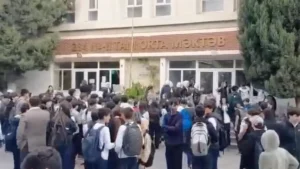
The dispute has also exposed tensions between Azerbaijan’s secular education policy and the religious practices of many of its citizens. The country is predominantly Muslim, but its constitution defines it as a secular state, separates religion from government and guarantees freedom of conscience. Supporters of the uniform rules say they promote consistency and preserve the secular character of public schools; opponents argue that students should not be denied education because of religious clothing.

The controversy has spilled into relations with Turkey, one of Azerbaijan’s closest allies. Oktay Saral, an adviser to Turkish President Recep Tayyip Erdoğan, criticised the restrictions as unacceptable and called on Baku to reverse the decision, arguing that wearing a headscarf for religious reasons should not prevent a student from attending school.
Azerbaijan’s governing Yeni Azerbaijan Party pushed back, describing the Turkish criticism as irresponsible and warning Ankara against interfering in its domestic affairs. The party said the rules were based on equality, secularism and the rule of law, underscoring the sensitivity of the dispute between the two countries, often described by their leaders as “one nation, two states”.
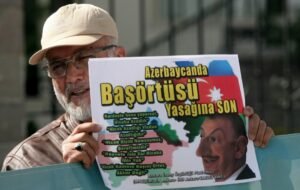
The issue has prompted demonstrations beyond Azerbaijan, including protests outside the country’s consulate in Istanbul. The dispute is drawing renewed attention to the balance between secular state policies, religious freedom and the right to education.

The immediate question is whether Azerbaijani authorities will reconsider how the uniform rules are enforced or maintain the restrictions despite public opposition and criticism from a key regional partner.