
International
911 Calls Reveal Delays in Emergency Response After Failed Execution of Christa Pike

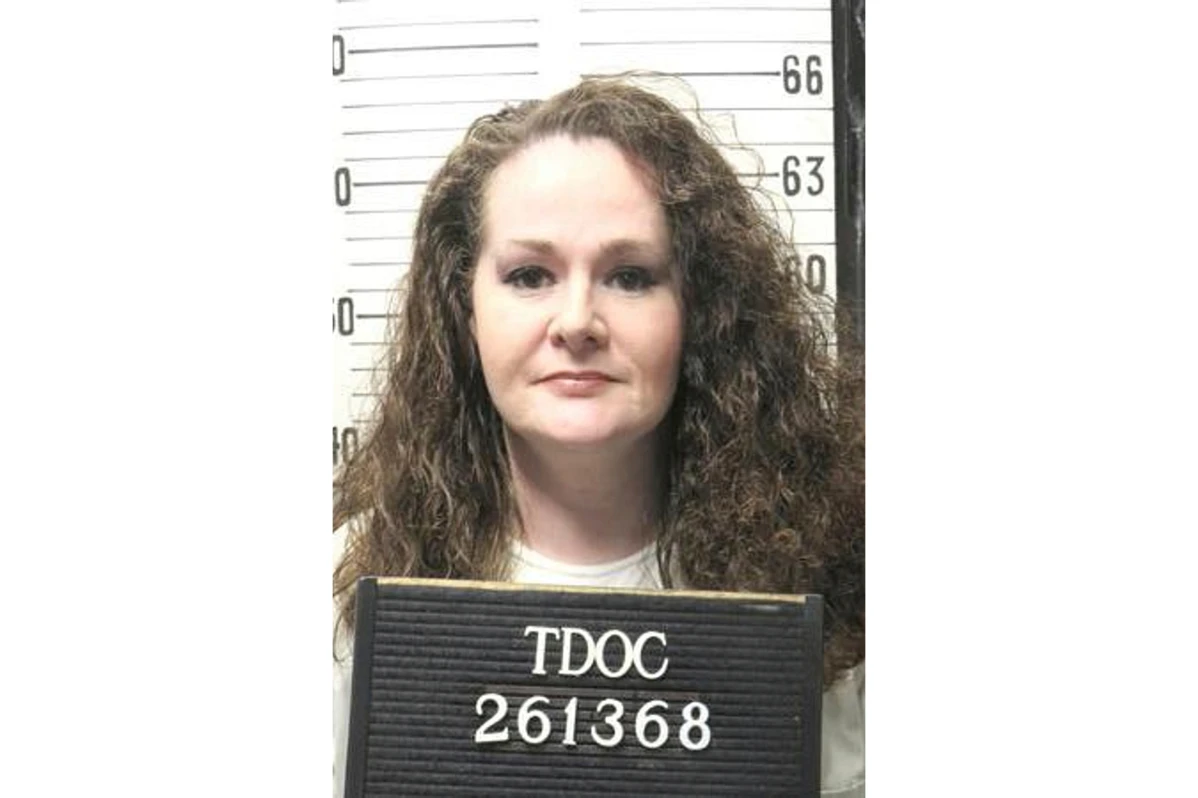
Emergency medical assistance for death-row inmate Christa Pike was delayed for more than 30 minutes following a failed execution attempt in Tennessee, United States, as confusion among prison officials and emergency responders left them struggling to establish whether the call for help was genuine, newly released 911 recordings have revealed.
The recordings, obtained by The Associated Press through a public records request, relate to the September 30, 2026, execution attempt at Riverbend Maximum Security Institution in Nashville. Pike, 50, survived after being administered two doses of pentobarbital, the drug used in the state’s lethal-injection procedure.
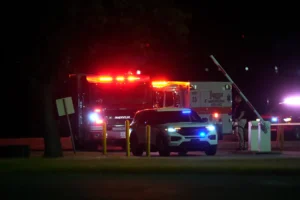
The first emergency call was made at about 8:40 p.m., just over an hour after the execution attempt began. The caller told the dispatcher that the prison had administered the drug but Pike was still alive and an ambulance was needed. However, the caller could not provide a verification code requested by the dispatcher, complicating efforts to confirm the emergency.
The confusion deepened when a dispatcher said at about 9:03 p.m. that supervisors had classified the call as false. Four minutes later, a responder reported that someone claiming to be a state official was waiting at the prison gate and insisting that the emergency was real.
Prison officials subsequently confirmed the request, and emergency responders were allowed to enter at approximately 9:11 p.m. The recordings have raised serious questions about communication between the prison, emergency dispatchers and responding agencies during a potentially life-threatening situation.

Pike was taken to hospital in critical condition and was placed on a ventilator. Her lawyers initially feared she might not survive, but she regained consciousness and later began speaking and walking with assistance. She was discharged from hospital on October 10 and returned to Tennessee’s Debra K. Johnson Rehabilitation Center, where she had been held for decades.
Pike was sentenced to death for the 1995 torture, beating and stabbing death of her classmate, Colleen Slemmer, who was 19. The failed execution has renewed scrutiny of Tennessee’s lethal-injection procedures, although state officials have not publicly established the precise cause of the failure. Medical experts have raised questions about whether problems with the intravenous line prevented the drug from entering her bloodstream as intended.
Tennessee Governor Bill Lee suspended further executions for the remainder of 2026 and ordered a review following the incident. The state’s prison leadership has also faced consequences, while Pike’s case has intensified debate over execution procedures, accountability and the treatment of prisoners during capital punishment.
It remains unclear whether Tennessee will attempt to execute Pike again. The newly released recordings have added another layer of concern to an already unprecedented case, shifting attention not only to why the execution failed, but also to why emergency assistance was not promptly admitted when Pike was found to be alive.