
International
France Imposes Curfews in Paris, Other Cities After Weekend Riots

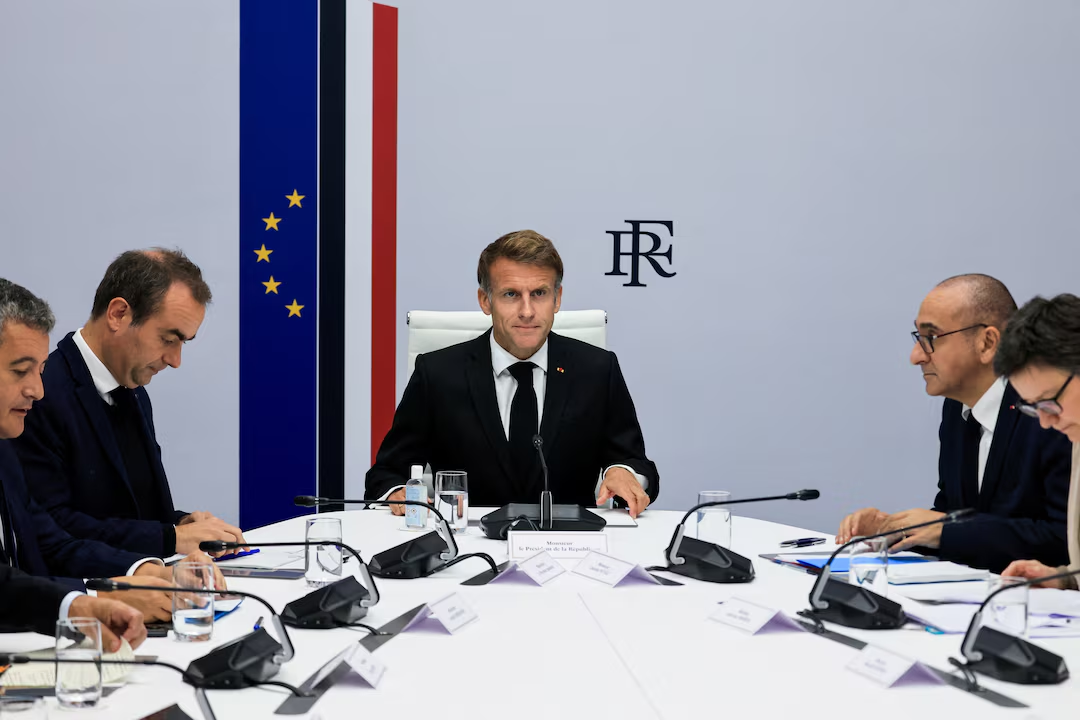
French authorities have imposed overnight curfews in parts of Paris and several other cities following a weekend of violent protests, looting and clashes with police that left businesses and public buildings damaged across the country.
The restrictions were introduced on Monday, October 19, after demonstrations over the rising cost of living and pressure on public services escalated into some of France’s worst street violence in recent years.
In Paris, police ordered a curfew from 11 p.m. on Monday until 6 a.m. on Tuesday around Place de la République and the Les Halles shopping district. Authorities also banned gatherings and demonstrations in designated areas from 8 p.m.
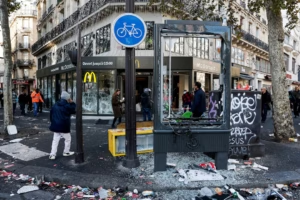
In northern France, curfews were introduced from 8 p.m. to 6 a.m. on Monday and Tuesday nights in four cities, including Lille. Nice separately announced overnight restrictions for minors in parts of the city.
Prime Minister Sébastien Lecornu said the government favoured localised and partial curfews rather than imposing restrictions across entire cities. He said the measures were intended to protect residents and businesses and prevent further looting.
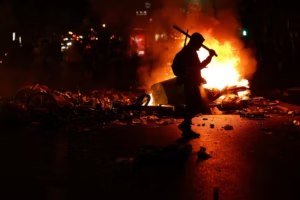
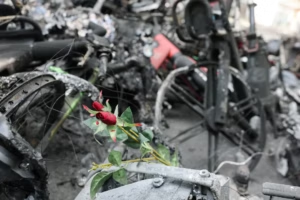
The unrest followed weeks of student demonstrations and wider public protests over living costs and concerns about the condition of public services, including education. During the weekend, violence spread across several urban centres, with shops looted, vehicles and other objects set on fire, and clashes between demonstrators and security personnel.
Authorities reported about 2,400 arrests during the weekend. The government also said thousands of businesses had been damaged or looted, while a town hall in the central city of Limoges was set on fire.
Interior Minister Laurent Nuñez acknowledged that police had lost control in some areas during the unrest. He offered his resignation amid criticism of the security response, but President Emmanuel Macron rejected it and called for greater transparency about failures in planning and intelligence gathering.
The government has also announced measures to help businesses affected by the violence, including support intended to prevent employers from laying off workers. Investigators are examining footage and online material to identify people suspected of looting and damaging property.
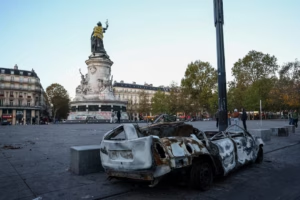
Lecornu blamed far-left groups for instigating some of the violence, but left-wing political leader Jean-Luc Mélenchon challenged the accusation and called on the prime minister to provide evidence.
The unrest has added to pressure on Macron’s government as France faces economic difficulties and prepares for the next presidential election in 2027. Local leaders have criticised the authorities’ preparations, saying the scale of the violence overwhelmed security deployments in several areas.
Although the government has not imposed a nationwide curfew, officials have warned that further restrictions could be introduced if violence resumes. Police and local authorities are continuing to monitor the situation as calls for additional demonstrations and strikes emerge.
The immediate priority for the government is to restore public order, protect businesses and residents, and address questions about how the weekend’s violence was able to spread across multiple cities.