
International
Nicaragua’s President Ortega Moves to Extend His 20-Year Rule, Says No Plans for Future Elections

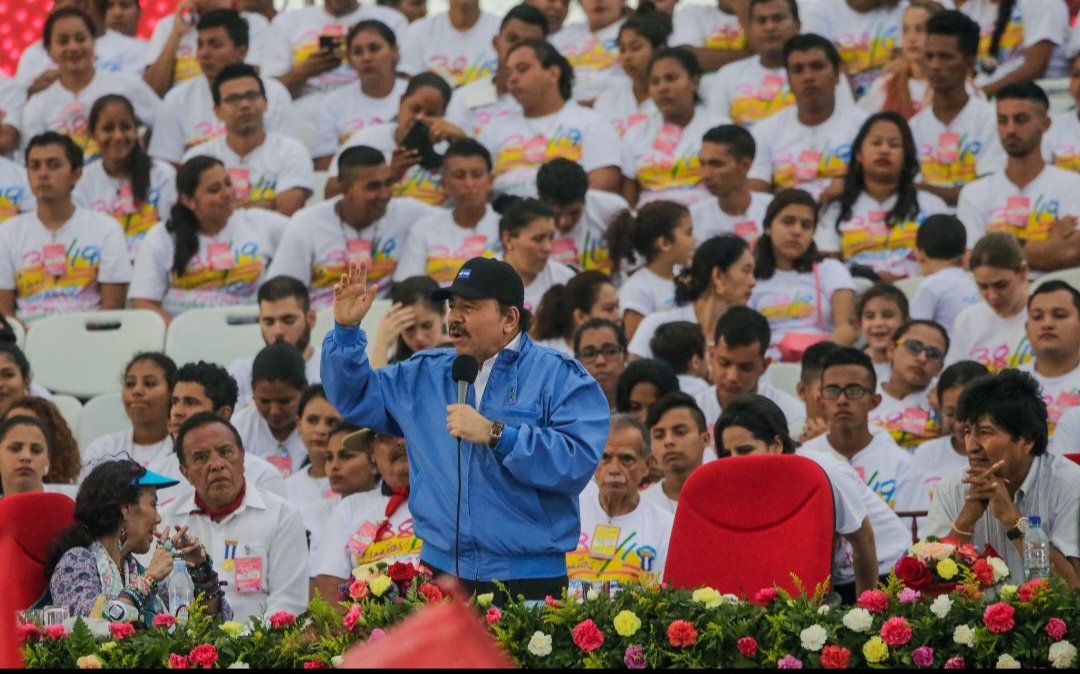
Nicaraguan President Daniel Ortega has declared that his country will not hold elections “anytime soon,” a dramatic announcement that further entrenches his nearly two decades in power and has drawn fresh criticism from opposition leaders and international observers who accuse his government of dismantling democracy. The remarks came during celebrations marking the 47th anniversary of the Sandinista Revolution in Managua.
Ortega said Nicaragua would no longer allow political forces that he described as being backed by foreign interests to return to power through elections. He argued that past electoral processes had enabled what he called “coup plotters” and opponents aligned with the United States to threaten national sovereignty. He added that his government would work with the National Assembly to introduce laws preventing such groups from participating in future political contests.
The announcement effectively ends expectations that Nicaragua would hold its next presidential election, which had been scheduled for 2027 after constitutional reforms approved in 2025 extended the presidential term from five to six years. Those reforms also formalized a co-presidency system, elevating Ortega’s wife, Rosario Murillo, to the position of co-president and further consolidating the family’s control over the state.
Ortega, now 80, first came to power as a leader of the Sandinista Revolution that overthrew the Somoza dictatorship in 1979. After serving as president during the 1980s, he returned to office in 2007 and has since steadily expanded executive authority through constitutional changes, judicial rulings and electoral reforms. Critics say those measures have weakened democratic institutions and concentrated power in the presidency.
Opposition figures, many of whom are living in exile, condemned Ortega’s latest declaration as confirmation that Nicaragua has abandoned competitive democracy. Former presidential hopeful Félix Maradiaga described the move as evidence that the government no longer believes it can maintain power through free elections, while other dissidents warned that the country is moving closer to one-party rule.
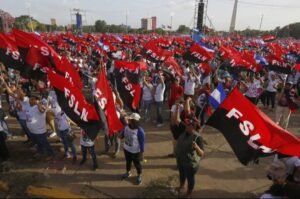
Human rights organizations also expressed alarm, noting that Nicaragua has faced years of international criticism over the imprisonment of opposition politicians, closure of independent media outlets, revocation of citizenship for government critics and restrictions on civil society groups. Since the nationwide protests of 2018, international watchdogs have repeatedly accused the Ortega administration of widespread political repression and human rights abuses, allegations the government denies.
The latest announcement is expected to intensify diplomatic pressure on Managua. The United States, the European Union and several Latin American governments have previously imposed sanctions on senior Nicaraguan officials over concerns about democratic backsliding. Analysts say Ortega’s declaration could lead to renewed international isolation and additional punitive measures against his administration.
For many Nicaraguans, Ortega’s statement marks a historic turning point. While supporters argue that his government has delivered stability and defended national sovereignty, critics contend that eliminating the prospect of future elections removes one of the last remaining democratic mechanisms for political change. The coming months are likely to determine how the international community responds to what many observers see as Nicaragua’s most explicit move yet toward indefinite authoritarian rule.