
International
US Pump Prices Cross $4 Again as Renewed Middle East Fighting Fuels Energy Fears

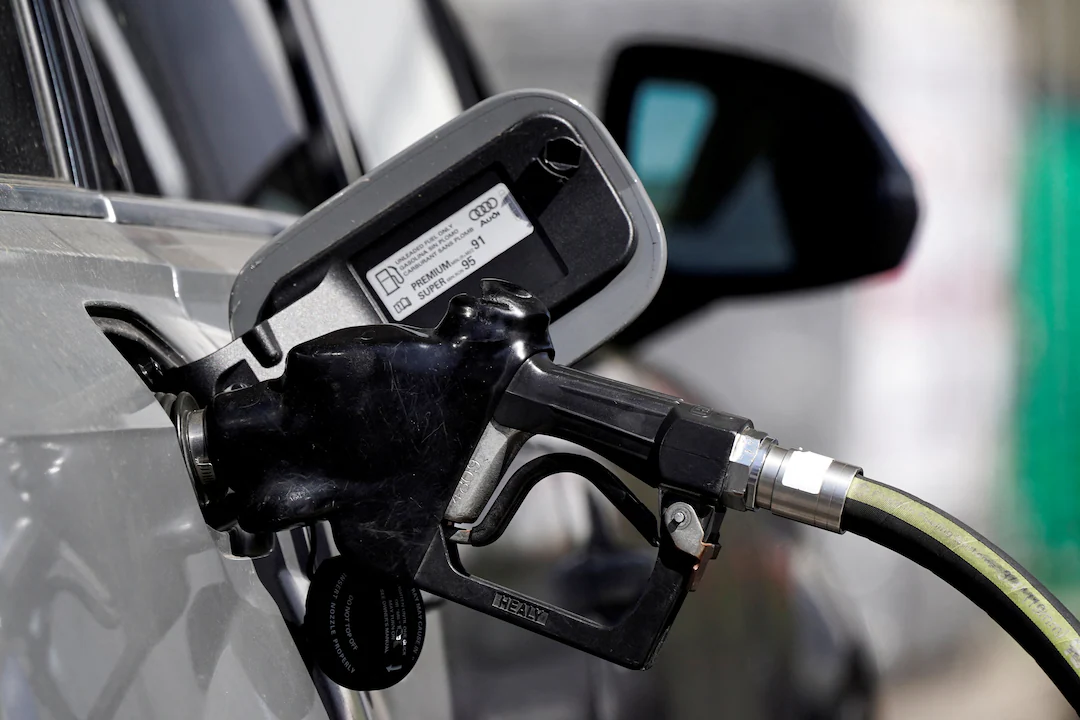
The average price of gasoline across the United States has climbed above $4 per gallon once again, as renewed fighting in the Middle East rattles global energy markets and raises fears of prolonged disruptions to oil supplies. The latest increase follows escalating hostilities involving the United States and Iran, which have threatened shipping through the Strait of Hormuz, one of the world’s most critical oil transit routes.
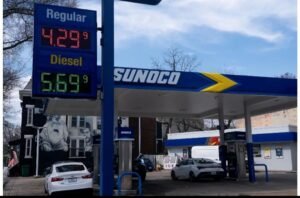
According to data from the American Automobile Association (AAA), the national average retail gasoline price reached $4.003 per gallon on Monday, marking the first time prices have crossed the psychologically significant $4 threshold since late March. The figure represents an increase of more than 30% since the conflict intensified earlier this year.

Energy analysts attribute the surge primarily to uncertainty surrounding crude oil supplies. The Strait of Hormuz handles a substantial share of the world’s seaborne oil exports, and any disruption to traffic through the waterway quickly affects global oil prices. Renewed military exchanges have increased shipping risks, insurance costs and concerns over supply shortages, pushing crude prices sharply higher.
Beyond geopolitical tensions, market experts say global fuel supplies are already under pressure. Reduced refining capacity in parts of Asia and the Middle East, lower-than-average U.S. fuel inventories and continuing attacks on Russian energy infrastructure have tightened global supplies, making gasoline markets particularly vulnerable to further price spikes.
Benchmark oil prices have responded accordingly. Brent crude briefly climbed above $90 per barrel before easing, while West Texas Intermediate (WTI) also posted strong gains. Analysts warn that any further escalation in the Middle East could send crude prices back toward or above the $100-per-barrel mark, increasing pressure on motorists and businesses alike.
The rise in fuel prices is expected to have wider economic consequences. Higher gasoline costs typically feed into transportation, manufacturing and food prices, potentially slowing progress in reducing inflation. Economists caution that sustained increases in energy costs could complicate the U.S. Federal Reserve’s monetary policy outlook and weigh on consumer spending.

The price surge also carries significant political implications. With U.S. midterm elections approaching, the renewed increase in gasoline prices is likely to intensify pressure on President Donald Trump and his administration, which had previously highlighted falling fuel prices as evidence of improving economic conditions. Rising costs at the pump could become a major campaign issue if energy markets remain volatile in the coming months.

Industry observers say motorists should brace for continued volatility. While any diplomatic breakthrough could ease pressure on oil markets, continued conflict around the Strait of Hormuz or additional disruptions to global energy infrastructure could drive gasoline prices even higher during the peak summer driving season. For millions of American households already grappling with higher living costs, the return of $4-a-gallon fuel underscores how geopolitical crises can quickly ripple through the global economy.