
International
Toxic Haze From Indonesia Wildfires Spreads Across Southeast Asia, Reaching Malaysia and Philippines

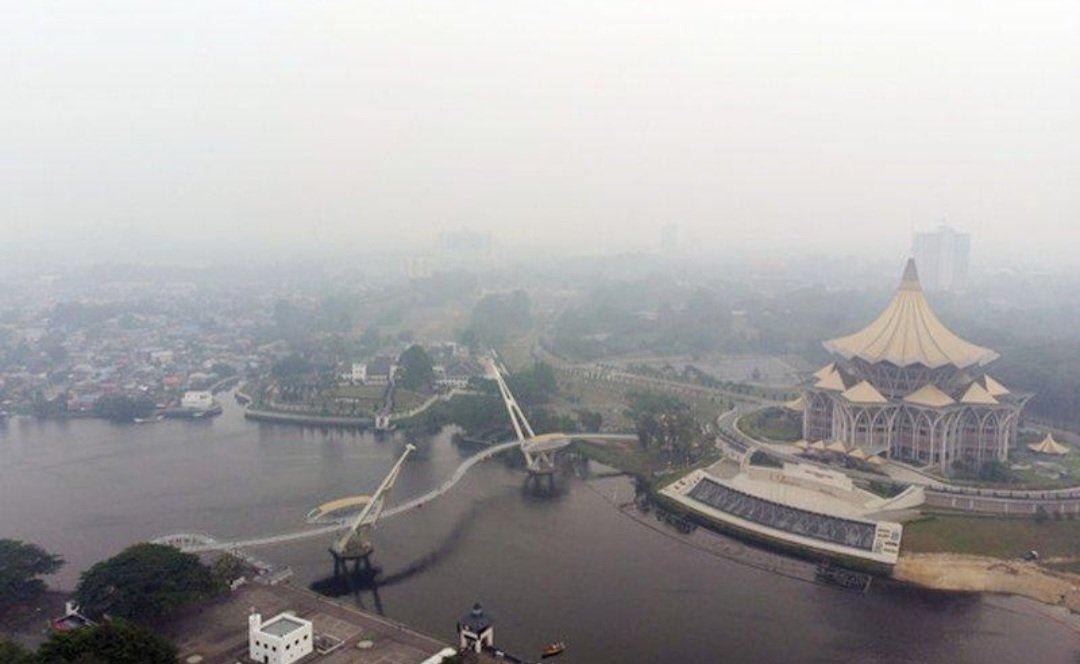
A thick blanket of smoke from Indonesia’s raging forest and land fires is spreading across Southeast Asia, pushing air pollution to hazardous levels in parts of Malaysia and the Philippines and raising fresh concerns about public health.
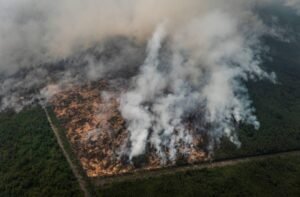
The fires, which have burned across parts of Sumatra and Kalimantan, have been intensified by exceptionally hot and dry conditions associated with a strong El Niño weather pattern. Indonesian authorities are battling thousands of fire hotspots as they try to prevent the flames and smoke from spreading further.
The resulting haze has become a cross-border environmental crisis, with millions of people exposed to unhealthy air.
Malaysia’s Sarawak state, on the island of Borneo and directly across the border from Indonesia’s Kalimantan region, has been among the worst affected.
Air quality in several parts of Sarawak has reached hazardous levels. Kuching recorded an air-pollution reading above 400, while other areas also reported readings above 300, levels considered hazardous to health.
The deteriorating conditions have already disrupted daily life. Schools have been closed in some affected areas, while authorities have advised residents to reduce outdoor activities and take precautions against prolonged exposure to the smoke.
Sarawak officials are also considering cloud seeding in an attempt to trigger rainfall and help suppress the fires and clear the polluted air.
The haze has also reached parts of Peninsular Malaysia, Brunei and Singapore.
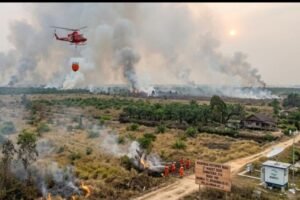
The impact has extended even farther east, with haze from fires in Indonesian Kalimantan reaching the Philippines.
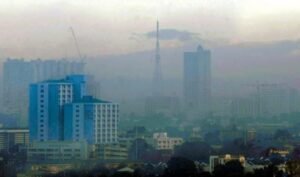
Authorities and air-quality monitors have reported deteriorating conditions in parts of the country, including Metro Manila and Luzon. Philippine weather officials have warned that the haze could affect western portions of the country.
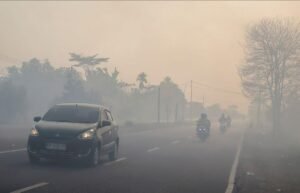
Images from Manila have shown the city’s normally distinctive skyline obscured by a layer of haze.
The Philippine authorities have urged vulnerable people, particularly those with respiratory conditions, to take precautions when air quality deteriorates.
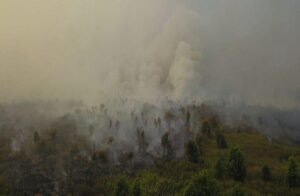
Indonesia remains at the centre of the crisis.
The country has deployed firefighters, military and police personnel, helicopters and aircraft to tackle fires in several provinces. Authorities have also used cloud seeding in an effort to produce rain over fire-affected areas.
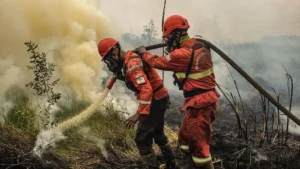
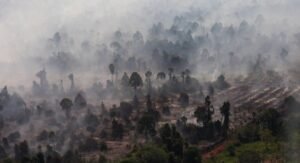
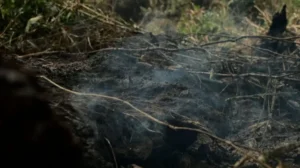
The fires have been particularly difficult to control because many are burning in peatlands, where flames can continue smouldering underground and re-emerge even after appearing to have been extinguished.
Reuters reported that almost 95,000 hectares were burned in July alone, while more than 9,000 hotspots were detected in August. Fire-related carbon emissions have also surged dramatically.
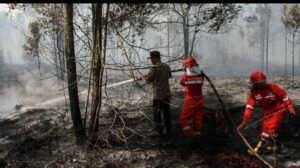
Indonesian authorities are investigating companies whose concession areas contain fires. The government has identified dozens of high-risk sites and is examining whether fires were deliberately started for land clearing or resulted from other causes.
The haze contains fine particulate pollution that can penetrate deep into the lungs, creating particular risks for children, older people and those with existing respiratory problems.
In some Indonesian communities, thousands of people have sought medical attention for respiratory illnesses, while schools have been forced to move classes online because of dangerous air conditions.
On September 2, about 1.4 million Indonesian students across six provinces were moved to remote learning because of hazardous air quality.
Wildlife is also being affected. Rescue groups have been working to save orangutans trapped in or near fire zones, with at least one rescued animal suffering respiratory problems after prolonged exposure to smoke.
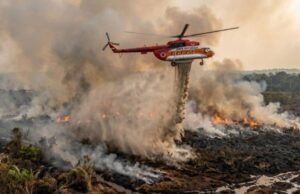
Authorities face a difficult month ahead.
Indonesia’s forestry minister has warned that efforts to contain the fires could become more challenging as El Niño reaches its peak in September, bringing hotter and drier conditions that allow fires to spread more easily.
The current crisis has revived memories of the devastating 2015 Southeast Asian haze, when massive Indonesian fires sent dangerous smoke across several countries.
For now, governments across the region are monitoring air quality closely as firefighters continue battling the flames and winds carry smoke beyond Indonesia’s borders.
What began as fires concentrated in parts of Indonesia has once again become a regional public-health and environmental emergency, with communities from Borneo to Manila breathing polluted air.