
International
Investigation Raises Questions Over DEA Response to Major Fentanyl Operations

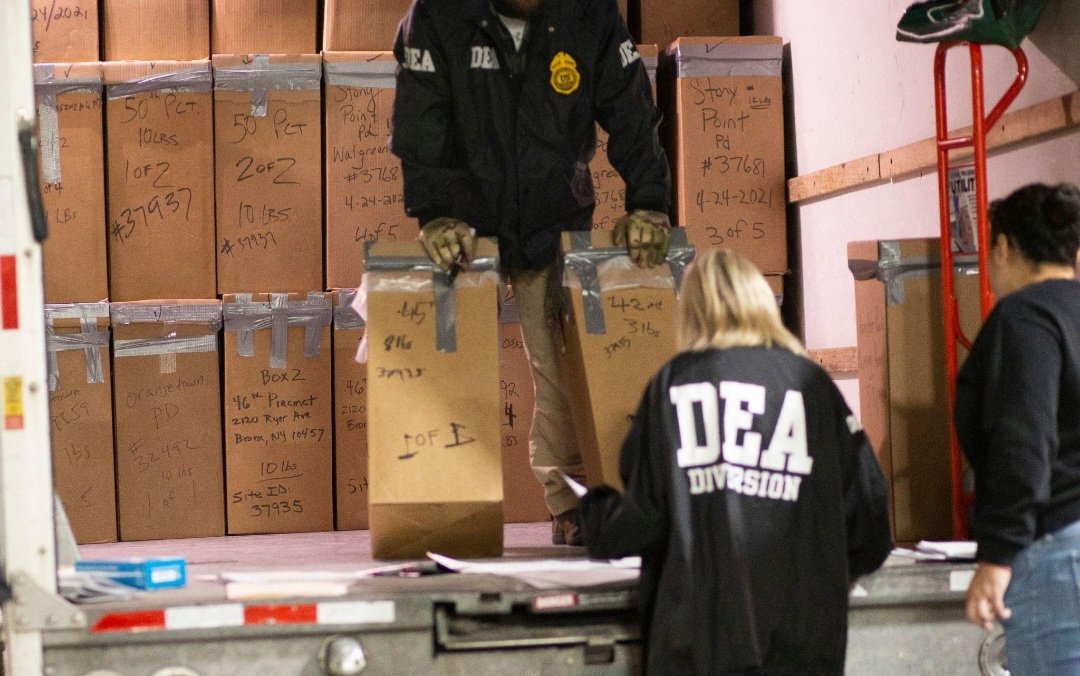
Newly disclosed records have raised serious questions about the handling of major fentanyl trafficking investigations by the Drug Enforcement Administration, suggesting that large quantities of the deadly synthetic opioid reached American communities while federal agents monitored trafficking networks without taking immediate enforcement action.
According to investigative findings based on law enforcement records and internal documents, authorities tracked the movement of substantial amounts of fentanyl through criminal distribution channels over an extended period. Critics argue that opportunities to intervene and seize drugs may have been missed, allowing dangerous quantities of fentanyl to enter local markets.

The records indicate that some investigations relied on long-term surveillance strategies designed to identify higher-level trafficking organizations rather than immediately arresting suspects or intercepting shipments. Current and former officials familiar with such operations say investigators sometimes permit controlled monitoring of criminal activity in hopes of dismantling larger networks.
However, the documents have sparked controversy because of the scale of the fentanyl allegedly involved and the devastating impact of the opioid crisis across the United States. Public health experts note that even small amounts of fentanyl can be lethal, making decisions about enforcement tactics particularly sensitive.

Families affected by overdose deaths and some lawmakers have called for greater transparency regarding how federal agencies balance intelligence-gathering operations with efforts to prevent drugs from reaching communities. Several members of Congress have reportedly requested additional information about the cases highlighted in the records.
The DEA defended its broader investigative approach, stating that complex narcotics investigations often require careful coordination among federal, state, and local agencies. Officials argue that dismantling major trafficking organizations can ultimately prevent larger volumes of drugs from entering the country over time.

Fentanyl remains a central driver of overdose deaths in the United States. The synthetic opioid, which is significantly more potent than heroin and morphine, has contributed to a public health crisis that continues to affect communities nationwide.
Legal experts caution that the records do not necessarily prove misconduct, noting that investigators often face difficult choices between immediate enforcement actions and long-term operations targeting criminal networks. Nevertheless, the revelations have intensified scrutiny of federal anti-drug strategies and their effectiveness.

As congressional oversight and public attention increase, the DEA may face renewed pressure to explain how investigative decisions were made and whether existing policies adequately protect communities from the dangers posed by fentanyl trafficking.