
International
Modi Turns to Instagram to Win Back Young Voters After Gen Z Protests

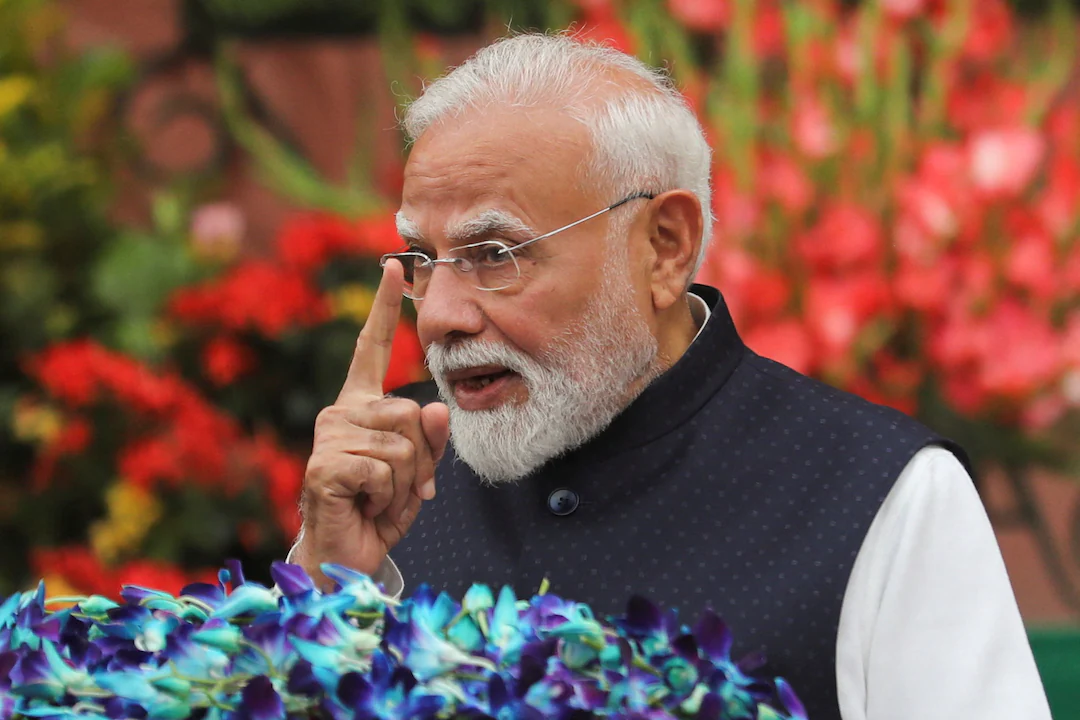
Indian Prime Minister Narendra Modi is intensifying his presence on Instagram in a bid to reconnect with young voters after a wave of Gen Z-led protests exposed growing frustration among the country’s youth over unemployment, education, and economic opportunities.
Political analysts say the renewed social media strategy reflects the ruling Bharatiya Janata Party’s (BJP) recognition that young Indians; many of whom rely on Instagram, YouTube and other digital platforms for news and political engagement will play a decisive role in future election Reuters and other international media report that Modi’s team has significantly increased the production of short-form videos, behind-the-scenes content and interactive posts aimed at younger audiences.
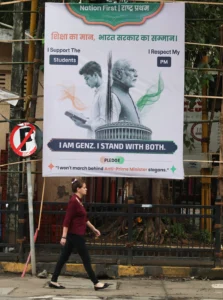
The shift follows weeks of youth demonstrations in several parts of India, where students and young professionals voiced concerns over job shortages, examination controversies, rising living costs and limited career opportunities. While the protests were driven by a range of local grievances, they also highlighted broader dissatisfaction among sections of India’s younger population.
In response, Modi has adopted a more informal communication style on Instagram, sharing personal moments, cultural celebrations, interactions with students and entrepreneurs, and videos highlighting government development projects. Political observers say the approach is designed to present a more relatable image of the prime minister while reinforcing the government’s message of economic growth and national development.
The BJP has long been recognized for its sophisticated use of digital campaigning. During previous election cycles, the party effectively used platforms such as X (formerly Twitter), Facebook and WhatsApp to mobilize supporters. However, changing media consumption habits among younger voters have made Instagram an increasingly important platform for political communication.
Opposition parties argue that a stronger social media presence alone will not address the concerns that prompted the demonstrations. They contend that meaningful action on employment, education reform and inflation will be more important than digital outreach in determining how young voters cast their ballots.

Political experts note that India’s youth population represents one of the largest voting blocs in the world. With millions of first-time voters expected to participate in upcoming elections, winning their support has become a priority for both the ruling BJP and opposition parties.
Recent surveys suggest that while Modi continues to enjoy significant national popularity, younger voters are increasingly evaluating political leaders based on issues such as job creation, economic mobility, digital innovation and access to quality education. As a result, social media has become a critical battleground for shaping public opinion.
Analysts say Modi’s Instagram strategy is likely to continue evolving in the months ahead, with greater emphasis on short videos, interactive content and direct engagement with younger audiences. Whether the digital campaign translates into renewed political support, however, will largely depend on the government’s ability to address the economic and social concerns that have fueled youth activism across the country.