
International
US Supreme Court Clears Way for Trump’s Border Wall Construction in Texas

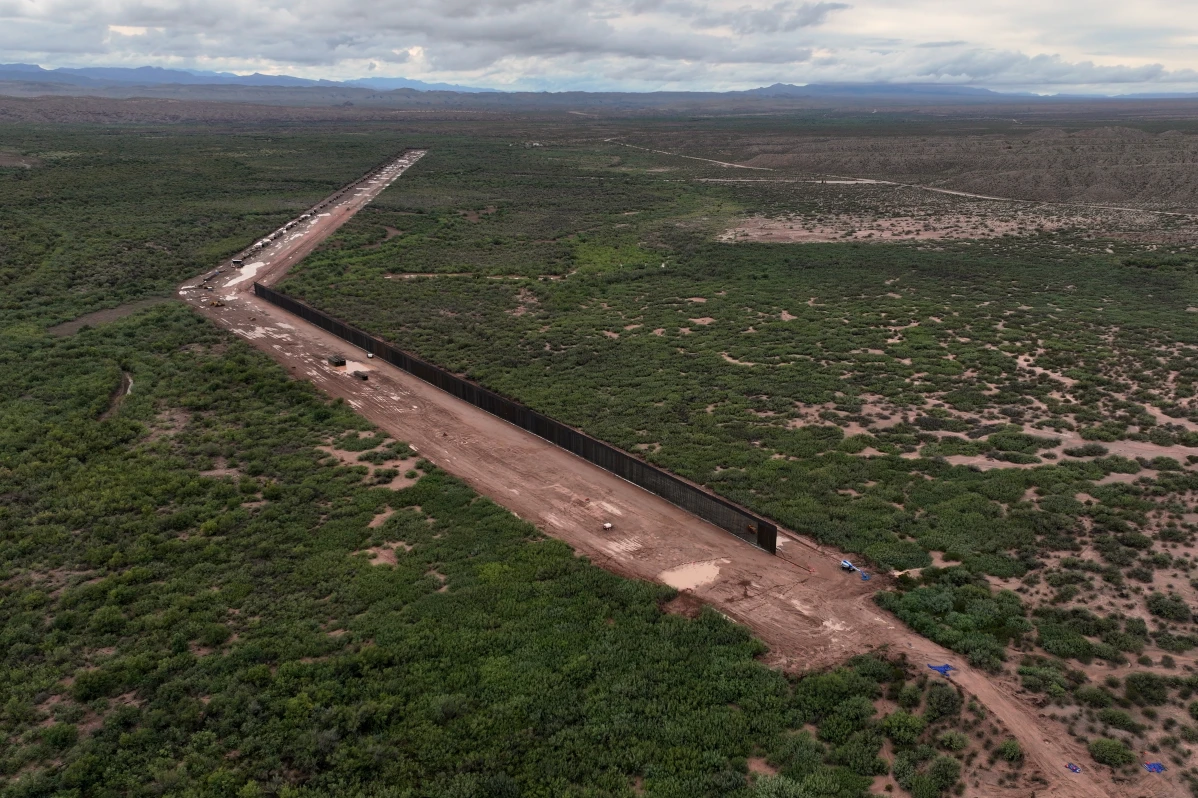
The United States Supreme Court has cleared the way for President Donald Trump’s administration to resume construction of border barriers and related infrastructure in the Big Bend region of West Texas, overturning a lower court order that had halted the project.
The decision, delivered on Monday, November 9, allows construction to continue while legal challenges against the controversial project proceed.
In an unsigned 8–1 ruling, the Supreme Court paused an injunction issued by US District Judge Kathleen Cardone, who had ordered construction activities to stop over concerns that the federal government exceeded its authority in waiving environmental protection laws.
Justice Ketanji Brown Jackson was the sole dissenting justice.
The Trump administration had approached the Supreme Court after the lower court ruled against its use of broad legal waivers to accelerate construction in the region.
The government argued that the barriers were necessary to strengthen border security, prevent illegal crossings and disrupt drug trafficking and cartel activities.
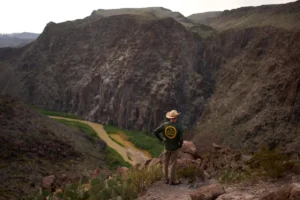
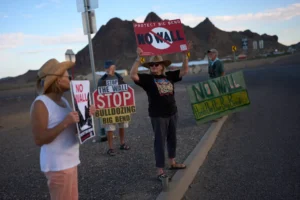
However, environmental organisations, local residents and political figures from both parties have opposed the project, warning that it could cause lasting damage to one of the country’s most distinctive natural landscapes.
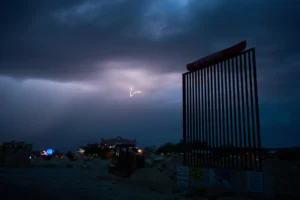
The proposed infrastructure includes steel border walls measuring up to 30 feet in some locations, vehicle barriers, surveillance equipment and hundreds of miles of patrol roads.
Although the administration has said it does not intend to construct a pedestrian border wall inside Big Bend National Park, it plans to install vehicle barriers, patrol roads and other security infrastructure in the area.
Opponents have argued that the Big Bend region has historically recorded some of the lowest levels of migrant apprehensions along the US-Mexico border, making the scale of the proposed construction unnecessary.
According to figures cited in court proceedings, the Big Bend Border Patrol sector accounts for approximately 1.6 per cent of migrant apprehensions across the entire southern border, despite covering more than 500 miles of the frontier.
The legal challenge was brought by the Center for Biological Diversity, a local river guide and an organisation seeking to protect the historic Friends of the Ruidosa Church.
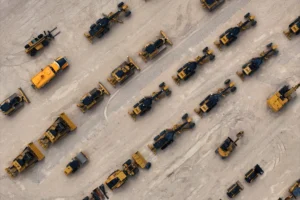
The challengers argued that the administration’s decision to waive environmental and historical preservation requirements threatens wildlife habitats, cultural resources, private property and the Rio Grande River corridor.
Reacting to the Supreme Court decision, Laiken Jordahl, a public lands advocate with the Center for Biological Diversity, condemned the ruling, warning that it could allow contractors to destroy sensitive desert landscapes before the legality of the project is finally determined.
The dispute centres partly on a 1996 federal law that gives the Department of Homeland Security secretary authority to waive certain legal requirements to accelerate border barrier construction.
The Trump administration has relied on the provision to bypass several environmental and conservation regulations, including requirements under the National Environmental Policy Act and the Endangered Species Act.
Congress approved approximately $46 billion for the wider border wall expansion last year, making it one of the administration’s major immigration and border security priorities.
Monday’s Supreme Court decision represents a significant setback for opponents of the Big Bend project, although it does not finally resolve the underlying legal dispute.
The case will continue as the administration pursues further judicial review of the challenges to its construction plans.