
International
Exiled Sheikh Hasina Plans Return to Bangladesh Despite Death Sentence

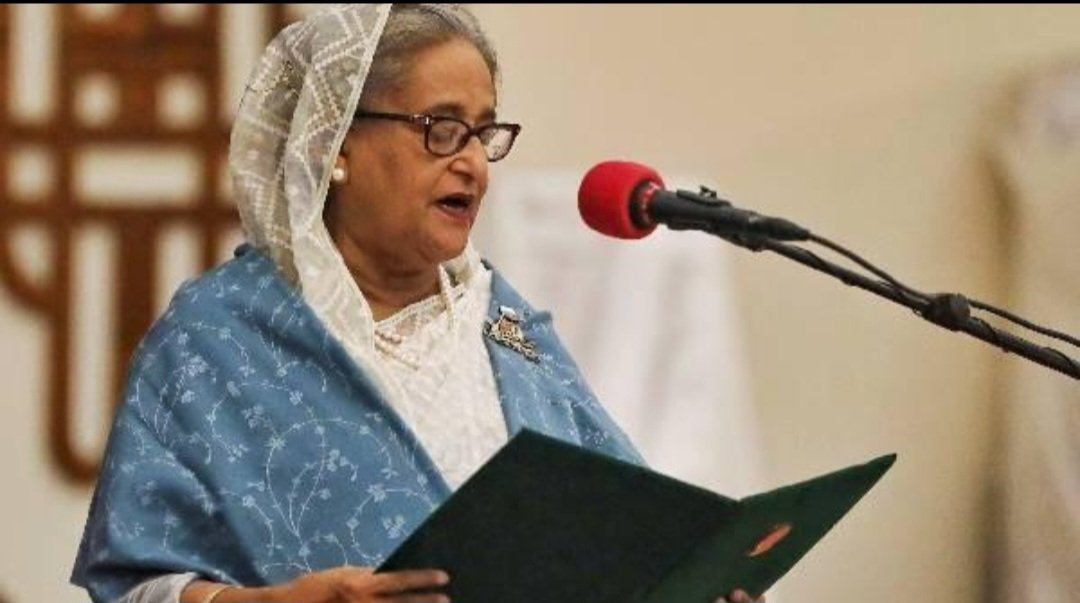
Bangladesh’s ousted former Prime Minister Sheikh Hasina has announced plans to return to her homeland from exile in India despite facing a death sentence handed down in connection with the deadly crackdown on anti-government protesters during the 2024 political unrest.
The announcement has further escalated tensions between Dhaka and New Delhi, with Bangladesh’s interim government expressing outrage over Hasina’s continued public appearances and media engagement while residing in India. Officials accused the former leader of attempting to influence Bangladesh’s domestic politics from abroad, saying her activities undermine ongoing efforts to restore political stability. Reuters and other international media reported that Dhaka has formally conveyed its concerns to the Indian government.
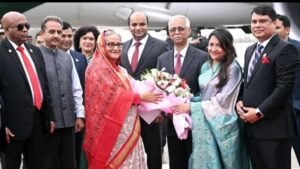
Hasina fled to India in August 2024 after weeks of nationwide demonstrations against her administration erupted into widespread violence. The protests, initially driven by student groups demanding reforms to the country’s public sector job quota system, evolved into a broader movement calling for her resignation after security forces launched a crackdown that resulted in hundreds of deaths, according to human rights organizations.
Following her removal from office, Bangladesh established legal proceedings against Hasina and several former senior officials, accusing them of crimes linked to the use of excessive force against demonstrators. A special tribunal later sentenced the former prime minister to death in absentia, a verdict that Hasina and her supporters have dismissed as politically motivated.
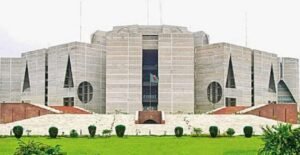
Speaking during media engagements in New Delhi, Hasina reportedly reaffirmed her intention to return to Bangladesh, insisting that she had committed no crime and would continue to defend her political legacy. She accused the current authorities of undermining democratic institutions and pursuing what she described as a campaign of political persecution against members of her Awami League party.
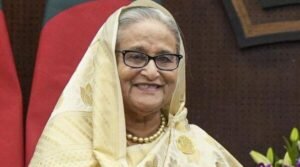
Bangladesh’s Ministry of Foreign Affairs criticized India’s decision to allow Hasina to make public statements while on Indian soil, describing the development as unacceptable and inconsistent with the principles of good neighbourly relations. Officials said the comments risk inflaming political tensions and interfering in Bangladesh’s internal affairs.
India has so far maintained that Hasina remains in the country under temporary arrangements but has not publicly commented in detail on Bangladesh’s latest objections. New Delhi has repeatedly emphasized the importance of maintaining stable relations with Dhaka while avoiding direct involvement in Bangladesh’s domestic political disputes.
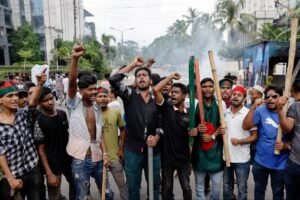
Political analysts say Hasina’s declaration could further deepen uncertainty in Bangladesh, where the interim government continues preparations for national elections while facing demands to restore democratic governance and ensure accountability for the violence that accompanied the 2024 uprising.
The former prime minister, who governed Bangladesh for more than 15 years, remains one of the country’s most influential and polarizing political figures. Supporters credit her with overseeing rapid economic growth, major infrastructure projects and improvements in social development, while critics accuse her administration of authoritarianism, suppression of dissent and weakening democratic institutions.
As Bangladesh navigates one of the most turbulent periods in its recent history, Hasina’s proposed return is expected to intensify political debate and place renewed focus on the country’s judicial process, relations with India and prospects for long-term national reconciliation.