
International
Trump Declares $1.8 Billion IRS Settlement Fund ‘Dead’ While Arguing Victims Deserve Compensation

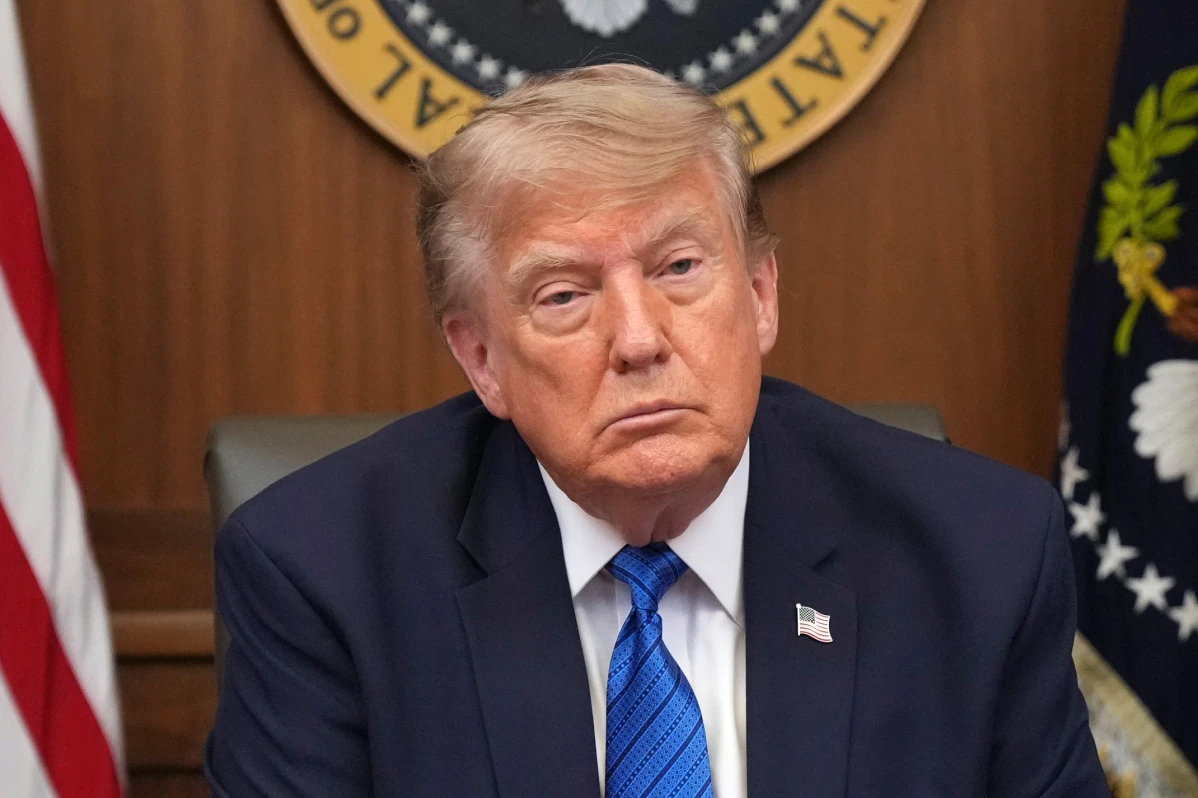
U.S. President Donald Trump has acknowledged that the controversial $1.8 billion “Anti-Weaponization Fund” created as part of a legal settlement involving the Internal Revenue Service (IRS) will not move forward, while simultaneously insisting that the idea behind the fund was justified.
Speaking during a Cabinet meeting at Camp David, Trump told reporters that the fund was “dead,” but added that he wished it were not, arguing that people he believes were unfairly targeted by the federal government deserved financial compensation. His comments have added fresh uncertainty to an already contentious political and legal dispute surrounding the settlement and the confirmation of acting Attorney General Todd Blanche.
Trump said administration officials had agreed not to proceed with the fund but made clear that he personally disagreed with abandoning it.
“I think people were horribly treated… and I’d like to see them compensated,” the president said, referring to individuals he believes were victims of politically motivated investigations and prosecutions. His remarks came only hours after a social media post in which he again argued that compensation should be provided to those he considers victims of government “weaponization.”
The apparent contradiction declaring the fund dead while continuing to champion its purpose, has complicated ongoing negotiations between the White House and Republican senators demanding formal assurances that the proposal has been permanently abandoned.
The proposed fund originated from a settlement resolving Trump’s lawsuit against the IRS over the unauthorized disclosure of his confidential tax records.
Under the original agreement, approximately $1.776 billion would have been placed into an “Anti-Weaponization Fund” designed to compensate individuals claiming they had been unfairly targeted by federal law enforcement or government agencies. The settlement also included provisions shielding Trump and members of his family from certain IRS audits related to past tax returns, drawing criticism from both Democrats and some Republicans.
The controversy has become a major obstacle to the Senate confirmation of acting Attorney General Todd Blanche.
Republican Senators John Cornyn of Texas and Thom Tillis of North Carolina have refused to support Blanche’s nomination unless the Justice Department formally confirms in writing that the fund has been permanently rescinded.
Although Blanche previously testified before Congress that the fund would not proceed, the senators argue that Trump’s repeated public endorsements have undermined confidence in those assurances.
According to reports, the Justice Department has now drafted language stating that the order creating the fund has been rescinded and will have “no force or effect,” but negotiations over the wording continue.
The dispute has delayed action on Blanche’s nomination despite strong backing from the White House.
Senate Judiciary Committee Chairman Chuck Grassley has rescheduled a committee vote for next week in the hope that remaining concerns can be resolved before the Senate begins its August recess.
Trump has even suggested he could temporarily withdraw Blanche’s nomination and allow him to continue serving as acting attorney general until the current Senate session ends if Republican opposition persists.
The proposed fund has attracted criticism from lawmakers, legal scholars and ethics experts, who questioned whether public money could be used to compensate Trump’s political allies, including individuals prosecuted over the January 6, 2021, U.S. Capitol attack.
Supporters of the proposal argued that it was intended to compensate people who had been unfairly targeted by politically motivated government actions, while opponents described it as an unprecedented use of federal funds that could create conflicts of interest.
Although Trump now says the fund is effectively finished, his continued public support for the concept means the issue is unlikely to disappear soon.
Republican senators are expected to continue pressing for legally binding written guarantees before allowing Blanche’s nomination to move forward. At the same time, legal challenges surrounding the broader IRS settlement; including provisions related to tax audit protections remain before the courts.
The outcome will not only determine the future of Blanche’s confirmation but could also shape the broader debate over executive authority, government accountability and the limits of presidential settlement agreements.