
International
Haitian College Student Dies After Apparent Suicide; Family Blames ICE Ankle Monitor and Bullying

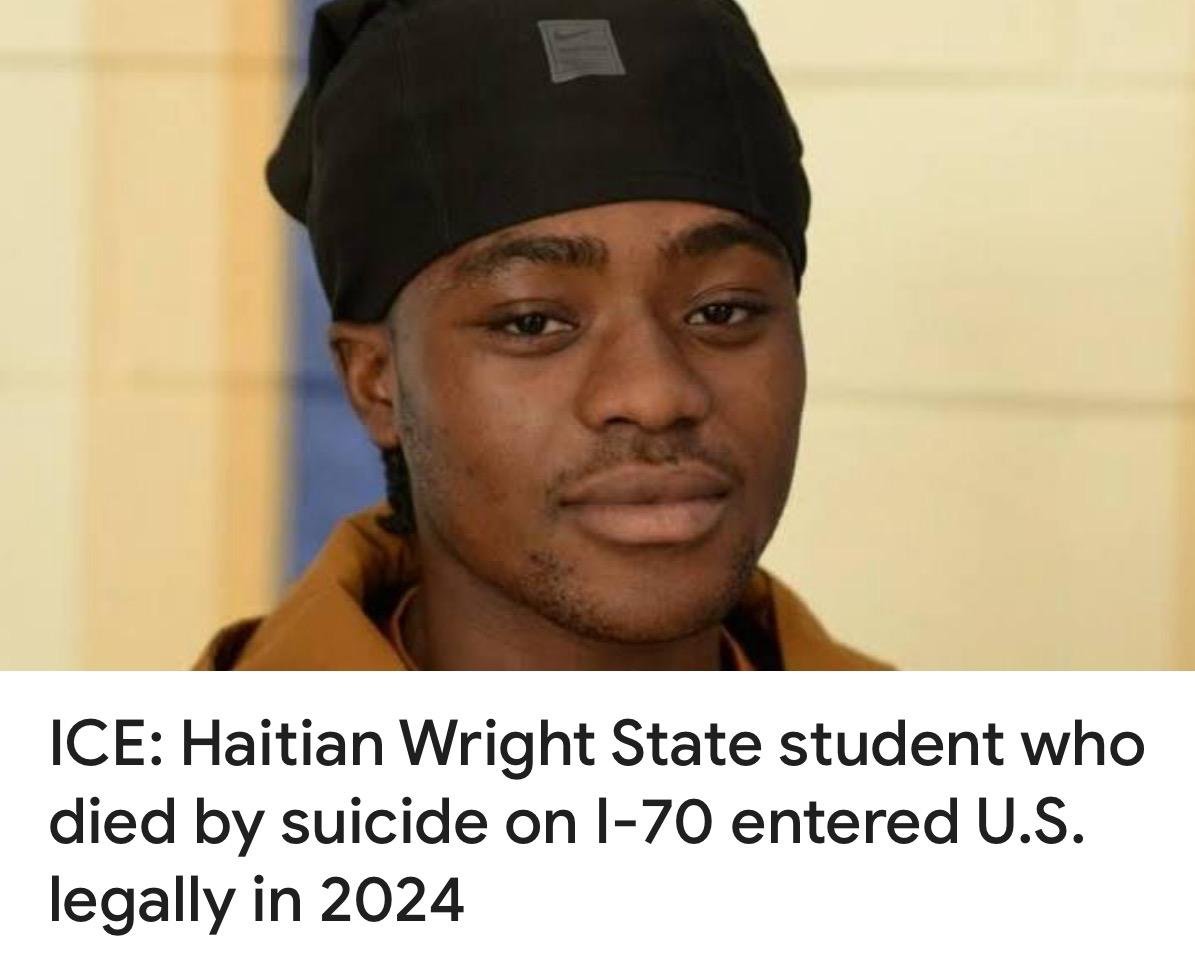
The death of a 20-year-old Haitian college student in Ohio has sparked grief and renewed criticism of U.S. immigration enforcement after his family said the young man had been struggling with shame and humiliation linked to an Immigration and Customs Enforcement (ICE) ankle monitor.
Pierre Damas Bel, a Haitian immigrant and first-year student at Wright State University, died on Monday, August 31, after he was struck by a tractor-trailer on Interstate 70 near Springfield, Ohio. Authorities said he had parked his vehicle on the shoulder before entering westbound traffic.
The Ohio State Highway Patrol is investigating the circumstances of his death. His family and several local advocates have described it as an apparent suicide, while authorities have not publicly issued a final classification.

Bel’s father, Pierre Ronal Bel, said his son called him shortly before the incident and told him he was struggling mentally because of bullying.
According to a statement released through the Haitian community advocacy group G92, the father said Bel contacted him during a video call and expressed distress over what he was experiencing.
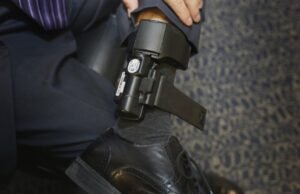
The family says much of Bel’s anguish followed his being fitted with a GPS ankle monitor by ICE on July 29 as part of the agency’s Alternatives to Detention programme while his immigration proceedings continued.
His father said Bel felt humiliated wearing the device around fellow students and had asked immigration officials to remove it.
In a social media post shortly before his death, Bel reportedly wrote about the shame he felt over being required to wear the monitor, despite saying he had entered the United States to pursue his education rather than commit a crime.

ICE confirmed that Bel entered the United States legally in 2024 through the now-defunct CBP One programme, which had allowed migrants in Mexico to schedule appointments to seek admission into the country.
The agency said he was placed on electronic monitoring while his immigration case continued. ICE has rejected attempts to attribute his death to the agency, saying people facing removal proceedings have options including leaving the country voluntarily.
Bel’s case became more complicated after the Trump administration moved to end Temporary Protected Status (TPS) protections for Haitians.
The TPS programme provides temporary protection from deportation and work authorisation to nationals of countries facing extraordinary conditions. The Supreme Court’s decision this year allowed the administration to proceed with ending Haiti’s TPS designation, affecting hundreds of thousands of Haitians living in the United States.
Friends, family and community members have remembered Bel as an ambitious young man with plans for his future.
He graduated from Springfield High School with honours and was involved in Junior ROTC and soccer. He had recently begun studying at Wright State University and was described by the university as an active honours student who was passionate about soccer and engaged in campus life.
Bel had also been recruited to play soccer at Wittenberg University, but reports say the ankle monitor affected his ability to participate. He subsequently pursued his academic goals at Wright State.
Bel’s death has triggered mourning among Springfield’s Haitian community and calls for scrutiny of the use of ankle monitors on immigrants.

Community leaders and advocates have questioned whether electronic monitoring can impose a significant psychological and social burden on people who are not being held in detention.
Ohio Gov. Mike DeWine also expressed concern about the circumstances surrounding Bel’s case, criticising what he described as a misguided approach to mass deportations and questioning the decision to place an ankle monitor on someone in Bel’s situation.
A vigil for Bel was held in Ohio on September 2 as members of the Haitian community and supporters gathered to remember the young student.
For many in Springfield, Bel’s death has therefore become more than the loss of a promising 20-year-old. It has become a flashpoint in a wider debate over immigration enforcement, electronic surveillance, the end of TPS protections and the human cost of prolonged immigration uncertainty.
The Ohio State Highway Patrol’s investigation into the circumstances of Bel’s death remains ongoing.