
International
Japanese Mayor Makes History by Taking Maternity Leave, Sparking National Debate

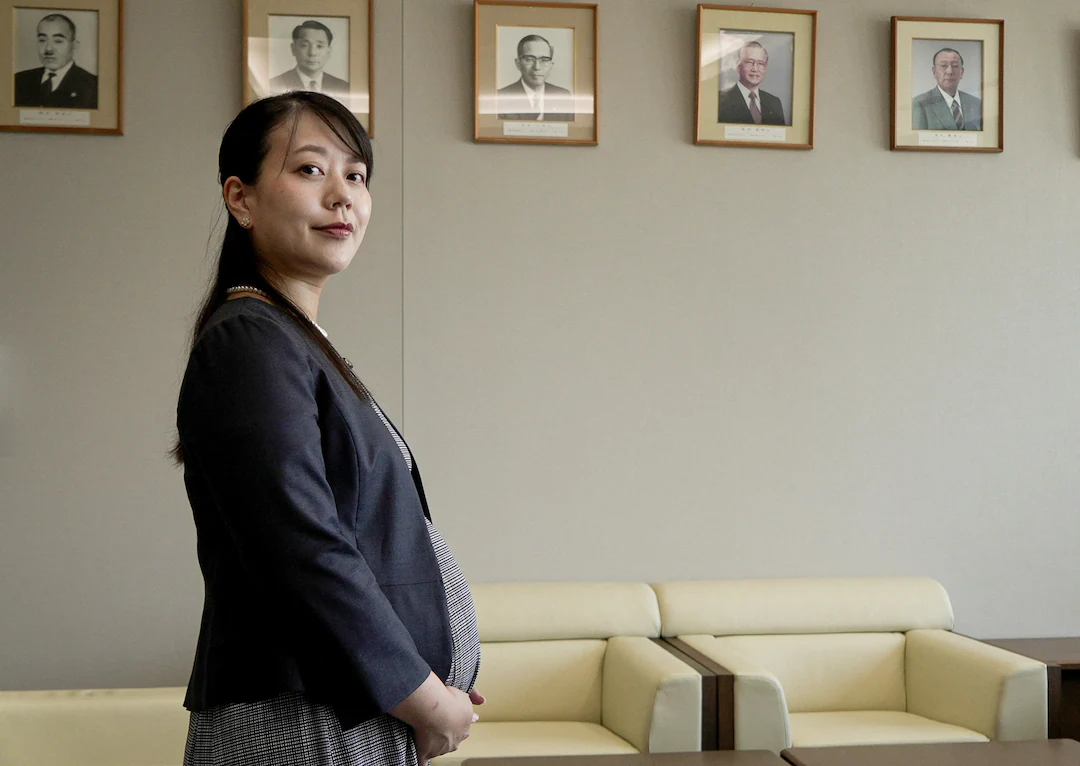
The mayor of the western Japanese city of Yawata, Shoko Kawata, has made history by becoming the first sitting mayor in Japan to take maternity leave, a landmark decision that has sparked a nationwide conversation about gender equality, leadership and work-life balance in one of the world’s most male-dominated political systems.
Kawata, 35, announced that she would begin maternity leave ahead of the birth of her first child, expected in September. While Japanese law guarantees maternity leave for most employees, no formal provision existed for elected mayors. As a result, Kawata had to establish a leave framework specifically for her office before stepping away from her duties.

Elected in 2023 at the age of 33, Kawata became Japan’s youngest female mayor. She said she was surprised to discover that no serving Japanese mayor had previously taken maternity leave, describing the milestone as a reflection of the limited number of young women in senior political leadership. She argued that creating such precedents is essential if Japan wants to encourage more women to enter public office.
Before beginning her leave, Kawata continued to fulfill official duties, including participating in Yawata’s annual Taiko festival. Because of her pregnancy, she modified tradition by walking behind the portable Shinto shrine rather than riding atop it, underscoring her determination to remain active while prioritizing her health.

Her decision has received widespread support from many residents, women’s rights advocates and political reform campaigners, who view it as an important step toward normalizing parenthood among elected leaders. However, it has also drawn criticism from some conservative commentators and members of the public, particularly over the fact that she will continue receiving her full salary during her leave.
The debate has highlighted broader challenges facing Japan. Despite being one of the world’s largest economies, the country continues to rank relatively low in global measures of gender equality, particularly in political representation. Women remain significantly underrepresented in elected office, while Japan is also grappling with one of the world’s lowest birth rates and a rapidly ageing population.

Kawata has argued that supporting parents in leadership positions is not simply a workplace issue but a national priority. She said Japan cannot hope to reverse its demographic decline unless people in every profession; including politicians and senior leaders, feel able to have children without fearing professional consequences.
Her husband also plans to take six months of parental leave after the baby’s birth, a decision that has attracted attention in a country where fathers’ use of parental leave remains relatively uncommon despite legal entitlements. Supporters say the couple’s decision reflects changing attitudes toward shared parenting responsibilities.
While the controversy has exposed lingering cultural resistance to women balancing leadership and motherhood, many analysts believe Kawata’s decision could become a turning point in Japanese politics. By establishing a precedent for future elected officials, her maternity leave has transformed a personal milestone into a broader national discussion about gender equality, family life and the future of leadership in Japan.