
International
US Targets Iranian Crypto Exchanges in Fresh Wave of Sanctions

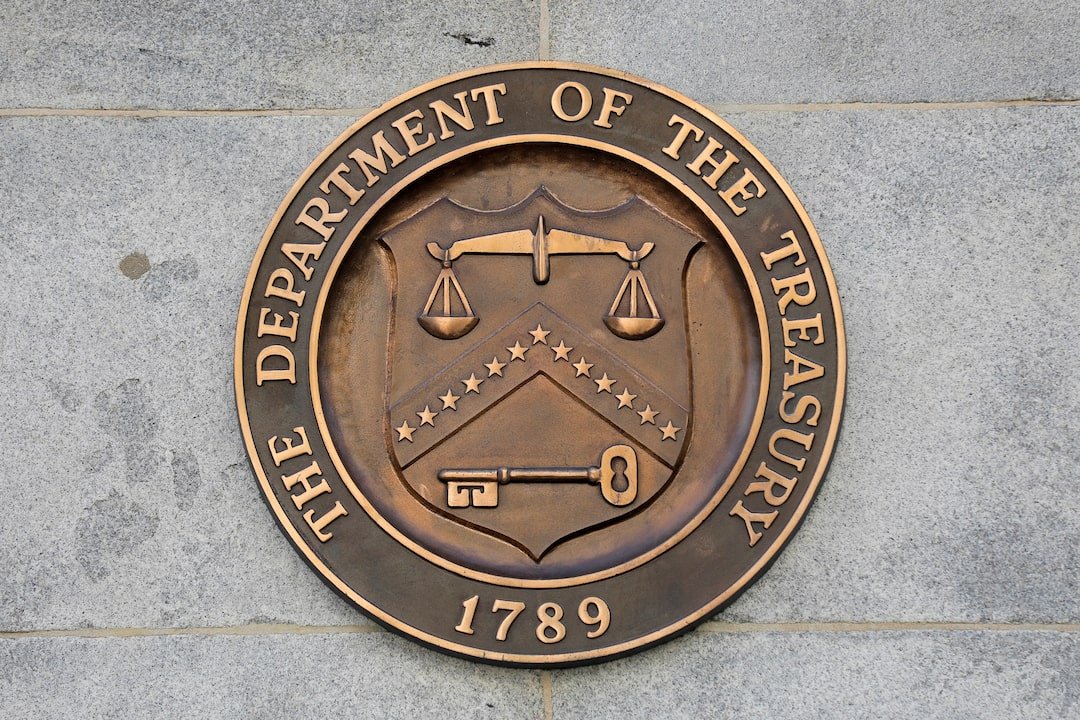
The United States Treasury Department has announced a fresh round of sanctions targeting Iran’s cryptocurrency sector, intensifying Washington’s economic pressure campaign against Tehran amid ongoing regional tensions and concerns over sanctions evasion.
According to the Treasury’s Office of Foreign Assets Control (OFAC), the measures target four Iranian nationals and four Iran-based digital asset exchanges; Nobitex, Bitpin, Ramzinex, and Wallex. US authorities allege that the firms facilitated financial transactions that helped Iran and sanctioned entities circumvent international restrictions.
The sanctions place the designated individuals and companies on the US sanctions list, freezing any assets under US jurisdiction and prohibiting American individuals and businesses from conducting transactions with them. The Treasury also warned that foreign financial institutions could face secondary sanctions if they engage in certain dealings with the targeted firms.
Particular attention was given to Nobitex, Iran’s largest cryptocurrency exchange. US officials accused the platform of facilitating transactions linked to the Iranian government and the Islamic Revolutionary Guard Corps (IRGC), a military organization already subject to extensive US sanctions. Treasury Secretary Scott Bessent said Iran has increasingly relied on digital assets to move funds and shield wealth from international scrutiny.
The sanctions are part of the Trump administration’s broader “Economic Fury” campaign, which seeks to disrupt Iran’s access to international financial networks and revenue streams. In recent months, Washington has imposed additional restrictions targeting Iranian oil exports, shipping networks, and alleged money-laundering operations.
US officials argue that cryptocurrency platforms have become an increasingly important tool for Iran to evade economic restrictions. Recent investigations and intelligence reports have highlighted the use of digital assets by Iranian entities to conduct cross-border transactions and maintain access to foreign currencies despite sanctions.
Iranian officials and some of the sanctioned firms have rejected allegations of direct involvement in sanctions evasion, maintaining that their platforms operate as legitimate digital asset exchanges. However, the latest measures underscore Washington’s determination to expand its sanctions regime into the rapidly growing cryptocurrency sector.
The new sanctions come as geopolitical tensions between the United States and Iran remain elevated, with both countries locked in disputes over regional security, maritime trade routes, and Tehran’s financial activities. Analysts say the move signals that digital assets will remain a key focus of future US enforcement actions against Iran.