
International
Trump Pressured to Stay Firm on China Trade Measures Over Shipbuilding

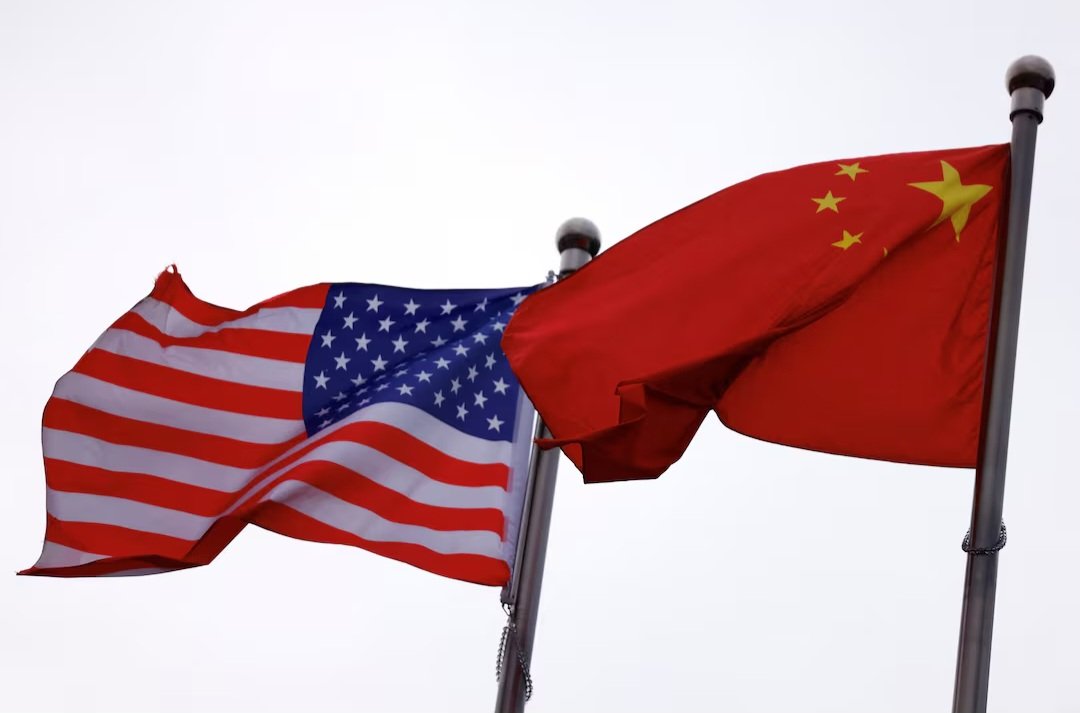
A bipartisan group of U.S. senators has urged President Donald Trump to maintain a tough stance on China’s shipbuilding industry during his upcoming talks with Chinese President Xi Jinping, warning that Beijing’s dominance in the sector poses economic and national security risks to the United States.
The senators; including Democrats Tammy Baldwin and Mark Kelly, alongside Republicans Todd Young and Tim Scott, sent a joint letter to Trump ahead of his planned summit with Xi in Beijing on May 14–15. In the letter, they called on the president not to weaken trade measures designed to revive America’s struggling shipbuilding sector.
According to the lawmakers, China has spent decades using subsidies, state-backed financing, and other trade practices to dominate the global maritime and shipbuilding industries, leaving the United States with less than 1% of global ship production while China controls more than half of the market.
“We urge you to stand strong during these negotiations,” the senators wrote, adding that the United States “cannot cede additional ground” to China in strategic industries tied to economic competitiveness and military readiness.
The lawmakers specifically backed existing U.S. trade remedies, including proposed port fees on Chinese-linked ships and broader efforts under the SHIPS for America Act, legislation aimed at rebuilding domestic shipyards and strengthening commercial maritime production. The bill would reportedly provide tax incentives and billions of dollars in funding over the next decade to support American shipbuilding.
The push comes as Trump prepares for high-level discussions with Xi amid ongoing tensions between Washington and Beijing over trade, technology, Taiwan, and national security issues. Analysts say the shipbuilding dispute has become part of a wider U.S. effort to reduce dependence on Chinese manufacturing and supply chains.
China has repeatedly defended its industrial policies, arguing that its shipbuilding success is driven by competitiveness and global demand rather than unfair practices. However, U.S. lawmakers argue Beijing’s growing influence over maritime logistics and commercial shipping could threaten American jobs and military preparedness.
The Trump administration has not publicly indicated whether shipbuilding measures will feature prominently in the upcoming summit agenda, but the senators insisted that any concessions could weaken U.S. leverage in future negotiations with Beijing.