
International
Trump Postpones Plan to Increase Beef Imports Amid Rancher Backlash

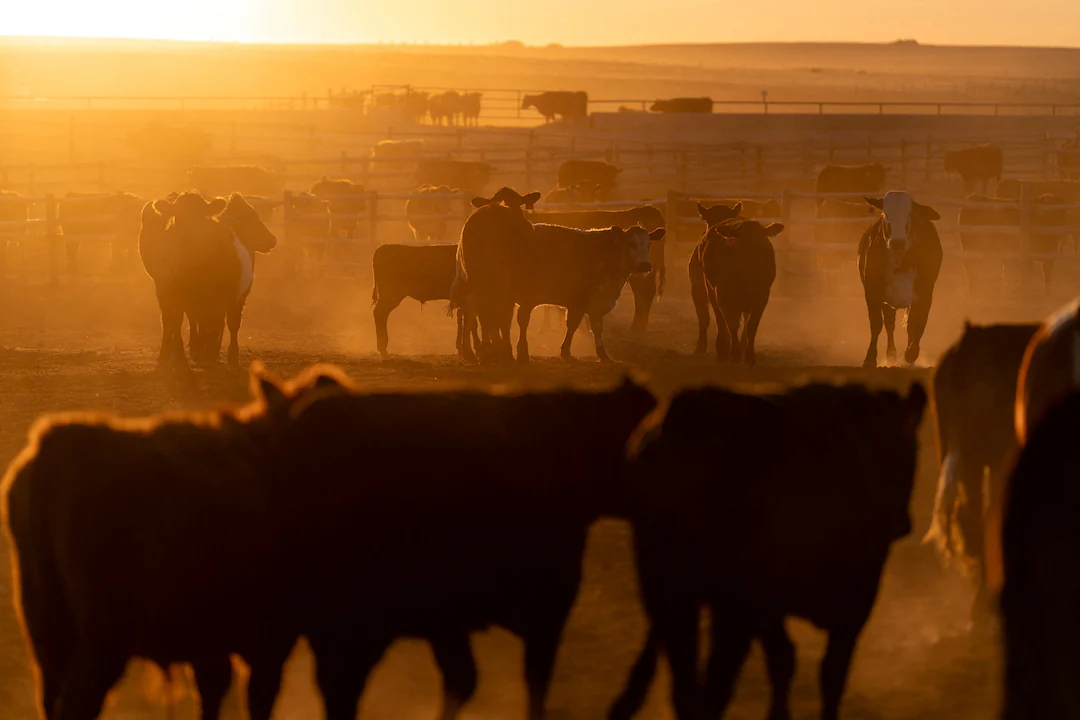
U.S. President Donald Trump has delayed plans to sign executive orders aimed at increasing beef imports and lowering meat prices after facing opposition from ranchers and Republican lawmakers, according to reports by the Wall Street Journal and Reuters.
The proposed measures were expected to temporarily suspend tariff-rate quotas on imported beef, allowing more foreign beef to enter the U.S. market at reduced tariffs in an effort to ease soaring consumer prices. The White House had earlier indicated the executive orders would be signed on Monday, but officials later confirmed the move had been postponed.
The delay reportedly followed concerns from cattle ranchers and congressional Republicans, many of whom warned that cheaper imported beef from countries such as Brazil and Argentina could hurt American producers already struggling with drought, rising feed costs and shrinking cattle herds.
According to Reuters, U.S. beef prices rose by more than 12% in April compared with the same period last year, making beef one of the most expensive grocery items for American consumers despite broader efforts to curb inflation.
The U.S. cattle herd has fallen to its lowest level in roughly 75 years due to prolonged drought conditions and high production costs, leading to reduced domestic supply. Analysts say the shortage has pushed beef imports higher, with the U.S. Department of Agriculture forecasting record beef imports in 2026.
Trump’s proposed orders were also expected to include expanded loans for ranchers through the Small Business Administration and regulatory changes aimed at easing restrictions affecting livestock farmers.
However, critics within Trump’s political base argued that lowering barriers for imported beef could weaken domestic ranchers while providing only limited relief for consumers. Republican Senator Steve Daines of Montana reportedly warned that ranchers were worried about potential financial losses if foreign imports flood the market.
The White House has not announced a new timeline for when the executive orders may be signed.
The development highlights the balancing act facing the Trump administration as it seeks to address inflation concerns ahead of the midterm elections while also protecting key agricultural industries that form part of the president’s support base.