
International
Hospitals Evacuated as Gang Violence Escalates in Haiti’s Capital

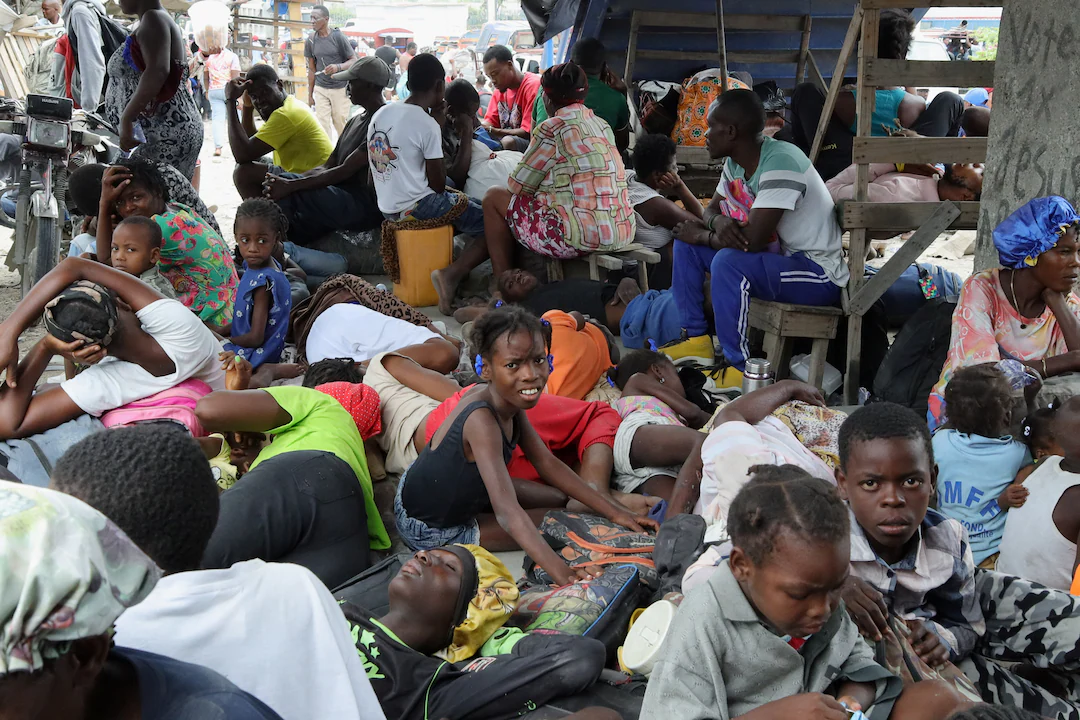
Hospitals in Haiti’s capital, Port-au-Prince, have evacuated patients while humanitarian group Médecins Sans Frontières (MSF), also known as Doctors Without Borders, suspended medical services after renewed clashes between rival gangs intensified in the city’s Cite Soleil district.
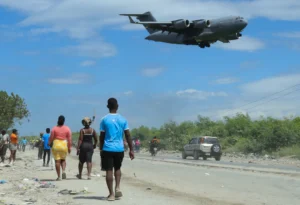
According to Reuters, the violence, which began roughly two weeks ago, worsened over the weekend as heavily armed gangs exchanged gunfire near the capital’s port and close to Toussaint Louverture International Airport.
MSF said hundreds of terrified residents sought shelter inside its hospital compound during the fighting. The aid group revealed that one of its security guards was struck by a stray bullet while inside the facility, forcing the organisation to halt operations indefinitely because it could no longer guarantee the safety of staff or patients.
“Currently, not a single hospital is open in the area where the fighting is taking place,” MSF said in a statement, warning that medical needs were rapidly increasing while healthcare access was collapsing.
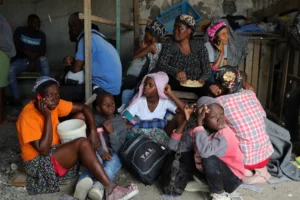
Another medical facility in the area, Hopital Fontaine, reportedly evacuated newborn babies from its intensive care unit as gunfire spread through nearby communities. MSF said it later treated transferred patients from the hospital, including pregnant women who gave birth overnight.
Local business leaders said the clashes involve the Chen Mechen gang and former allies from the powerful Viv Ansanm gang coalition, which controls large parts of Port-au-Prince. The coalition has been blamed for widespread killings, kidnappings, extortion and attacks on public infrastructure across Haiti.
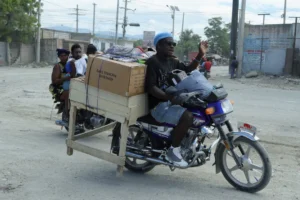
The United Nations estimates that fresh violence in Cite Soleil and nearby Croix-des-Bouquets displaced around 5,000 people in late April alone, while another 4,400 residents fled Haiti’s Artibonite region earlier this month. Overall, more than 1.45 million Haitians are now internally displaced due to gang violence, representing nearly 12% of the country’s population.
The worsening insecurity has also cast further doubt on Haiti’s political future. Prime Minister Alix Didier Fils-Aime acknowledged Monday that the country’s security conditions would not allow presidential elections scheduled for August to proceed as planned. Haiti has not held elections since 2016, and the country has remained politically unstable since the assassination of President Jovenel Moïse in 2021.
The latest unrest comes amid uncertainty surrounding an international security mission led by Kenya and backed by the United Nations. The mission has faced delays, funding shortages and personnel challenges, while plans are underway to deploy additional international troops later this year.
Humanitarian groups warn that Haiti’s already fragile healthcare system is nearing collapse as violence spreads across the capital and armed gangs tighten their control over major neighborhoods.