
Health
LASSA FEVER DEATH TOLL RISES AS 82 NEW CASES EMERGE ACROSS 14 NIGERIAN STATES

The Nigeria Centre for Disease Control and Prevention has reported a concerning rise in Lassa fever cases and fatalities, with the country recording 82 new confirmed infections and 20 deaths in a single week. The latest Situation Report for Epidemiological Week 7, covering 9 to 15 February 2026, indicates that the virus is tightening its grip as Nigeria navigates the peak of its dry season, a period historically linked with rising infections.
The new cases were confirmed across 14 states, including Ondo, Bauchi, Taraba, Edo, Plateau, and the Federal Capital Territory. This marks an increase from the 74 cases recorded in the previous week. Cumulatively, Nigeria has now confirmed 326 cases and 75 deaths from 1,538 suspected cases between weeks one and seven of 2026. The national case fatality rate currently stands at 23 per cent, notably higher than the 19.7 per cent recorded during the same period in 2025.
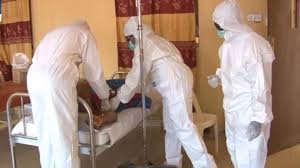
Four states, Bauchi, Ondo, Taraba, and Edo, now account for a staggering 84 per cent of all confirmed cases so far this year, with Bauchi alone contributing 33 per cent. Young adults between 21 and 30 years remain the most affected age group, with a median age of 30. The male-to-female ratio among confirmed cases is 1 to 0.8.
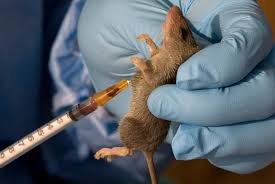
In a troubling development, five new healthcare workers were infected during the reporting week, underscoring the ongoing risks within clinical settings. Health authorities attribute the rising fatality rate to several factors, including late presentation of cases, poor health-seeking behaviour driven partly by treatment costs, and weak environmental sanitation in high-burden communities.
In response to the escalating situation, the NCDC has activated a multi-partner Incident Management System to strengthen coordination. Rapid response teams have been deployed to high-burden states, and medical supplies, including Ribavirin and personal protective equipment, have been distributed. The agency has also intensified surveillance and community engagement efforts to curb the spread of the virus.
Public health experts have warned that while the number of suspected and confirmed cases remains lower than figures recorded at the same time last year, the upward weekly trend and rising fatality rate demand urgent vigilance. The message from authorities remains clear: early detection, prompt treatment, and strict infection prevention measures are Nigeria’s strongest defence against the deadly viral haemorrhagic fever.