
General News
NDLEA Says Court Did Not Acquit Abba Kyari of Drug Trafficking

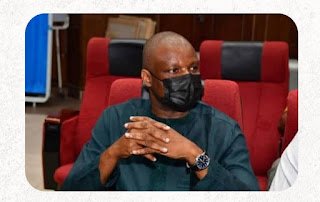
The National Drug Law Enforcement Agency (NDLEA) has clarified that the drug trafficking case against suspended Deputy Commissioner of Police Abba Kyari is still ongoing despite his recent discharge in a separate court case.
The agency said the substantive drug-related charges remain before Emeka Nwite, a judge of the Federal High Court in Abuja, with the next hearing scheduled for March 16, 2026.
The clarification follows a ruling by James Omotosho, who discharged Kyari in a 23-count charge involving alleged money laundering and non-declaration of assets.
According to the NDLEA, the decision relates to a different case and should not be interpreted as an acquittal of the suspended police officer in the drug trafficking allegations filed against him.
NDLEA’s Director of Media and Advocacy, Femi Babafemi, said the agency issued the clarification to prevent confusion about the status of the drug case.
He explained that the prosecution team had been directed to obtain the Certified True Copy (CTC) of the judgment before deciding on the next legal step.
“First, I need to clarify that the ruling by Justice Omotosho is completely different from the main and substantive drug case which continues before Justice Emeka Nwite of the Federal High Court, Abuja, on Monday, March 16, 2026. That one is very much on course,” Babafemi said.
He added that once the Certified True Copy of the judgment is obtained, the agency’s legal team will review it and advise the NDLEA leadership on whether to appeal the ruling.
The development underscores the ongoing legal battles facing Kyari, as the anti-narcotics agency maintains that it will continue to pursue the drug trafficking charges through the courts.

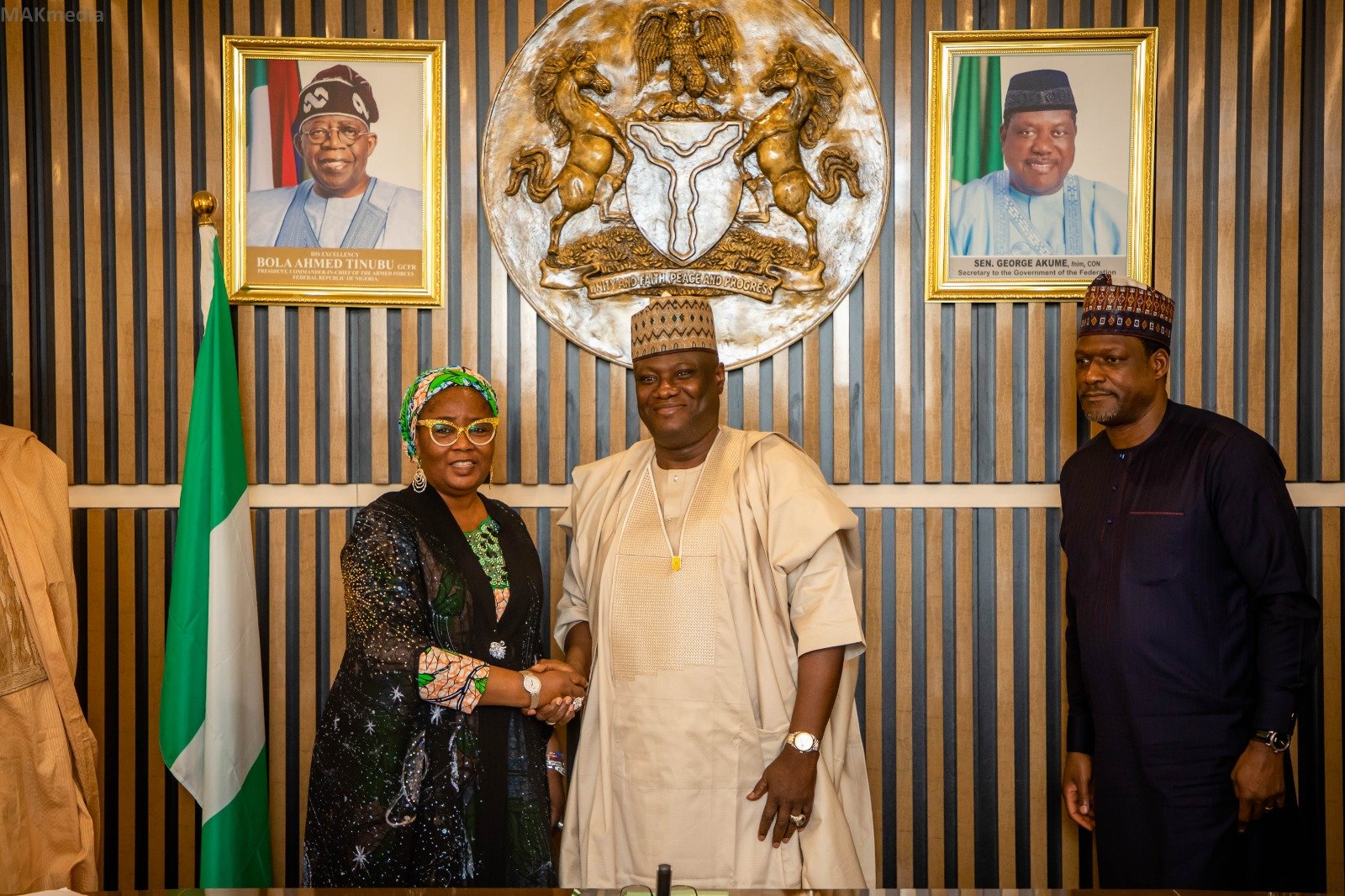
The Federal Government has inaugurated a Textile Steering Committee to lay the groundwork for a Cotton, Textile, and Garment Development Board, aimed at reviving Nigeria’s struggling textile industry.
The initiative is part of the Renewed Hope Agenda under President Bola Ahmed Tinubu, which focuses on industrial growth, job creation, and economic diversification.
Speaking at the Abuja ceremony, Secretary to the Government of the Federation, George Akume, highlighted that the textile sector, once a major contributor to the economy and rural livelihoods, has faced declining production, poor infrastructure, inconsistent policies, and competition from smuggled products.
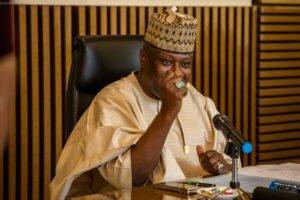
He urged the committee to prioritise local content and public-private partnerships, assuring government support for implementing their recommendations.
The committee, chaired by Mr. Abia Ifiok Bassey includes representatives from key industry associations such as the Nigerian Textile Manufacturers Association, Fashion Designers Association of Nigeria, Apparel and Accessories Manufacturers Association, and the National Cotton Association of Nigeria.
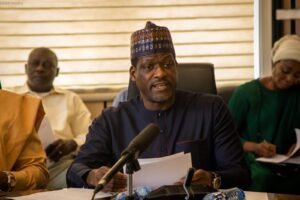
Coordinator of the Cotton, Textile and Garment Development Forum, Anibe Achimugu, described the move as a historic step toward rebuilding Nigeria’s cotton, textile and garment sector and coordinating policy, investment, and standards across the industry.
General News
Tinubu Oversees Resolution of OPL 245 Dispute, Paves Way for Major Deepwater Investment
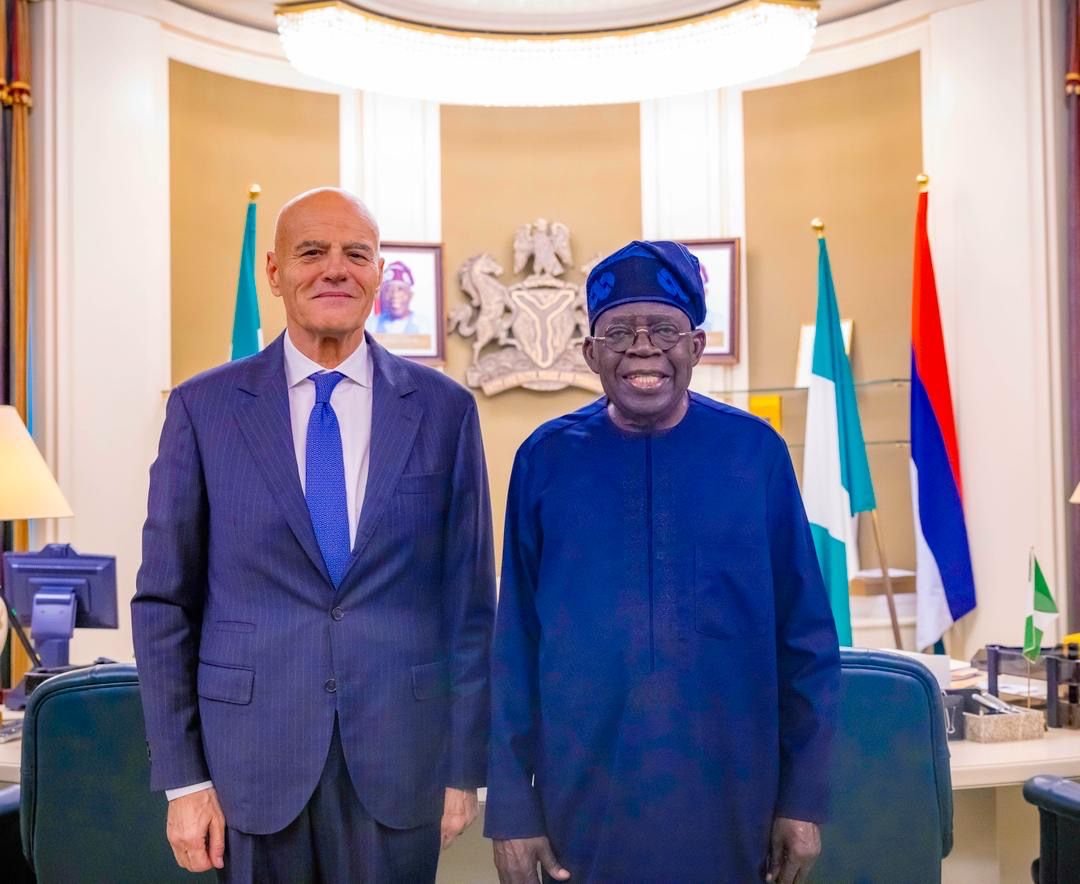
President Bola Ahmed Tinubu has announced the successful resolution of the long-running dispute over Oil Prospecting Licence 245 (OPL 245), a development expected to unlock major deepwater oil investments and boost Nigeria’s crude production capacity.
The agreement, reached between the Federal Government of Nigeria, Eni, and Nigerian Agip Exploration Limited, was finalised during a meeting at the Presidential Villa in Abuja.
Present at the meeting were Eni’s Chief Executive Officer Claudio Descalzi, Chief Operating Officer Guido Brusco, Head of Sub-Saharan Region Mario Bello, Managing Director of Nigerian Agip Exploration Fabrizio Bolondi, and the President’s Special Adviser on Energy Olu Verheijen.
The settlement ends a dispute that has lasted more than 15 years and restores clarity to one of Nigeria’s most commercially promising deepwater oil assets.
With the dispute resolved, stakeholders say the pathway is now open for a Final Investment Decision on the Zabazaba–Etan deepwater project. The project is expected to add about 150,000 barrels per day to Nigeria’s oil production capacity and strengthen the country’s long-term energy outlook.
Tinubu described the agreement as a strategic milestone in the government’s economic reform efforts, noting that resolving legacy disputes is key to restoring investor confidence and ensuring Nigeria’s natural resources deliver value to citizens.
“This resolution sends a clear signal to global investors that Nigeria is prepared to address legacy issues transparently, uphold the rule of law, and create a stable environment for long-term capital,” the President said.
Energy adviser Verheijen explained that the settlement represents a significant improvement on the 2011 resolution agreement and aligns with the policy framework introduced under the Petroleum Industry Act.
According to her, the revised terms provide investors with the clarity and predictability needed to proceed with large-scale deepwater investments, while also ensuring stronger value and safeguards for the federation.
The resolution forms part of broader reforms undertaken since 2023 to strengthen Nigeria’s competitiveness in global energy markets. These reforms, anchored in the Petroleum Industry Act and supported by executive actions, have helped renew investor interest and attract capital into the country’s oil and gas sector.
The President commended key institutions involved in reaching the agreement, including the Office of the Attorney General of the Federation, the Ministry of Petroleum Resources, the Nigerian Upstream Petroleum Regulatory Commission, and NNPC Limited.
The government said the settlement underscores its commitment to unlocking Nigeria’s strategic energy assets, attracting responsible investment, and ensuring that the nation’s resources translate into growth, jobs, and long-term prosperity.

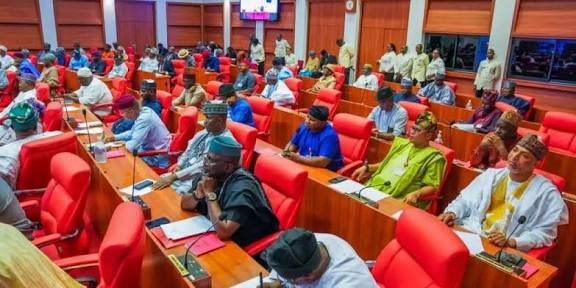
The Nigerian Senate has summoned the immediate past Group Chief Executive Officer (GCEO) of the Nigerian National Petroleum Company Limited (NNPCL), Mele Kyari, along with former Chief Financial Officer Umar Ajia Isa and former Group General Manager of NAPIMS, Dr. Bala Wunti, over an alleged N210 trillion that has not been properly accounted for in the company’s financial records between 2017 and 2023.
The Senate committee handling the probe warned that it could issue a warrant of arrest against the former management officials if they fail to honour the invitation when the hearing date is communicated.
The lawmakers also raised concerns over the reported spending of N5 billion by the national oil company on the transition from the Nigerian National Petroleum Corporation (NNPC) to the Nigerian National Petroleum Company Limited (NNPCL).
The decision to summon the former executives was taken during the committee’s meeting held on Thursday.
Chairman of the committee, Senator Aliyu Wadada Ahmed (Nasarawa West), who addressed journalists after the meeting, said the former officials are expected to appear before the committee alongside the current management of the company.
He noted that the appearance of the former management team should be coordinated by the incumbent GCEO of NNPCL, Engineer Bayo Ojulari, and should include the external auditors who handled the company’s accounts during the period under investigation.
According to Wadada, the committee resolved that NNPCL must explain the alleged N210 trillion that appeared in its audited reports as unaccounted funds.
He said the amount comprises N103 trillion linked to Joint Venture cash call expenditures and N107 trillion recorded as subsidy receivables in the company’s financial statements.
“NNPCL should refund the sum of N210 trillion, being the combined amount of N103 trillion and N107 trillion which were not properly accounted for as indicated in the audit reports. The company must give a clear account of the two figures,” he said.
The committee also directed the oil firm to remit to the treasury all production costs charged against crude oil revenue during the period under review.
According to the lawmakers, subsidiaries such as the National Petroleum Investment Management Services (NAPIMS) and the NNPC do not directly produce crude oil, raising questions about the production costs reflected in the accounts.
Wadada further disclosed that the Senate committee had recommended that the Auditor-General for the Federation carry out a forensic audit of NNPCL’s financial statements covering the period under investigation.
The proposed audit, he said, would be conducted in line with Section 85 of the 1999 Constitution of the Federal Republic of Nigeria (as amended).
The senator added that the committee was particularly concerned about the N5 billion reportedly spent on the rebranding of NNPC to NNPCL.
“To us in the committee, this amount is unacceptable and the company must provide satisfactory explanations,” he said.
He explained that the committee arrived at the decision after the company failed to provide convincing answers to 19 queries raised from its audited financial statements.
While the NNPCL had explained that the N103 trillion represented cumulative expenditures by its Joint Venture partners from cash calls between 2017 and 2023, the committee said the response was unsatisfactory.
Similarly, the lawmakers noted that the company’s audited financial statements showed N107 trillion as subsidy-related receivables as of December 2023, which it claimed were owed by banks and other entities.
According to the committee, the two figures together amount to N210 trillion that must be properly accounted for.
Despite the ongoing investigation, the committee reiterated its support for the administration of President Bola Ahmed Tinubu, stating that the probe aligns with the government’s commitment to transparency, accountability, and prudent management of public resources.