
Business
PRESIDENT TINUBU WELCOMES SHELL’S FINAL INVESTMENT DECISION ON BONGA NORTH DEEP OFFSHORE FIELD.


PRESIDENT TINUBU WELCOMES SHELL’S FINAL INVESTMENT DECISION ON BONGA NORTH DEEP OFFSHORE FIELD
President Bola Ahmed Tinubu has welcomed Shell and its partners’ announcement of the Final Investment Decision (FID) on the Bonga North Deep Offshore Field. This landmark development, Nigeria’s first deepwater oil project in over a decade, underscores the transformative impact of the President’s policies and reforms in attracting investments in the oil and gas sector.
The Bonga North oilfield, located 130 kilometres offshore in Oil Mining Lease (OML) 118, represents an impressive estimated $5 billion investment and is expected to yield approximately 350 million barrels of crude oil. Shell holds the largest operational interest, with 55%. Its other partners are the Nigerian National Petroleum Corporation (NNPC), ExxonMobil, TotalEnergies, and Eni.
According to President Tinubu, “The Renewed Hope Agenda fundamentally focuses on attracting investments to transform the Nigerian economy and deliver prosperity to our people. We designed our policies and reforms from the start of my administration to achieve this goal. Shell and its partners’ decision to invest in Bonga North affirms the success of our efforts. We will continue to offer the necessary support to ensure their success and the realisation of Nigeria’s energy potential.”
The Bonga North project is the second of the blueprint projects President Bola Ahmed Tinubu selected to drive the implementation of the transformative Presidential Directives 40, 41, and 42 issued in the first quarter of 2024. These directives, aimed at enhancing regulatory clarity, accelerating project timelines, and incentivising investment in Nigeria’s energy sector, have yielded remarkable results.
Ms Olu Arowolo Verheijen, Special Adviser to the President on Energy, noted that “The Bonga North FID dispels the misconceptions about International Oil Companies leaving Nigeria. Instead, we are witnessing a strategic pivot of IOCs-powered capital and technical capacity to deepwater and integrated gas projects, which align with President Tinubu’s vision of transforming Nigeria into a global energy hub.”














Two of Nigeria’s largest beverage manufacturers; Nigerian Breweries and Guinness Nigeria, have announced plans to increase the prices of some of their products, citing rising operational and production costs amid the country’s challenging economic environment.
In separate notices sent to distributors, both companies said the price adjustments would affect selected stock-keeping units (SKUs) across their product lines. The move comes as manufacturers grapple with inflation, foreign exchange volatility, rising energy expenses, and increasing logistics costs.
Nigerian Breweries, Nigeria’s largest brewing company, disclosed that its new price structure would take effect on March 20, 2026. In a letter dated March 13 and signed by its zonal business manager (West), John Oloche Ademu, the company, said the review was necessary to cushion the impact of escalating operational and input costs.
The company explained that the current economic landscape has significantly increased the cost of doing business, making the price adjustment unavoidable in order to sustain operations and maintain steady product supply to distributors.
Similarly, Guinness Nigeria informed distributors in a notice dated March 14 that it would also increase prices on selected products, with the new rates expected to take effect from March 27, 2026. The brewer said the decision was driven by prevailing economic conditions that have raised production and operational expenses across the industry.
Both companies noted that distributors who place and fully fund their orders before the effective dates will still be able to purchase products at the existing prices.
Industry analysts say the development reflects growing pressure on manufacturers in Nigeria, where the cost of raw materials, packaging, transportation, energy, and foreign exchange has surged in recent months. The planned adjustments could lead to higher retail prices for popular beer and malt drinks in the coming weeks as distributors and retailers adjust to the new pricing structure.
Nigerian Breweries produces widely consumed brands such as Star Lager, Gulder, Legend Extra Stout, Heineken, and Maltina, while Guinness Nigeria is known for products including Guinness Stout, Malta Guinness, and Orijin.
The price hike is expected to add further pressure on consumers already facing high inflation and rising living costs across the country.
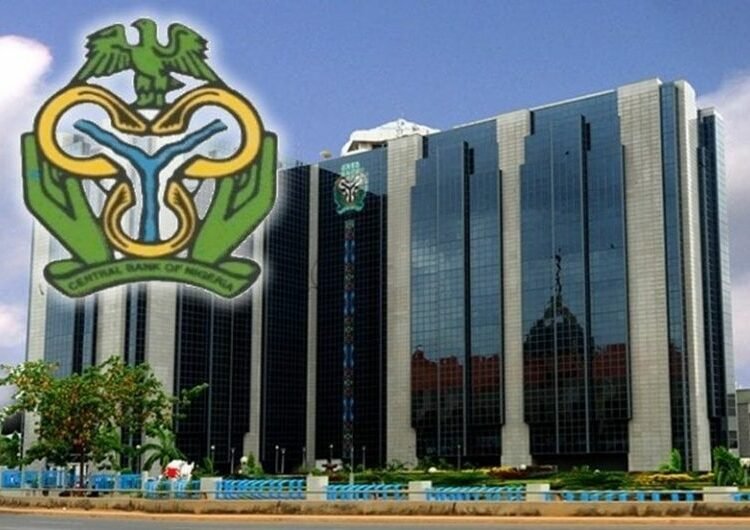
The Central Bank of Nigeria (CBN) has directed all banks in the country to restrict banking services to large borrowers with non-performing loans, in a move aimed at strengthening financial stability and reducing risks in the banking sector.
In a circular dated March 12, 2026, and addressed to all financial institutions, the apex bank said the directive targets “non-performing large ticket obligors” whose debt exposures could pose a systemic risk to the financial system.
Under the new directive, banks are required to deny additional credit facilities to any large borrower whose loan has been classified as non-performing and recorded in the Credit Risk Management System (CRMS) or any licensed private credit bureau.
The restriction covers all forms of credit, including loans and other direct lending facilities. Banks have also been instructed not to extend contingent banking services such as letters of credit, performance bonds, banker’s confirmations, or advance payment guarantees to such borrowers.
The CBN further directed banks to strengthen collateral coverage by obtaining additional realizable collateral from affected borrowers in order to secure existing exposures.
According to the apex bank, large ticket obligors are borrowers whose total exposure meets the threshold outlined in the Prudential Guidelines for Deposit Money Banks in Nigeria or whose combined borrowings across banks exceed the Single Obligor Limit (SOL), thereby posing potential risks to banks’ Capital Adequacy Ratio (CAR).
The directive forms part of the regulator’s efforts to protect depositors, enforce prudential compliance, and maintain stability within Nigeria’s banking system.
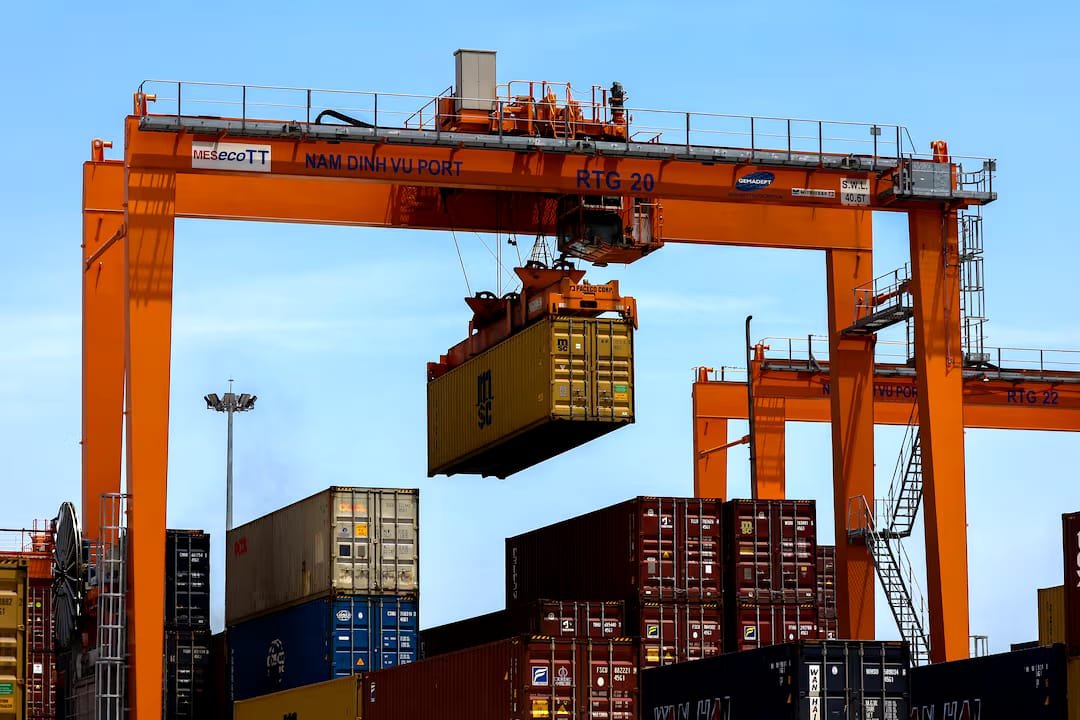
Vietnam recorded the world’s largest trade surplus with the United States in January 2026, surpassing both Mexico and China, according to the newly released U.S. trade data.
The figures show that Vietnam’s exports to the United States surged sharply at the start of the year, helping the Southeast Asian country top the list of America’s largest trade surplus partners.
Data from U.S. authorities indicate that the trade surplus reached about $19 billion in January, driven largely by a 53% increase in Vietnamese exports to the U.S., which exceeded $20 billion during the period.
The development reflects a continuing shift in global trade patterns, as American imports from China declined while more goods are sourced from Vietnam and other Asian manufacturing hubs.
Despite the strong trade figures, negotiations between Washington and Hanoi over a bilateral trade agreement remain unresolved. Officials say disagreements over tariff rates and the widening trade imbalance have delayed progress on a deal.
Analysts also note that Vietnam’s trade surplus with the United States has been expanding steadily in recent years, partly because higher tariffs on Chinese goods encouraged companies to shift manufacturing and exports to Vietnam.