
Health
REV. JESSE JACKSON HOSPITALIZED, RECEIVING CARE FOR BLOOD PRESSURE

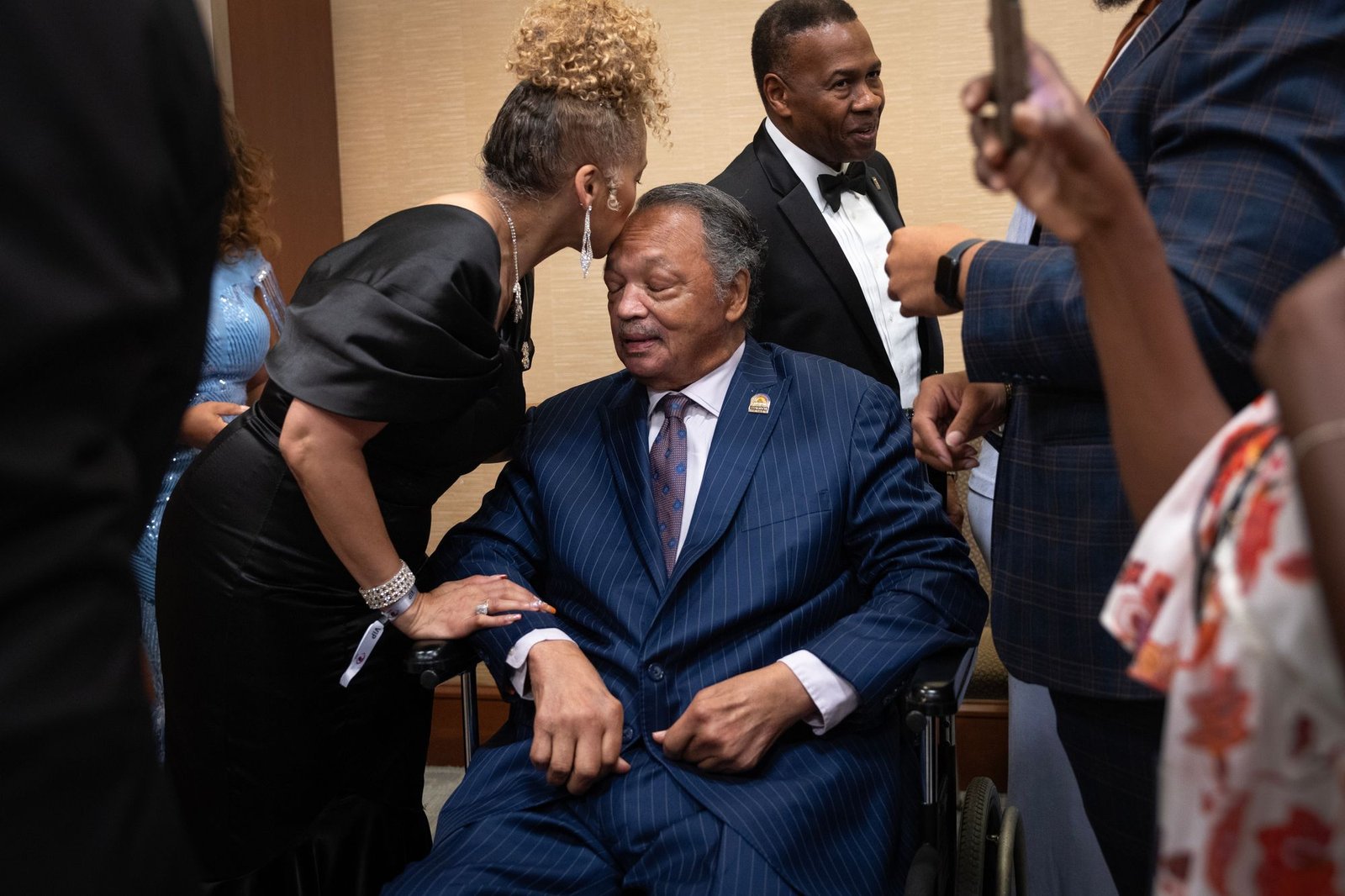
Civil rights leader Rev. Jesse Jackson remains hospitalized and has been receiving care to manage his blood pressure, according to sources close to his family.

In a statement released late Sunday afternoon, the family clarified his condition, stating he is breathing on his own without the assistance of machines and is not on life support. However, a separate source added that Jackson had earlier been receiving medication to raise his blood pressure, which is medically considered a form of life support.
The family reports a positive development, noting that in the last 24 hours, Jackson’s condition has improved and he has been able to maintain a stable blood pressure without the assistance of medication.

Jackson, 84, has been under observation for progressive supranuclear palsy (PSP), as confirmed by the Rainbow PUSH Coalition. A source close to the family says Jackson has had brief moments of energy due to a new medication and, despite a significant drop in blood pressure on Saturday night, received immediate medical attention. The source also stated that even while under treatment, he has shown brief but meaningful signs of responsiveness.
His son Yusef Jackson provided a specific example of this responsiveness in the Sunday afternoon statement, saying, “In fact, today he called for 2,000 churches to prepare 2,000 baskets of food to prevent malnutrition during the holiday season.”
Last week, his other son, Jesse Jackson Jr., also reported a “significant improvement” in the civil rights leader’s condition.
Progressive supranuclear palsy is described by the US National Institute of Neurological Disorders and Stroke as “a rare neurological disorder that affects body movements, walking and balance, and eye movements.” The disease typically begins in a person’s 60s and often leads to severe disability within three to five years. Jackson has been managing this neurodegenerative condition for more than a decade. He was originally diagnosed with Parkinson’s disease, but his PSP condition was confirmed last April.
A protégé of the Rev. Martin Luther King Jr., Jackson rose to national prominence in the 1960s. After King’s assassination, he became a transformative civil rights leader, founding Operation PUSH in 1971 and the National Rainbow Coalition in 1984. The two organizations later merged to form the Rainbow PUSH Coalition.





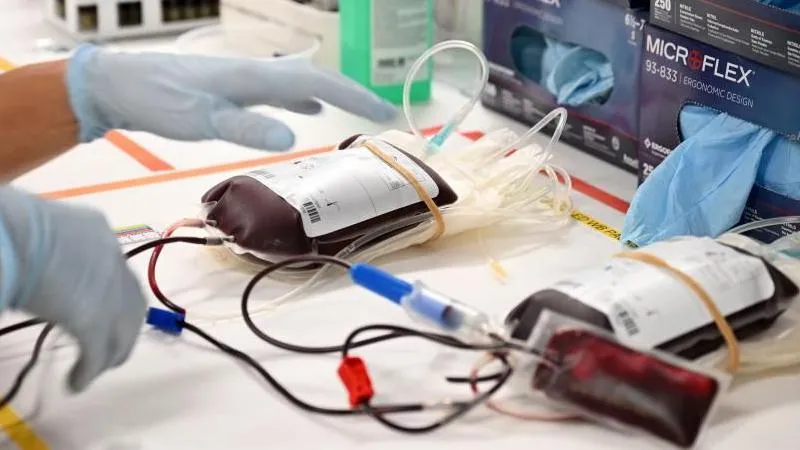
Jehovah’s Witnesses has updated its long standing policy on blood transfusions, now allowing members to have their own blood removed, stored, and later returned during medical procedures.
The adjustment means adherents can undergo planned surgeries involving the use of their own blood, but the group still prohibits receiving blood donated by others.
Gerrit Losch, a member of the movement’s leadership, announced the change, stating that each individual Christian must decide how their blood is used in medical and surgical care.
Despite the revision, the organisation emphasized that its core belief on the sanctity of blood remains unchanged. The doctrine is rooted in interpretations of biblical teachings, which followers say instruct believers to abstain from blood.
The development has drawn mixed reactions. Some former members argue the update does not go far enough, particularly in emergency situations where donated blood may be required to save lives.
In a recent legal case in Edinburgh, a court ruled that doctors could administer a blood transfusion to a 14 year old Jehovah’s Witness if necessary to preserve her life, despite her refusal on religious grounds. The judge held that such intervention would be in the child’s best interest.
Jehovah’s Witnesses, known globally for their door to door evangelism, number about nine million members worldwide, including roughly 144,000 in the United Kingdom.
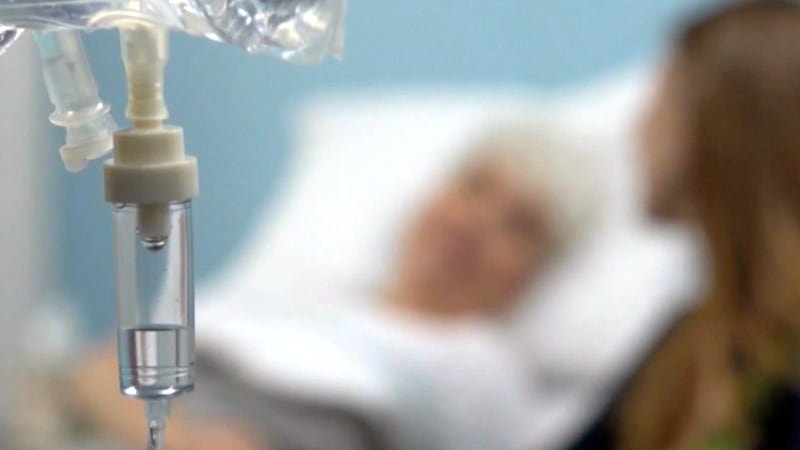
Alberta has proposed new legislation to limit the use of medically assisted dying (MAID) strictly to patients at the end of life, marking the first time a Canadian province has independently sought to impose such restrictions.
Currently, Canada allows medically assisted dying for individuals with serious, incurable illnesses or disabilities, even if their death is not reasonably foreseeable. Federal law is also set to expand MAID eligibility next year to include those whose sole medical condition is mental illness, though implementation has already been delayed twice.
Speaking at a news conference on Wednesday, Alberta Premier Danielle Smith emphasized that assisted dying should be reserved for those with no hope of recovery. “This legislation strengthens safeguards and restores clear limits on eligibility to protect vulnerable Albertans facing mental illness or living with disabilities,” she said. “Those struggling with severe mental health challenges need treatment, compassion and support, not a path to end their life at what may be their lowest moment.”
The proposed bill would prohibit doctors from initiating MAID discussions with patients and ban public advertising of the service in healthcare facilities. It would also formalize conscience protections for healthcare professionals and institutions.
Supporters of the legislation include Moira Wilson, president of Inclusion Canada, who said it “demonstrates that governments can strengthen laws and better protect people whose lives are not nearing an end,” and Mara Grunau, CEO of the Canadian Mental Health Association’s Alberta division, who highlighted the importance of recovery from mental illness.
However, opponents, including Helen Long, CEO of Dying with Dignity Canada, argue the proposal undermines patient autonomy. Long described the legislation as “a direct attempt to circumvent the constitutional criminal law authority” and warned it could create additional barriers for suffering individuals wishing to exercise choice.
Medically assisted deaths currently account for roughly 5% of deaths in Canada, with the majority involving patients whose death was reasonably foreseeable. Alberta’s proposed law aims to ensure that vulnerable groups, particularly those with mental illnesses or disabilities, are offered support and care rather than premature death.
Canada is among a handful of countries that have introduced assisted dying laws in the past decade, including Australia, New Zealand, Spain, and Austria.

A 22-year-old Nigerian international student, Rodiyat Alabede, has died after donating plasma at a clinic in Winnipeg, prompting an investigation by Health Canada.
According to a report by The New York Times, the federal health agency confirmed it is examining the deaths of two plasma donors at for-profit clinics in Winnipeg following fatal adverse reactions recorded in October 2025 and January 2026.
The clinics involved are operated by Grifols, a Spanish healthcare company that runs 17 plasma donation centres across Canada, including two in Winnipeg. Health Canada said it received mandatory reports from the facilities and subsequently sent inspectors to both locations to investigate the incidents.
Friends of the late student identified one of the deceased as Alabede, whose parents are from Nigeria and Ivory Coast. She was studying to become a social worker and was said to be active in the Muslim Nigerian community in Winnipeg.
The identity of the second donor has not been disclosed due to privacy laws.
Executive Director of the Office of the Chief Medical Examiner in Manitoba, Stephanie Holfeld, said Alabede became unresponsive during the plasma donation procedure and died shortly afterwards. However, she noted that the death has not yet been formally linked to the donation process as investigations are still ongoing.
“She had a motherly side to her, she was protective and sweet. She never gave up, even when things got difficult for her,” a friend, Chioma Ijoma, said in tribute.
In a statement, Grifols expressed condolences to the families of the deceased donors but stated that there was currently no evidence linking the deaths directly to plasma donation.
The company added that donors undergo extensive health screening before being approved and confirmed that both incidents were reported within the required 72-hour window. It also said an internal investigation had been launched.
Plasma donation involves drawing blood from a donor, separating the plasma, and returning the red blood cells to the body. The practice is common in Canada and the United States, where many students and low-income earners donate plasma to supplement their income.
Grifols advertises that regular donors can earn up to 6,000 Canadian dollars annually, equivalent to about $4,400 or roughly ₦7.2 million.