
Africa
TANZANIA BARS FOREIGNERS FROM 15 SMALL-SCALE BUSINESSES TO PROTECT LOCAL ENTREPRENEURS


The Tanzanian government has issued a directive barring non-citizens, including Nigerians, from participating in 15 small and medium-scale business activities across the country. The move aims to protect local entrepreneurs and address rising concerns over unemployment and market displacement.
The directive, known as the Business Licensing (Prohibition of Business Activities for Non-Citizens Order) 2025, was signed by Minister for Industry and Trade Selemani Saidi Jafo. It prohibits foreigners from operating in sectors such as retail trade, mobile money transfers, tour guiding, and small-scale mining.
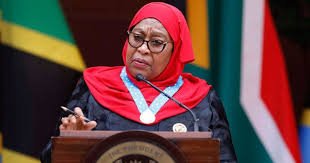
According to the order, licensing authorities are no longer permitted to issue or renew business licenses to non-citizens seeking to operate within the restricted sectors. “Upon coming into effect of this order, licensing authorities shall not issue or renew a licence for a non-citizen to carry out any of the business activities prohibited under this order,” the Ministry said in an official statement.
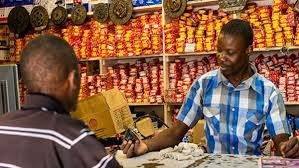
The restrictions affect businesses like wholesale and retail, repair of mobile phones, salons outside hotels and tourism operations, home and office cleaning services, and on-farm crop purchasing. Other barred activities include ownership and operation of micro and small-scale industries, real estate and business brokerage, and operation of gambling machines outside casino premises.

The government cited the need to ensure native Tanzanians benefit more directly from economic opportunities. “This order is a deliberate step to ensure that sectors traditionally accessible to locals remain preserved for Tanzanians. It reflects the government’s broader commitment to economic inclusion and employment for citizens,” Minister Jafo said.
The policy has been welcomed by local business associations but has raised concerns among international observers about potential impacts on foreign investment, trade relations, and diplomatic ties. Tanzania joins other African nations, including Ghana, Nigeria, and South Africa, in taking legislative steps to ring-fence certain economic activities for citizens.
Foreigners currently operating in the affected sectors may continue until their licenses expire, but new licenses will not be issued or renewed for non-citizens in these sectors. The order took effect immediately, signaling a new phase of economic nationalism in Tanzania’s domestic business environment.







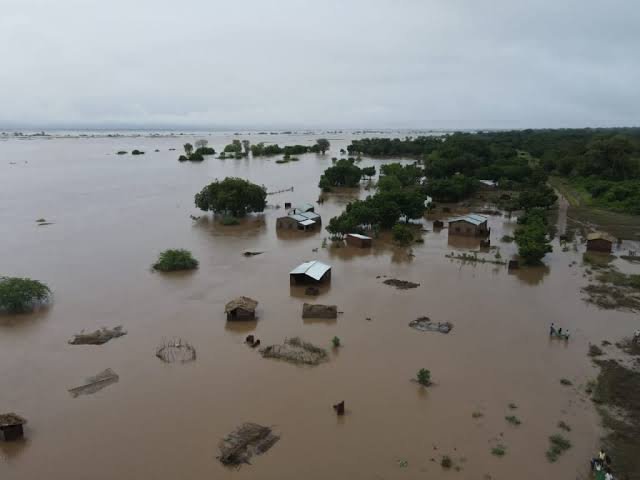
At least 13 people have been confirmed dead in Malawi following days of heavy rainfall that triggered widespread flooding across several parts of the country, authorities have said.
According to disaster management officials, the relentless downpour caused rivers to overflow, sweeping away homes, farmlands, and critical infrastructure. Many families have been displaced, with emergency responders working to rescue stranded residents and provide temporary shelter.
The Department of Disaster Management Affairs (DoDMA) in Malawi reported that the floods have affected multiple districts, particularly low-lying communities that are prone to seasonal flooding. Several people remain missing, raising fears that the death toll could increase as search and rescue operations continue.
Local authorities say roads and bridges have been severely damaged, complicating relief efforts and cutting off access to some rural areas. Humanitarian agencies have begun mobilizing aid, including food supplies, clean water, and medical assistance for affected communities.
Weather experts have warned that more rainfall is expected in the coming days, heightening the risk of further flooding and landslides. The government has urged residents in vulnerable areas to relocate to higher ground as a precaution.
Flooding is a recurring challenge in Malawi during the rainy season, often worsened by poor drainage systems, deforestation, and the impacts of climate change.
Authorities say efforts are ongoing to assess the full scale of the damage and coordinate long-term recovery plans for affected communities.
*South Africa’s Water Crisis Worsens as Criminal Gangs Exploit Shortages
By Ezinne Obah
South Africans are raising concerns that criminal gangs are taking advantage of the country’s deepening water crisis, turning a basic service failure into a growing public safety threat.
In parts of Johannesburg, residents say prolonged water outages; some lasting over a month, have left communities desperate, creating an opportunity for organised criminal networks to step in and profit. Locals report that gangs are exploiting the shortages by controlling access to water supplies and forcing residents to pay for services that should be publicly provided.
The crisis, driven by ageing infrastructure, poor maintenance, and years of underinvestment, has already strained daily life. But the emergence of so-called “water mafias” has added a dangerous dimension, with reports suggesting that some criminal groups manipulate supply systems or insert themselves into distribution channels for financial gain.
Authorities have acknowledged the presence of organised networks linked to water tanker operations. Law enforcement officials say these groups sometimes demand payments from contractors or interfere with water delivery systems, further complicating efforts to provide relief to affected communities.
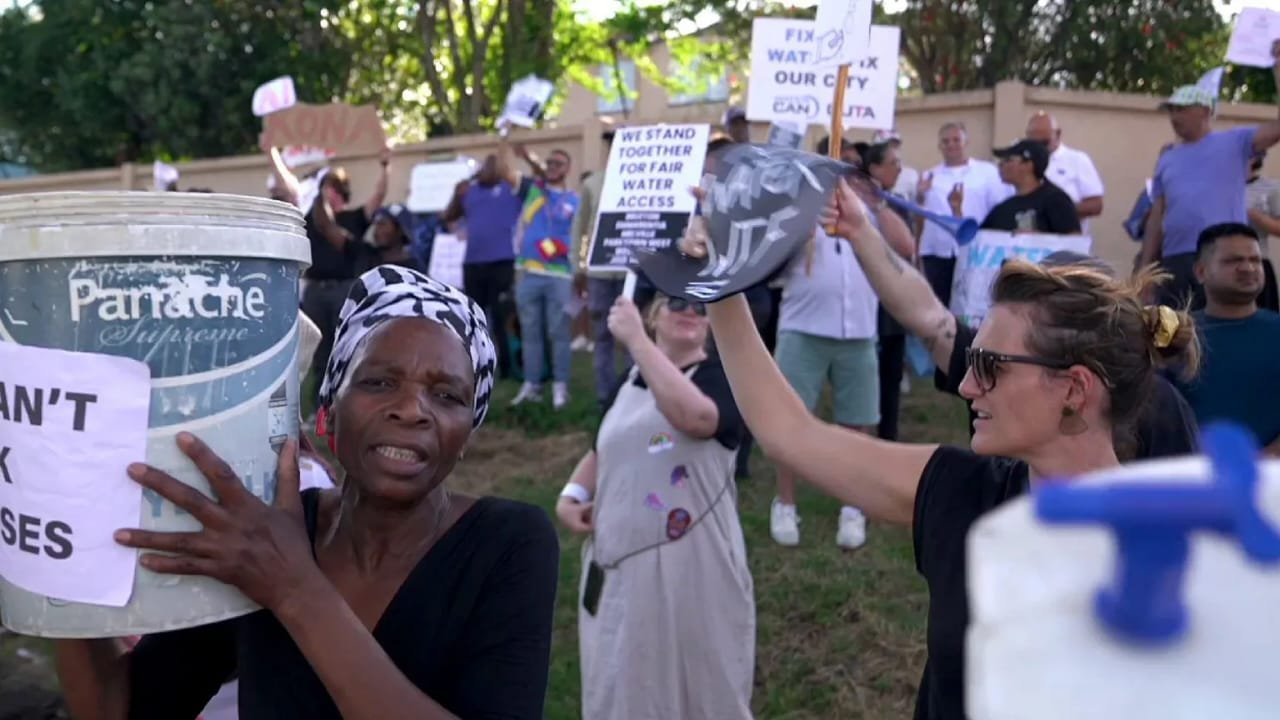
The growing crisis has triggered protests in several areas, with residents demanding reliable access to water, a right guaranteed under South Africa’s constitution. The situation has also intensified political pressure on the government, which has already identified organised crime and failing service delivery as major national challenges.
Analysts warn that if the crisis continues, it could deepen inequality, as poorer communities; unable to afford alternative water sources, remain the most vulnerable to both shortages and exploitation.
The developments highlight how infrastructure failures, when left unresolved, can create opportunities for criminal activity, turning essential services into commodities controlled by illicit networks.
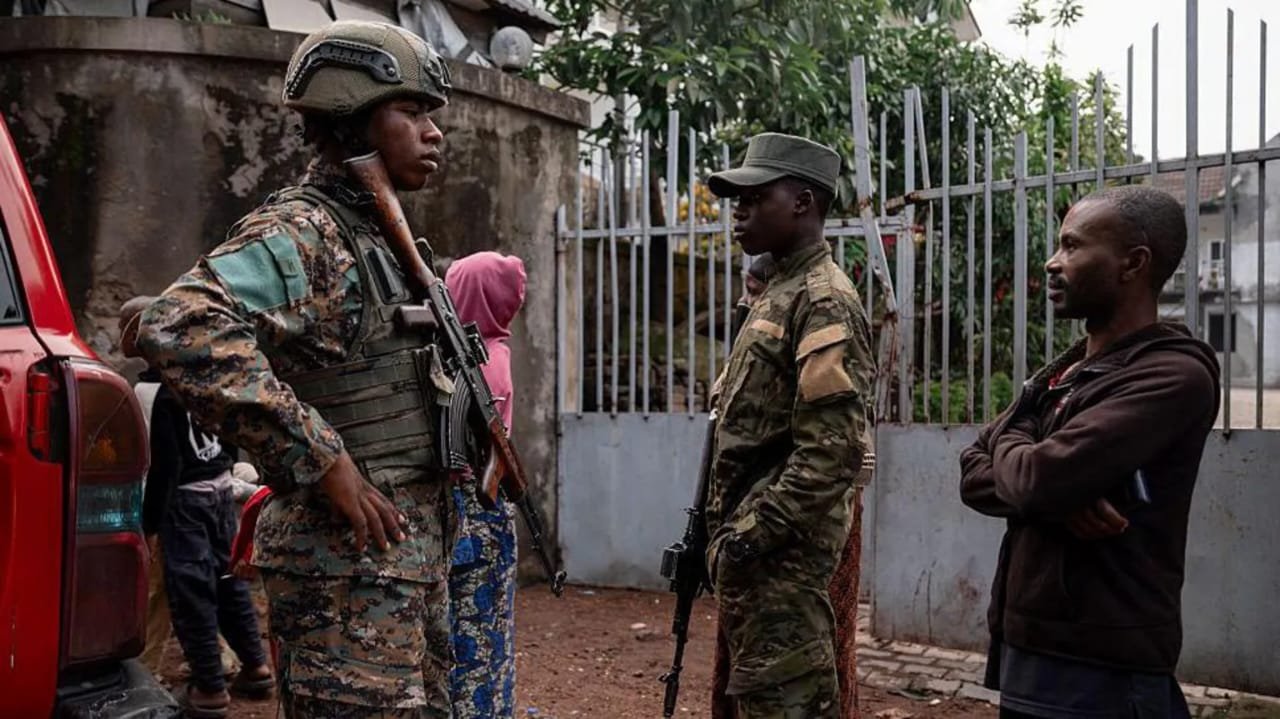
The Democratic Republic of the Congo and Rwanda have agreed to take steps toward easing tensions following high-level talks held in Washington, D.C., signalling a renewed push to stabilise one of Africa’s most volatile regions.
According to a joint statement released after the March 17–18 meeting, both countries committed to “concrete steps” aimed at de-escalating the ongoing conflict in eastern Congo and advancing the implementation of a previously signed peace agreement.
The talks, hosted by the United States, come amid escalating violence in eastern Congo, where fighting involving the M23 rebel group has continued despite earlier peace efforts. The conflict has strained relations between Kinshasa and Kigali, with the Congolese government accusing Rwanda of backing the rebels, an allegation Rwanda denies.
As part of the new understanding, both sides are expected to take measures addressing key security concerns, including the withdrawal of forces from contested areas and action against armed groups operating along their shared border.
The renewed diplomatic push follows mounting international pressure, including recent U.S. sanctions on Rwandan military officials over their alleged involvement in the conflict.
Despite the agreement, analysts caution that the path to lasting peace remains uncertain, as previous ceasefire deals have repeatedly collapsed amid continued fighting and mutual distrust.
Eastern Congo remains one of the world’s most complex conflict zones, with armed groups competing for control of mineral-rich territories, contributing to a prolonged humanitarian crisis.