
General News
US Measles Cases Top 7,700 as Vaccine Controversy Deepens Under Trump

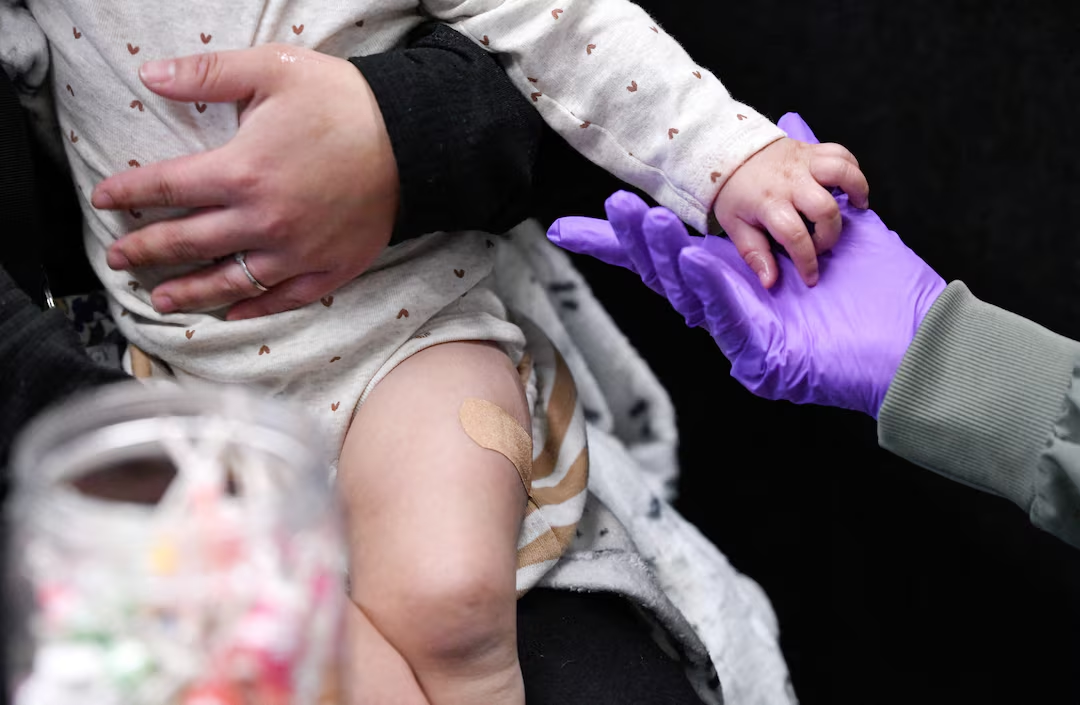
The United States is facing a worsening measles outbreak, with infections exceeding 7,700 and 13 associated deaths, marking the country’s highest measles death toll in nearly four decades, according to a Reuters investigation published on Tuesday, November 17, 2026.
The outbreak has intensified concerns over declining vaccination rates and the handling of public health policy under President Donald Trump’s administration, particularly the role of Health and Human Services Secretary Robert F. Kennedy Jr., a longstanding critic of several established vaccine policies.
Reuters reported that the spread of the highly contagious disease has been fuelled by falling childhood vaccination rates, weakened public health responses and growing vaccine hesitancy in several communities.
One of the most significant outbreaks began in Utah, where measles spread from a vaccine-resistant religious community into schools, businesses and other public gatherings.
The investigation found that nearly 65 per cent of the state’s 725 reported cases were among unvaccinated children, highlighting the vulnerability of communities with low immunisation coverage.
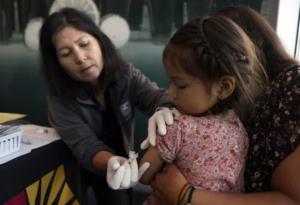
Vaccination rates have also declined across several other parts of the country, with childhood immunisation programmes facing challenges linked to public distrust, staffing shortages and reduced public health resources.
Kennedy, who has repeatedly questioned established vaccine safety claims, has come under criticism from public health experts who argue that his statements and policy decisions have weakened confidence in vaccination.
Although the health secretary has at times acknowledged the importance of measles vaccination, his broader approach to vaccine policy has continued to generate controversy.
His comments and actions have included questioning reported measles-related deaths and challenging established public health positions, despite decades of scientific evidence supporting the safety and effectiveness of the measles, mumps and rubella (MMR) vaccine.
President Trump has also faced scrutiny over his administration’s handling of vaccination policy, with critics arguing that political support for Kennedy has given greater visibility to vaccine-sceptical positions.
The White House, however, has defended the administration’s response, saying Trump and Kennedy have encouraged measles vaccination, coordinated with state authorities and facilitated the distribution of vaccine doses.

The measles outbreak has exposed growing gaps in childhood immunisation across the United States.
Data from the US Centers for Disease Control and Prevention (CDC) show that vaccination coverage among kindergarten children has fallen below the 95 per cent level generally required to maintain community protection against measles.
For the 2025-2026 school year, national MMR vaccination coverage among kindergarteners stood at 92.4 per cent, leaving an estimated 280,000 children vulnerable to infection.
The CDC’s November 12 update recorded 5,412 confirmed measles cases across 47 jurisdictions in 2026 alone, with 96 per cent of infections associated with outbreaks.
The agency also reported 591 hospitalisations in its updated figures, although its official death count for 2026 remained below the broader figures reported by Reuters.
Health experts warn that declining vaccination rates make it easier for measles to spread, particularly among children who have not received the recommended doses.
The worsening outbreak has also dealt a significant blow to America’s public health record, with the country losing its measles elimination status after sustained transmission of the virus.
The United States first achieved measles elimination status in 2000 following decades of vaccination efforts that significantly reduced domestic transmission.
Under international health standards, a country is considered to have eliminated measles when it has no continuous chain of locally transmitted infections lasting 12 months or longer.
The loss of that status reflects the failure to interrupt sustained transmission and raises concerns about the possibility of further outbreaks.

Measles is one of the most contagious infectious diseases and spreads through the air when an infected person coughs or sneezes. Symptoms include fever, cough, runny nose, red eyes and a characteristic skin rash.
Severe complications can include pneumonia, brain inflammation and death, particularly among young children and people with weakened immune systems.
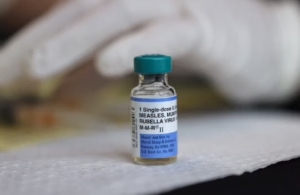
The MMR vaccine remains the primary protection against the disease. According to the CDC, two doses are approximately 97 per cent effective at preventing measles, while one dose provides about 93 per cent protection.
Public health specialists continue to urge parents to ensure their children receive recommended vaccinations, warning that declining immunisation rates could undermine decades of progress in controlling preventable diseases.