
Health
What Is Bundibugyo Virus? Rare Ebola Strain Behind Congo Outbreak

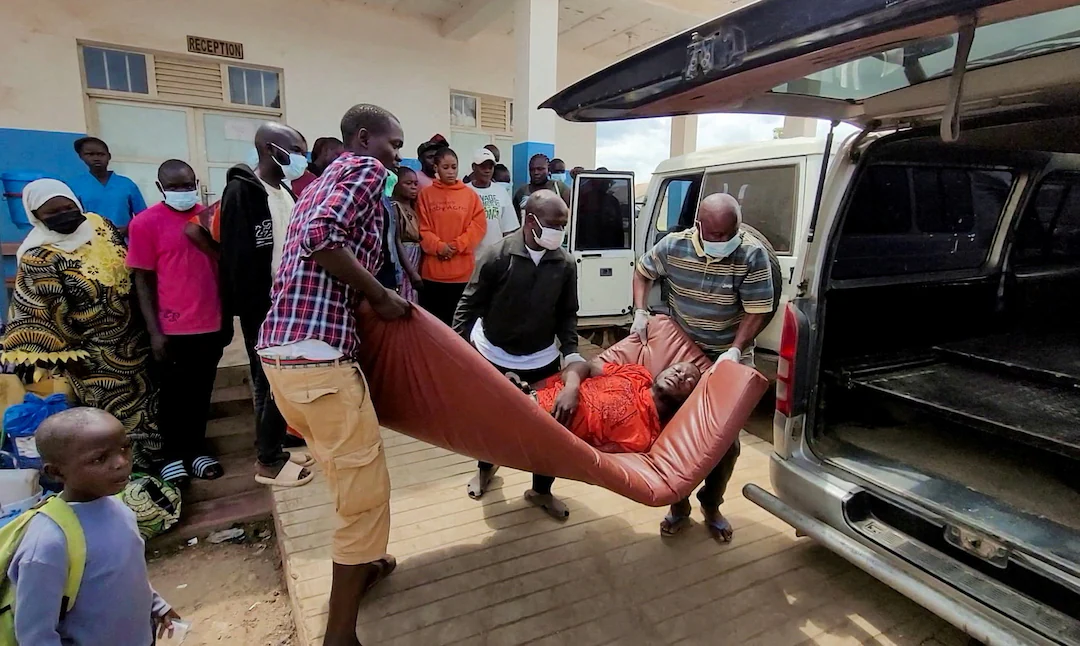
A new Ebola outbreak in the Democratic Republic of Congo (DRC) has been confirmed to be caused by the Bundibugyo virus, a rare species of Ebola that has triggered renewed global concern due to its rapid spread, limited treatment options, and high fatality risk.
Health authorities say the outbreak, centered in eastern DRC’s Ituri Province, has already led to hundreds of suspected infections and dozens of deaths, with cases also reported across nearby regions and cross-border movement into Uganda.

The Bundibugyo virus (Bundibugyo ebolavirus) is one of the less common strains in the Ebola family. It was first identified in 2007 in Uganda’s Bundibugyo District, which gave the virus its name.
Unlike the more widely known Zaire strain; which has caused most Ebola outbreaks in Central Africa, the Bundibugyo variant has appeared only a few times in recorded history, making it less studied and harder to respond to quickly.
Health experts say the current outbreak is particularly worrying for several reasons:
- No approved vaccine or specific treatment currently exists for the Bundibugyo strain
- It spreads through direct contact with infected bodily fluids such as blood, vomit, or other secretions
- Early symptoms often resemble malaria or flu, delaying detection and isolation
- Healthcare workers and caregivers are at high risk due to close contact with patients.
The World Health Organization (WHO) has warned that delays in detection and weak surveillance systems may allow the outbreak to spread further across borders.

Bundibugyo Ebola causes severe viral hemorrhagic fever. Common symptoms include:
- High fever
- Severe weakness
- Vomiting and diarrhea
- Internal and external bleeding in advanced cases
- Organ failure in severe infections
Transmission occurs through direct contact with infected people or contaminated materials, including clothing, needles, and burial practices involving close contact with the deceased.
While considered slightly less deadly than the Zaire strain, Bundibugyo Ebola still carries a fatality rate estimated above 30%, and in some outbreaks has been reported to be significantly higher depending on healthcare response and access to treatment.
Because there are no approved targeted treatments, response efforts are focused on:
- Isolation of infected patients
- Contact tracing
- Protective equipment for health workers
- Safe burial practices
- Emergency experimental vaccine consideration (for related Ebola strains)
The WHO and Africa CDC have deployed emergency teams and described the outbreak as a major public health emergency requiring urgent global coordination.
The Bundibugyo virus outbreak in Congo highlights how new or rare Ebola strains can strain already fragile health systems. While not new to science, its limited history makes it harder to predict, prevent, and contain, raising fears of wider regional spread if response efforts are delayed.