
Judiciary
Why Some People Should Never Keep Cash or Property Documents at Home


By Pelumi Olajengbesi, Esq.
Wealth creation is one thing; wealth preservation is another. Many individuals work tirelessly to accumulate assets through diligence, entrepreneurship, or opportunity but protecting that wealth requires foresight, structure, and professional safeguards.
As a legal practitioner, I’ve seen fortunes built over decades vanish in a single careless moment. One of the most common risks is the storage of cash or sensitive property documents at home—a practice that exposes owners to legal, financial, and security threats.
Who Should Avoid Keeping Assets at Home
Certain categories of individuals face heightened risks:
Politically Exposed Persons (PEPs): Current or former public office holders.
Sanctioned or Previously Convicted Persons: Individuals or entities under regulatory scrutiny.
High-Risk Industry Professionals: Those in extractive industries, government contracting, cross-border trade, or high-cash businesses.
Individuals with Media Exposure: Publicly associated with financial misconduct or allegations.
Executors, Trustees, and Custodians: People managing family estates or inheritance documents.
Public Figures and Influencers: Celebrities or leaders whose visibility attracts security risks.
Faith and NGO Leaders: Those managing donations, tithes, or international grants.
Real Estate Developers: Frequent buyers, sellers, or holders of property documents.
The Risks of Storing Cash and Documents at Home
Keeping assets at home opens individuals to a long list of potential dangers:
Regulatory investigations, law enforcement raids, and search warrants
Asset freezing, forfeiture orders, or tax audits
Fraud, forgery, blackmail, or extortion
Armed robbery, kidnapping, or other personal security threats
Loss due to fire, natural disasters, or accidental disposal
Family, matrimonial, probate, or inheritance disputes
These threats are not hypothetical. In a compliance-driven world, storing valuable documents or large sums of cash at home is no longer a symbol of power, it is a vulnerability.
A Professional Approach to Wealth Security
High-net-worth individuals and institutions often rely on professional custody arrangements, using trusted legal advisers, banks, or regulated custodial institutions. Such structures ensure assets are properly secured, accessible when needed, and legally protected.
In short, preserving wealth is about more than accumulation; it’s about structured protection. For anyone with valuable property, documents, or substantial cash holdings, professional custody isn’t just prudent. It’s essential.
Pelumi Olajengbesi, Esq.
Senior Partner & Group Lead
Family, Succession, and Wealth Management (FSW)
Law Corridor
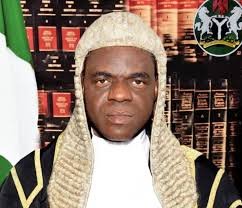
The Federal High Court of Nigeria has confirmed that its Chief Judge, John Tsoho, is cooperating with the Code of Conduct Bureau following his invitation over allegations relating to false assets declaration.
The court disclosed that Justice Tsoho is currently outside Nigeria on medical grounds. However, his legal representative, Kanu Agabi, a former Attorney-General of the Federation and Minister of Justice, has expressed readiness to accompany the Chief Judge to the CCB upon his return to the country.
A statement issued by Dr. Catherine Oby Christopher, Director of Information at the Federal High Court of Nigeria, said the bureau has been notified for scheduling purposes.
According to the statement, any date within the week commencing Monday, March 16, 2026, is convenient for the Chief Judge and his counsel.
The court reiterated that the CCB has been formally informed of the Chief Judge’s willingness to appear and participate in the process in full compliance with constitutional and legal provisions.

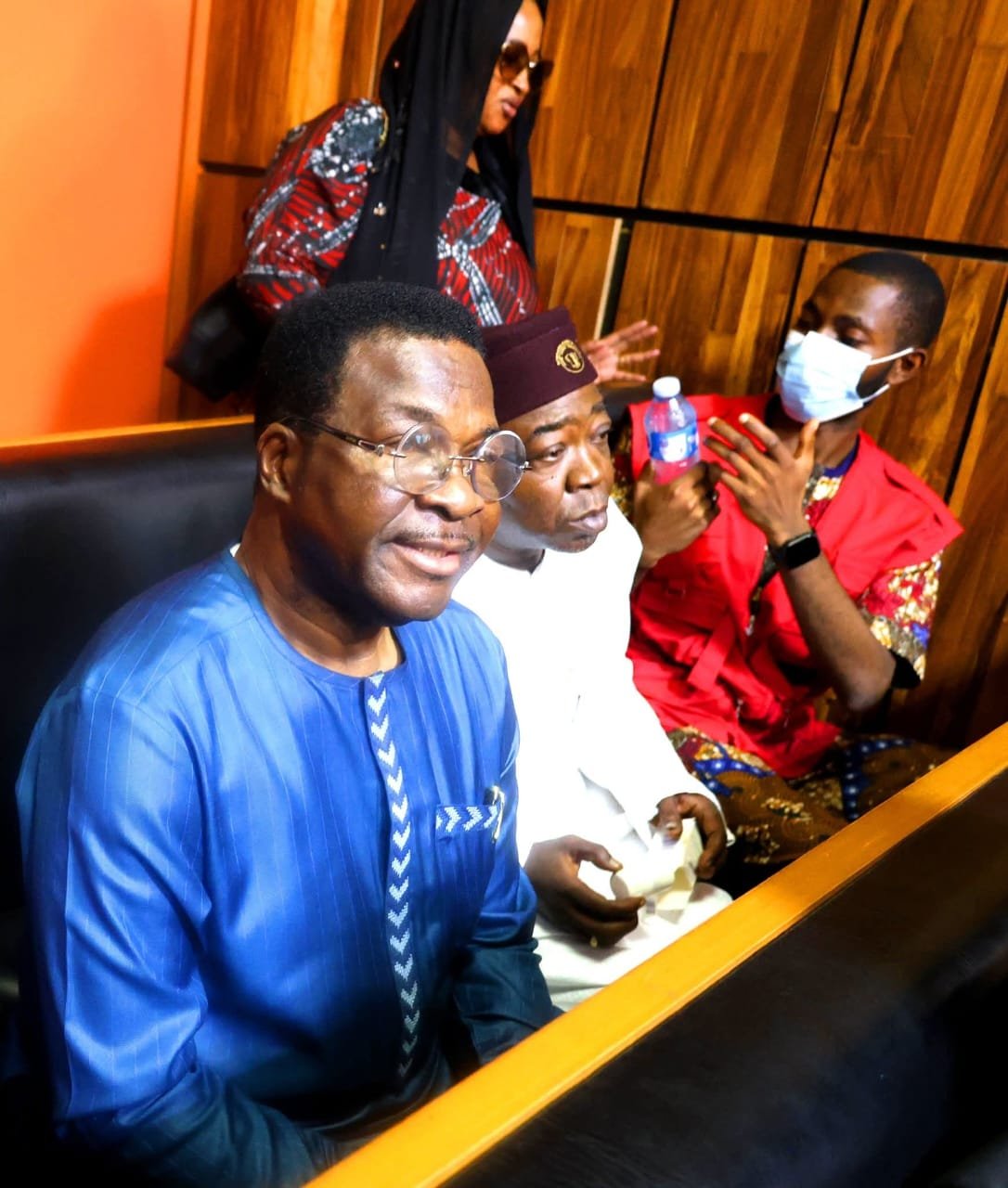
The High Court of the Federal Capital Territory sitting in Maitama has granted bail to prominent constitutional lawyer, Prof. Mike Ozekhome (SAN), and his co-defendant, Ponfa Useni, also known as Mr. Tali Shani.
The court admitted both defendants to bail in the sum of N10 million each, with one surety required to own landed property within the FCT. The court also ordered the defendants to deposit their international passports with the court registrar.
The ruling came shortly after their arraignment on a 12-count charge filed by the office of the Attorney General of the Federation. The prosecution, led by Rotimi Oyedepo (SAN) of the Federal Ministry of Justice, alleged forgery of documents, including an international passport and an irrevocable power of attorney, reportedly linked to a property dispute in London.
Both defendants pleaded not guilty to the charges.
Ozekhome was represented by Chief Tayo Oyetibo (SAN), alongside several Senior Advocates of Nigeria and members of the Bar. Useni was represented by F.R. Onoja (SAN), who led his legal team.
Although the prosecution did not oppose the bail applications, it urged the court to impose conditions that would ensure the defendants’ attendance at trial. Defence counsel, however, requested liberal terms, noting that Ozekhome had previously complied with administrative bail conditions granted by anti-graft agencies.
The court subsequently adjourned the matter to March 13 and April 15 and 16, 2026, for further hearing.
The defendants have since met their bail conditions and were released.
The case has drawn significant public interest, given Ozekhome’s longstanding role in legal advocacy and national discourse on constitutionalism and human rights. Further proceedings are expected in the coming weeks.
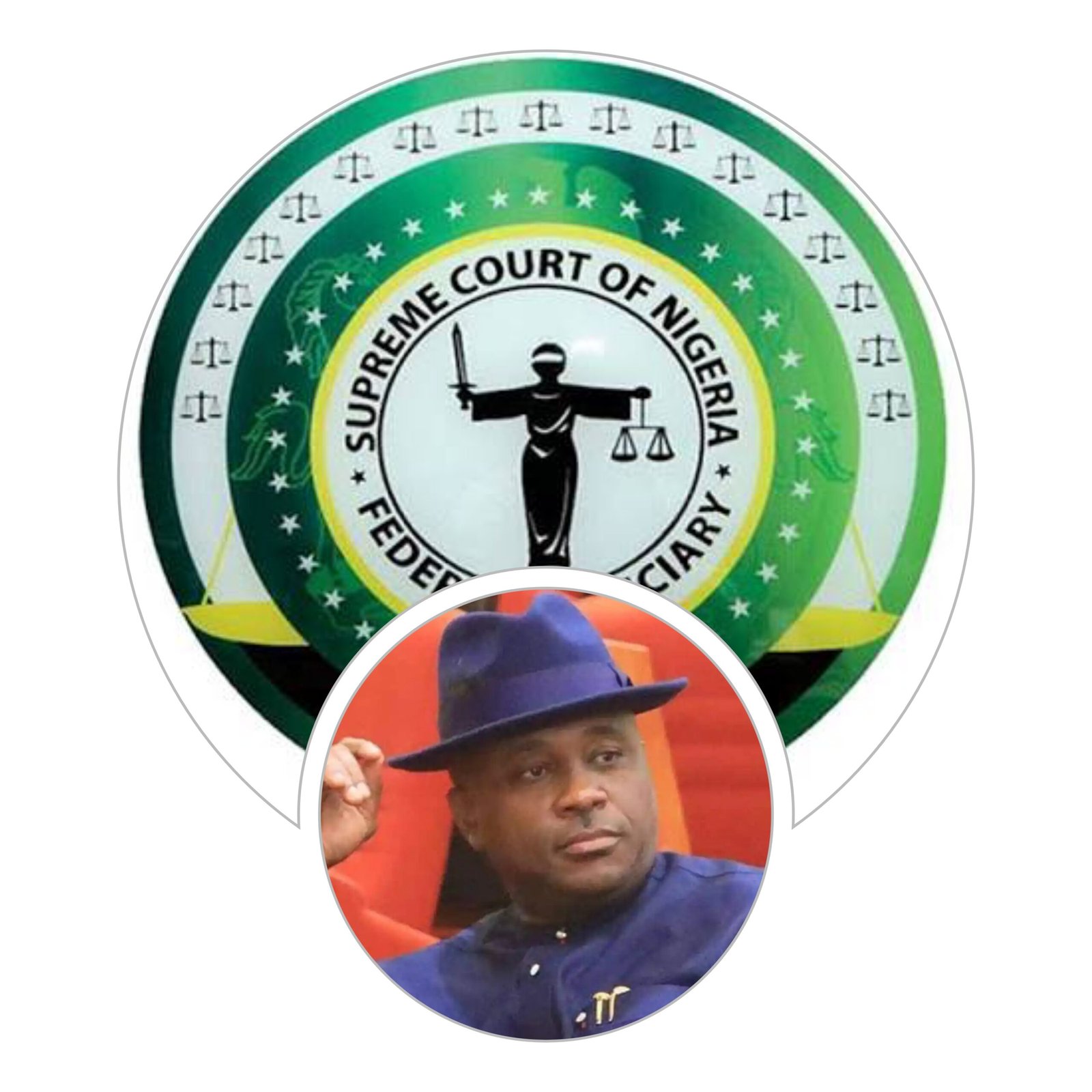
The Supreme Court of Nigeria has affirmed the conviction and seven-year prison sentence of Senator Albert Bassey over a N240 million fraud case, bringing to a close a protracted legal battle.
In a unanimous judgment delivered on February 27, 2026, a five-member panel of the apex court upheld the earlier decisions of the trial court and the Court of Appeal, confirming Bassey’s conviction secured by the Economic and Financial Crimes Commission (EFCC). The court also restored an order directing him to refund N204 million to the Akwa Ibom State Government.
Delivering the lead judgment, Justice Stephen Jonah Adah ruled that while the conviction and sentence imposed on June 23, 2023, were valid, the Court of Appeal erred when it voided the restitution order earlier granted by the trial court.
“The conviction and sentencing imposed by the lower court are hereby affirmed,” Justice Adah held. “However, the order avoiding the restitution granted by the trial court did not follow the law. It is hereby nullified and the restitution of N204 million as ordered by the trial court is restored.”
From Commissioner to Convict
Bassey’s prosecution stemmed from his tenure as Commissioner for Finance in Akwa Ibom State. He was arraigned before Justice Agatha Okeke of the Federal High Court on a seven-count charge bordering on corruption and abuse of office.
The EFCC, led by prosecution counsel Ekele Iheanacho (SAN), accused him of receiving 12 luxury vehicles valued at N254 million as bribes while in office.
On December 1, 2022, the trial court found him guilty on all counts and sentenced him to seven years imprisonment on each count — totalling 42 years. The sentences, however, were to run concurrently.
Appeal and Final Verdict
Dissatisfied with the ruling, Bassey approached the Court of Appeal, where a three-member panel upheld his conviction but introduced an option of fine and set aside the restitution order.
The EFCC challenged aspects of that decision, leading to the final appeal before the Supreme Court.
With Friday’s judgment, the apex court not only affirmed the conviction and seven-year term but also reinstated the N204 million restitution order, effectively ending the legal contest.
Anti-Corruption Signal
Legal analysts say the ruling reinforces the judiciary’s stance against public sector corruption and strengthens accountability in public office.
The EFCC described the verdict as a major affirmation of its anti-corruption mandate and a victory for the rule of law.
With the conviction now conclusively upheld, Bassey is expected to serve his sentence while complying with the court-ordered repayment to the Akwa Ibom State Government.