General News
RENOWNED KENYAN WRITER NGŨGĨ WA THIONG’O PASSES AWAY AT 87


Acclaimed Kenyan writer Ngũgĩ wa Thiong’o has died at the age of 87. His daughter, Wanjiku wa Ngũgĩ, announced his passing on Facebook, writing, “It is with a heavy heart that we announce the passing of our dad, Ngugi wa Thiong’o, this Wednesday morning. He lived a full life, fought a good fight.”
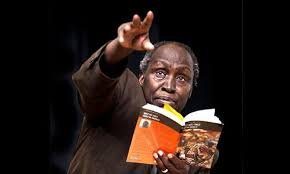
Ngũgĩ wa Thiong’o was a celebrated author, playwright, and academic known for exploring the troubled legacy of colonialism in his works. Born in 1938 while Kenya was under British colonial rule, Ngũgĩ was one of 28 children born to a father with four wives. His experiences during the Mau Mau uprising, which saw tens of thousands of people imprisoned, abused, and tortured, heavily influenced his writing.
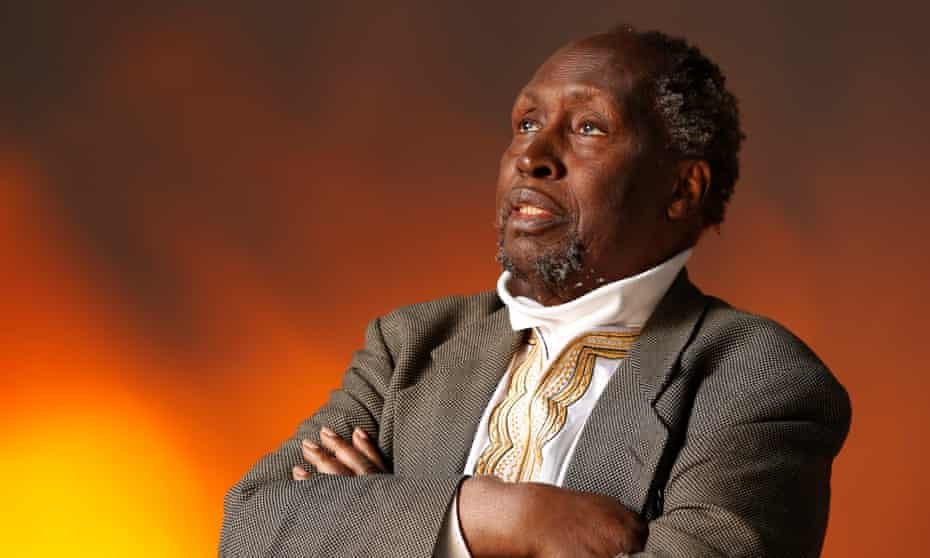
One of his most notable works is the novel “Weep Not, Child,” published in 1964, just a year after Kenya gained independence. The book tells the story of Njoroge, the first in his family to attend school, and how his life is affected by the turmoil surrounding him. Ngũgĩ’s writing often dealt with themes of resistance, identity, and social justice.
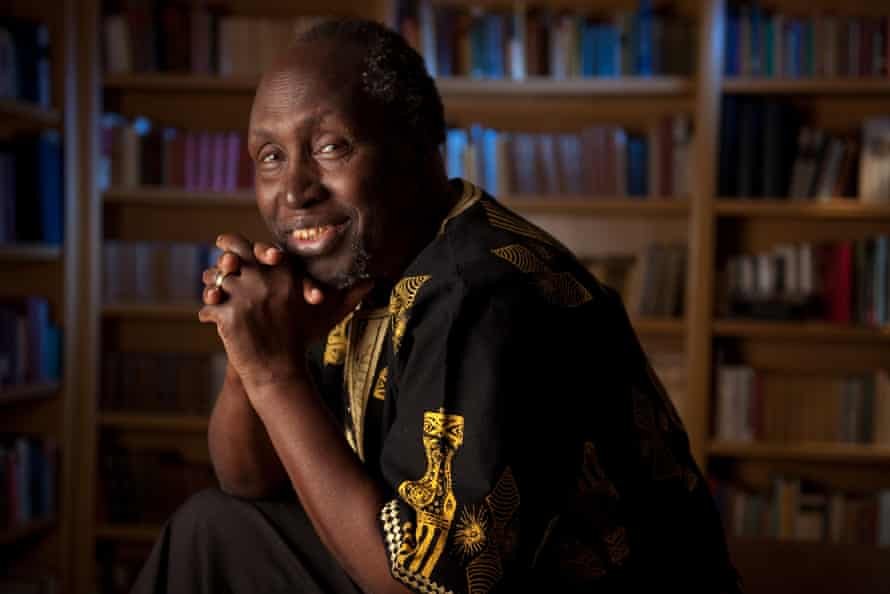
As a lecturer at Nairobi University, Ngũgĩ advocated for a shift in focus towards African literature, questioning why African literature couldn’t be at the center of studies. His activism and writing led to his arrest and imprisonment in 1977 for co-authoring a play written in Gikuyu, “I Will Marry When I Want.” This experience led him to decide to write in his native language, Gikuyu, from then on.
Ngũgĩ’s son, Mukoma Wa Ngũgĩ, paid tribute to his father, saying, “I am me because of him in so many ways, as his child, scholar, and writer. I love him – I am not sure what tomorrow will bring without him here. I think that is all I have to say for now.”
Throughout his life, Ngũgĩ received numerous accolades and nominations, including being a perennial contender for the Nobel Prize in Literature. He was also nominated for the International Booker Prize in 2021 for his novel-in-verse, “The Perfect Nine,” making him the first author to be nominated for their own translation.
Ngũgĩ’s legacy extends beyond his writing. He leaves behind nine children, four of whom are authors: Tee Ngũgĩ, Mũkoma wa Ngũgĩ, Nducu wa Ngũgĩ, and Wanjiku wa Ngũgĩ. His daughter’s post hints at the profound impact he had on those who knew him, and his body of work will undoubtedly continue to inspire future generations.
“Resistance is the best way of keeping alive,” Ngũgĩ said in an interview with the Guardian in 2018. “It can take even the smallest form of saying no to injustice. If you really think you’re right, you stick to your beliefs, and they help you to survive.”