
General News
Macron Warns Iran Over Escalation, Calls for Peace and Nuclear Restraint

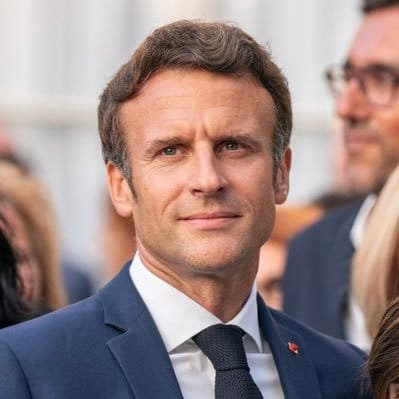
French President Emmanuel Macron has called on Iran to immediately halt what he described as “unacceptable attacks” across the Middle East during a phone conversation with Iranian President Masoud Pezeshkian.
In a statement released on Sunday, Macron said he urged the Iranian leader to end actions carried out directly or through proxy groups in the region, particularly in Lebanon and Iraq.
The French president stressed that France’s actions in the region are strictly defensive and aimed at protecting its national interests, regional partners, and freedom of navigation.
“It is unacceptable for our country to be targeted,” Macron said, warning that the current escalation could plunge the region into deeper instability.
According to the French leader, the ongoing tensions are creating chaos with potentially long-term consequences for the Middle East, adding that ordinary people in Iran and across the region are already paying the price of the crisis.
Macron said lasting peace would require the creation of a new political and security framework that ensures Iran never acquires nuclear weapons while also addressing concerns about its ballistic missile programme and regional activities.
He also emphasized the need to restore freedom of navigation in the strategic Strait of Hormuz as soon as possible. The waterway is one of the world’s most critical routes for global oil shipments.
During the call, Macron also pressed for the release of two French citizens, Cécile Kohler and Jacques Paris, who are currently detained in Iran.
The French president said their continued detention has lasted far too long and urged Tehran to allow them to return safely to France.
The conversation comes amid rising tensions in the Middle East, with concerns growing over regional security, nuclear proliferation, and maritime safety in the Gulf.