General News
Transport Experts Call for Integrated System to Address Nigeria’s Mobility Crisis

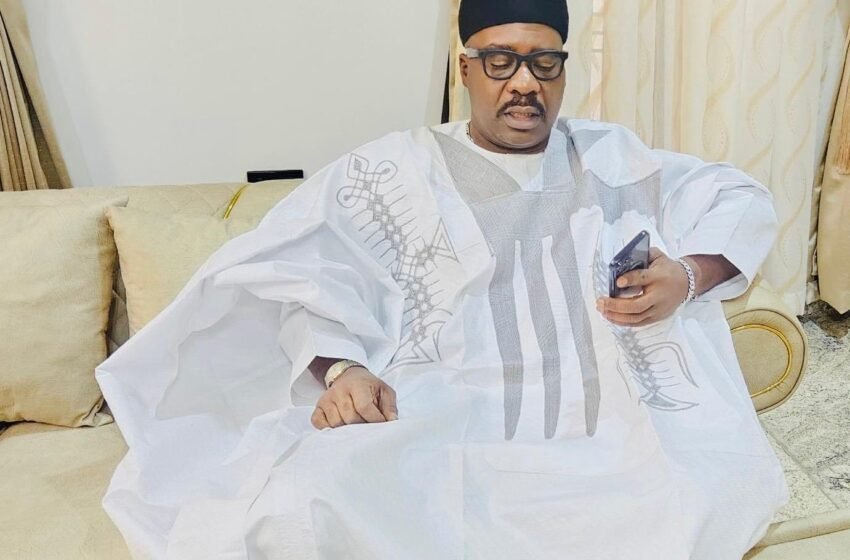
Transportation experts have called for the urgent integration of Nigeria’s road, rail, air and water transport systems to tackle the country’s growing mobility challenges and rising transportation costs.
A transport scholar at the University of Greenwich, London, Dr. El-Taofik Yusuf, said Nigeria’s transportation crisis requires coordinated and sustainable reforms driven by government, private sector players and other stakeholders.
Speaking on the theme, “Connecting Cities Through an Integrated Multimodal Transport System,” Yusuf stressed that an effective multimodal system would improve mobility, lower transportation costs and boost national productivity.
According to him, government must prioritise large-scale investment in transportation infrastructure, including the expansion of rail networks, rehabilitation of major highways, modernization of ports and improvement of urban transit systems.
He noted that such investments would provide safer, more affordable and reliable alternatives for Nigerians travelling across cities and regions.
Yusuf also urged the government to consider targeted subsidies for critical transport sectors during periods of economic hardship to cushion the impact of rising transportation costs on citizens and businesses.
On the role of the private sector, he advocated stronger competition in the aviation industry and greater support for ride-sharing and carpooling initiatives as ways of reducing transport expenses.
He further encouraged investment in alternative energy solutions such as electric vehicles and sustainable aviation fuels to reduce Nigeria’s dependence on imported petroleum products and promote environmental sustainability.
The transport expert emphasized the need for collaboration among government agencies, private organisations, academic institutions and community groups in designing transport policies that are inclusive, efficient and environmentally responsible.
While acknowledging the resilience of Nigerians in adapting to economic realities, Yusuf warned that the increasing cost of transportation could worsen socioeconomic inequality and hinder national development if long-term reforms are not implemented.
He also urged the current administration to adopt a framework based on accountability, speed, precision and continuous monitoring in the execution of transport projects nationwide.
“When we fix the transport system, we improve productivity. When we improve productivity, we unlock Nigeria’s economic potential,” he said.