
International
US trade court rules against Trump’s 10% global tariff, raising legal uncertainty over trade policy

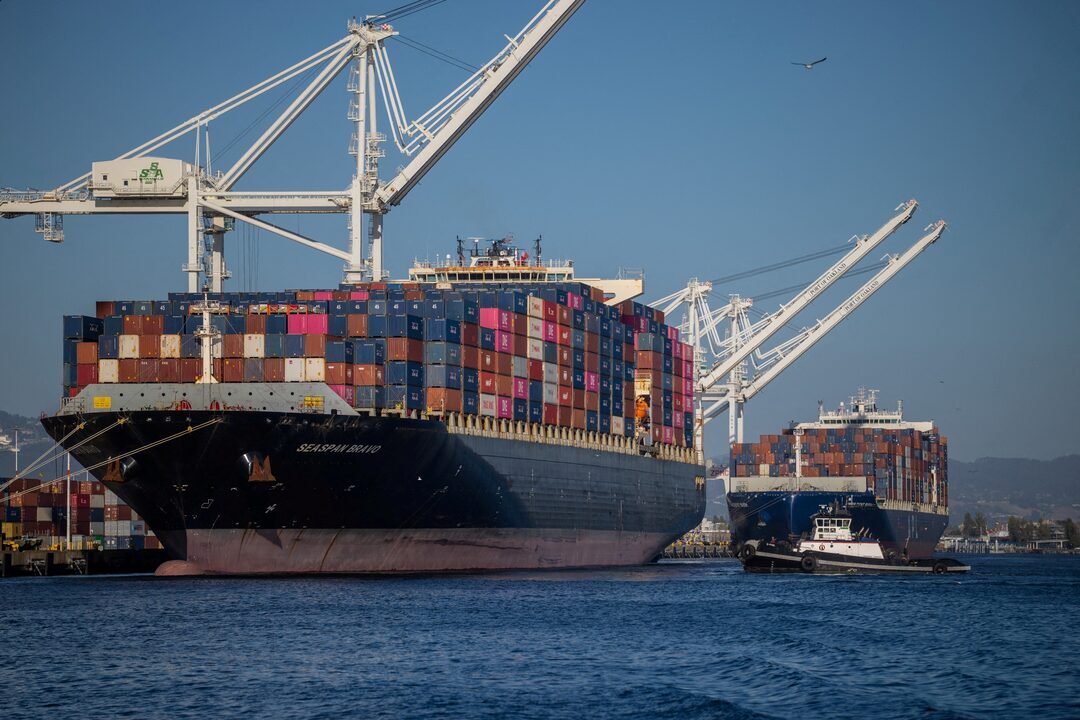
A U.S. trade court has ruled against President Donald Trump’s 10% global tariff, finding that the measure lacks proper legal grounding and cannot be sustained under the emergency authority used to justify it, according to court filings and multiple legal reports.
The ruling from the U.S. Court of International Trade adds to ongoing legal challenges surrounding Trump’s broad tariff strategy, which imposed a baseline 10% duty on most imports as part of his global trade reset. The court determined that the executive action exceeded statutory limits and improperly relied on emergency trade provisions not intended for long-term or broad-based tariff policy.
The tariff, introduced earlier this year, had already faced separate lawsuits from several U.S. states and small businesses arguing that it distorted trade flows, increased costs for consumers, and bypassed Congress’s constitutional authority over taxation and trade regulation.
Legal analysts say the ruling could force the administration to suspend or revise parts of the tariff regime, potentially triggering refund claims for importers if collections are rolled back. Similar earlier court decisions have also questioned the legality of using emergency powers to impose sweeping global trade duties.
The case now adds fresh uncertainty to U.S. trade policy, especially as markets continue to react to shifting tariff announcements and ongoing appeals. While the administration may seek to overturn the decision, the ruling marks another setback in Trump’s effort to maintain broad executive control over import taxation.
Economists warn that prolonged legal battles could further destabilize global supply chains and create unpredictability for exporters and importers already adjusting to fluctuating tariff regimes.