
Opinion
WHEN INCREASE IN ELECTRICITY TARIFFS BECOME A THREAT TO MSMEs AND OTHER ECONOMIC GROWTH

By AVM RTD AKUGBE IYAMU MNSA fsi
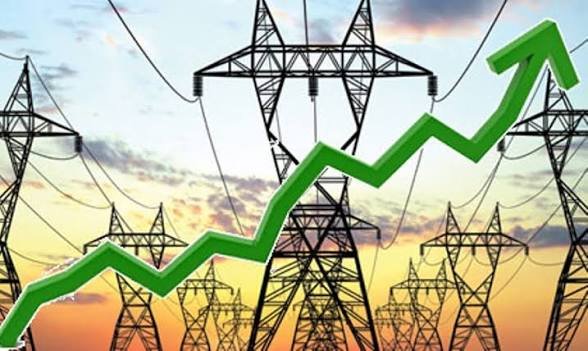
The concern of the new minister should be how to find ways of improving our electricity generation and distribution systems and not how to increase tariffs on the already traumatized population who are barely able to afford the basic things that other take for granted in other climes.
Uruguay have become a model for how to fix electricity challenges in less than a decade. The relatable matrix is for you to increase electricity penetration and the tariff will automatically adjust itself.
In that way, you have more MSMEs springing up and dead ones revived. Additionally, manageable electricity bill is the beginning of industrial development, reduce inflation, hunger, insecurity and poverty because higher utility bills reduce the money available for other household expenses, forcing consumers to cut back on energy use or other essential services.
The most concerning is that Nigeria is now one of the countries with the highest electricity tariffs in Africa, particularly with recent >300% increases for Band A users that significantly raising production costs, fueling inflation, and straining disposable income.
While intended to attract investment and reduce subsidies, these hikes are forcing companies to reduce capacity and creating inflationary pressure on consumer goods.
I heard from the news of the minister’s consideration to increase tariffs in Band A to subsidize the almost non existing Band B-E without considering the devastating consequences on Small and Medium Enterprises which are already struggling with the higher operational costs, threatening their survival and job creation efforts.
The current 300% High costs of electricity is severely impacting manufacturers and businesses, leading to increased operational costs and reliance on alternative power sources. My first question remains how will this new efforts to further increase the Band A from the excruciating 300% save the over 17 million SMEs that have collapsed since 2023.
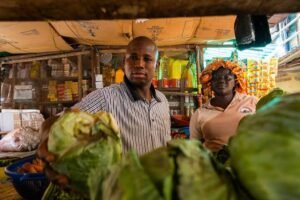
With the high rates that specifically target Band A users (promised 20+ hours of power), the minister need to understand that 96% of business enterprises in Nigeria are MSMEs who are mostly dominated by poor citizens and domiciled in the band A area.
Let us understand what electricity tariffs are: An electricity tariff is the rate or price structure charged to consumers for using electrical energy, covering production, transmission, and distribution costs. It defines how a power company calculates a bill, typically based on consumption amount, time of use, or consumer type.
As of May 2026, Nigeria’s electricity sector is navigating high tariffs, particularly for “Band A” consumers, who face rates around ₦200 – ₦240 per kWh, a significant jump from early 2024 levels (previously N68/kWh). These 300% hikes intended to boost sector revenue, but users still struggle with unreliable supply. Tariff Structure (2026):
Band A: ~₦200 – ₦240 per kWh.
Band B: ~₦160 – ₦190 per kWh.
Band C: ~₦130 – ₦150 per kWh.
Bands D & E: ~₦100 – ₦125 per kWh.
Despite the cost-reflective tariffs, many, including high-paying consumers, report inadequate power supply and broken promises of 20+ hours of service. Increase tariff rates is not what the citizens need but immediate policies to provide safety net to cushion the current situation of economic crisis.
This is the time the benefits of of the fuel subsidy need to be deployed to cushion the hardship of the people as millions grappled with daily living.
The government need to subsidize electricity, food, essential commodities since there is a direct correlation between elevated electricity prices and rising cost of living.
According to Taylon Edwards: right actions in the future are the best apologies for bad actions in the past.
AVM RTD AKUGBE IYAMU MNSA fsi
PRESIDENT ASSOCIATION OF ENVIRONMENTAL PROTECTION AND CLIMATE CHANGE PRACTITIONERS
CONSULTANT ON CLIMATE CHANGE AND ANALYST ON ENVIRONMENTAL POLICIES.
WARNING!!!!!
No part of this publication can be reproduced, transmitted through any means without permission from the author.